
The environmental impact of diamond mining extends far beyond the extraction sites, shaping landscapes and affecting ecosystems across remote regions. Often located in areas inhabited by indigenous communities, these operations intertwine environmental degradation with social challenges, making the issue multifaceted and urgent. From soil erosion to deforestation, the process of mining diamonds disrupts biodiversity and threatens the delicate balance of nature, while also raising pressing questions about sustainable resource management in 2025.
In brief:
- The environmental costs of diamond mining include habitat destruction, soil degradation, and water pollution.
- Mining activities frequently occur in ecologically sensitive and indigenous areas, intensifying social and environmental impacts.
- Traditional diamond mining does not rely on chemicals but causes substantial physical alterations to landscapes.
- Innovations such as lab-grown diamonds offer promising alternatives to mitigate these environmental burdens.
- Ethical sourcing and transparency in the diamond supply chain have become critical for reducing ecological damage.
The multifaceted environmental challenges posed by diamond mining
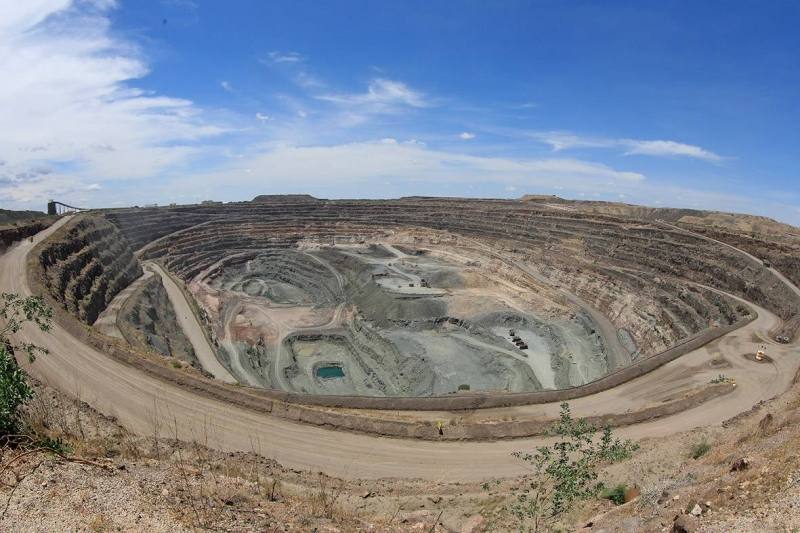
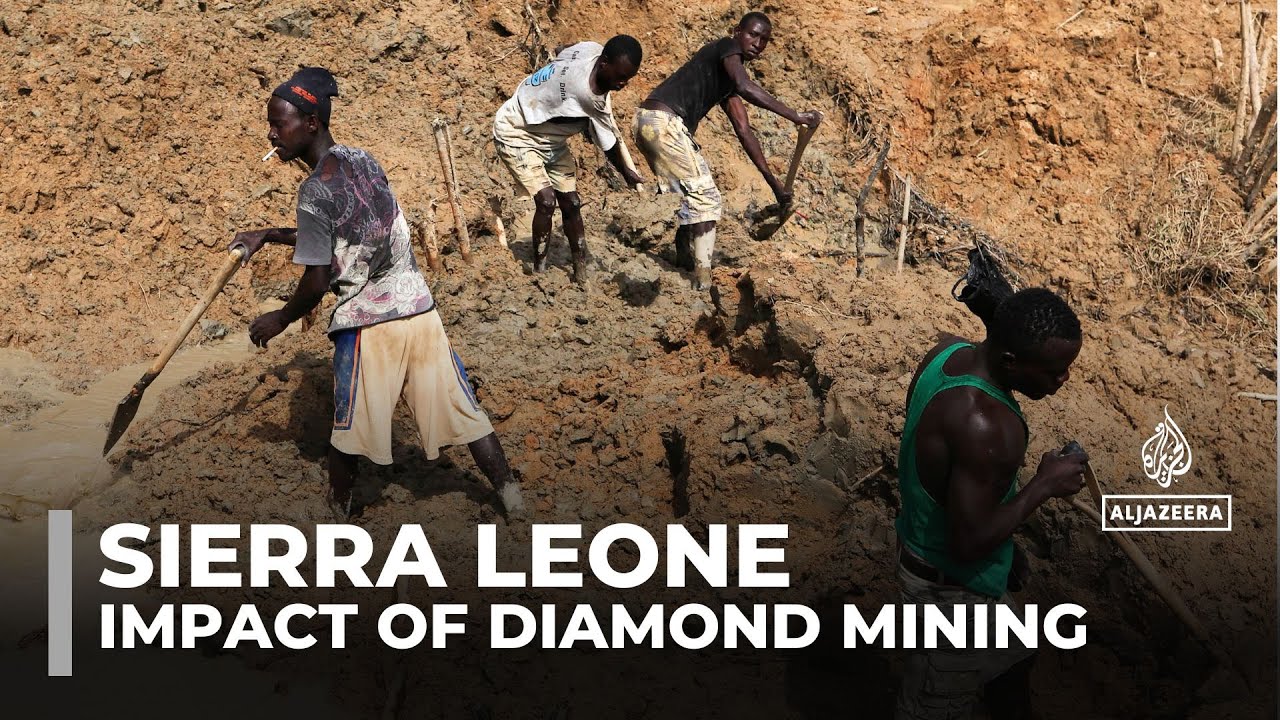
Diamond mining is characterized by significant disturbances to natural environments. Unlike extractive industries that rely on chemical processing, diamond extraction primarily involves mechanical disruption of terrain. These methods produce extensive soil erosion and deforestation, leading to habitat fragmentation and threats to biodiversity. Particularly concerning is open-pit mining, which leaves large scars on the earth’s surface and generates vast amounts of waste rock that may compromise soil and water quality over time.
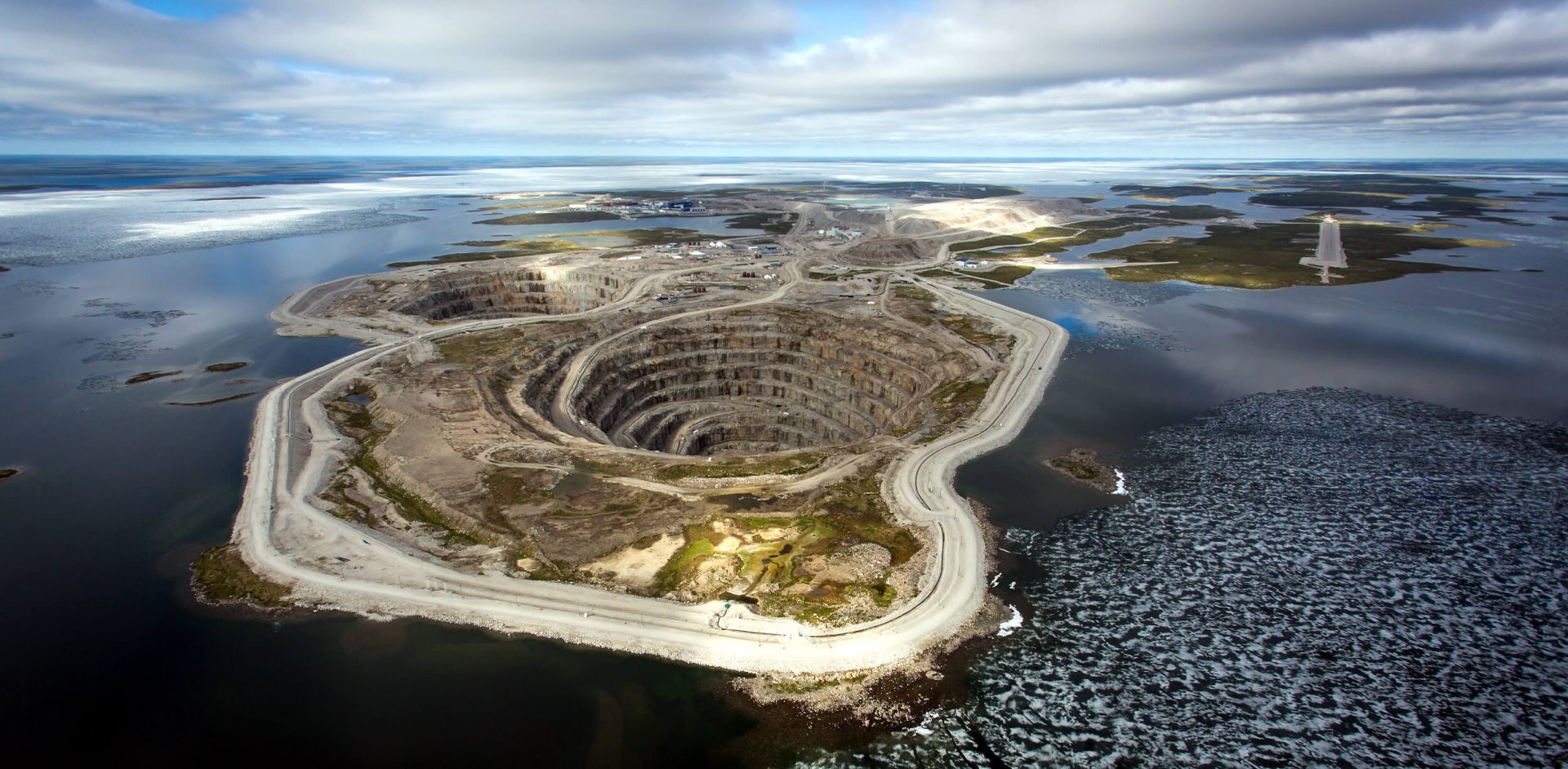
Moreover, many mines operate in remote areas inhabited by indigenous populations whose livelihoods depend on the natural environment. The displacement and disruption caused by mining strike at cultural practices and economic foundations. These social factors compound the environmental challenges, requiring holistic approaches in governance and community involvement. Ensuring ethical sourcing and traceability in diamond production now includes accounting for these human dimensions, as highlighted in discussions on ethical sourcing diamonds.
Short- and long-term ecological consequences of mining operations
Immediate impacts of diamond mining involve clearing vegetation and topsoil, which alters water runoff patterns and diminishes soil fertility. This degradation can extend well beyond the mining footprint, affecting adjacent agricultural land and aquifers. Over time, ecosystems face challenges in recovery due to altered soil composition and the introduction of erosion-prone surfaces. Hydrological disruptions caused by the removal of vegetation increase the risks of flooding and sedimentation in local waterways, further harming aquatic habitats.
The interplay of these issues is evident in regions where diamond extraction has historically been intense. Environmental monitoring and modeling efforts now focus on forecasting these impacts using predictive tools such as the Diamond Environmental Impacts Estimation (DEIE) model. Such tools support informed decision-making for mine management and rehabilitation strategies.
Mining processes and their environmental footprint
Diamond mining involves four primary extraction methods—open-pit, alluvial, kimberlite pipe, and marine mining—each with distinct environmental footprints. Open-pit mining tends to cause the greatest surface disturbance, while alluvial mining affects river systems through sediment displacement. Kimberlite pipe mining, which often requires drilling and blasting, can lead to noise pollution and chemical contamination from explosives.
Notably, diamond mining operations do not utilize toxic chemicals like cyanide or mercury, unlike gold mining, which reduces chemical pollution risks. However, the mechanical nature of diamond mining contributes substantially to habitat destruction and soil erosion. Addressing these impacts is central to evolving standards for mining practices.
Lab-grown diamonds: a sustainable alternative on the rise
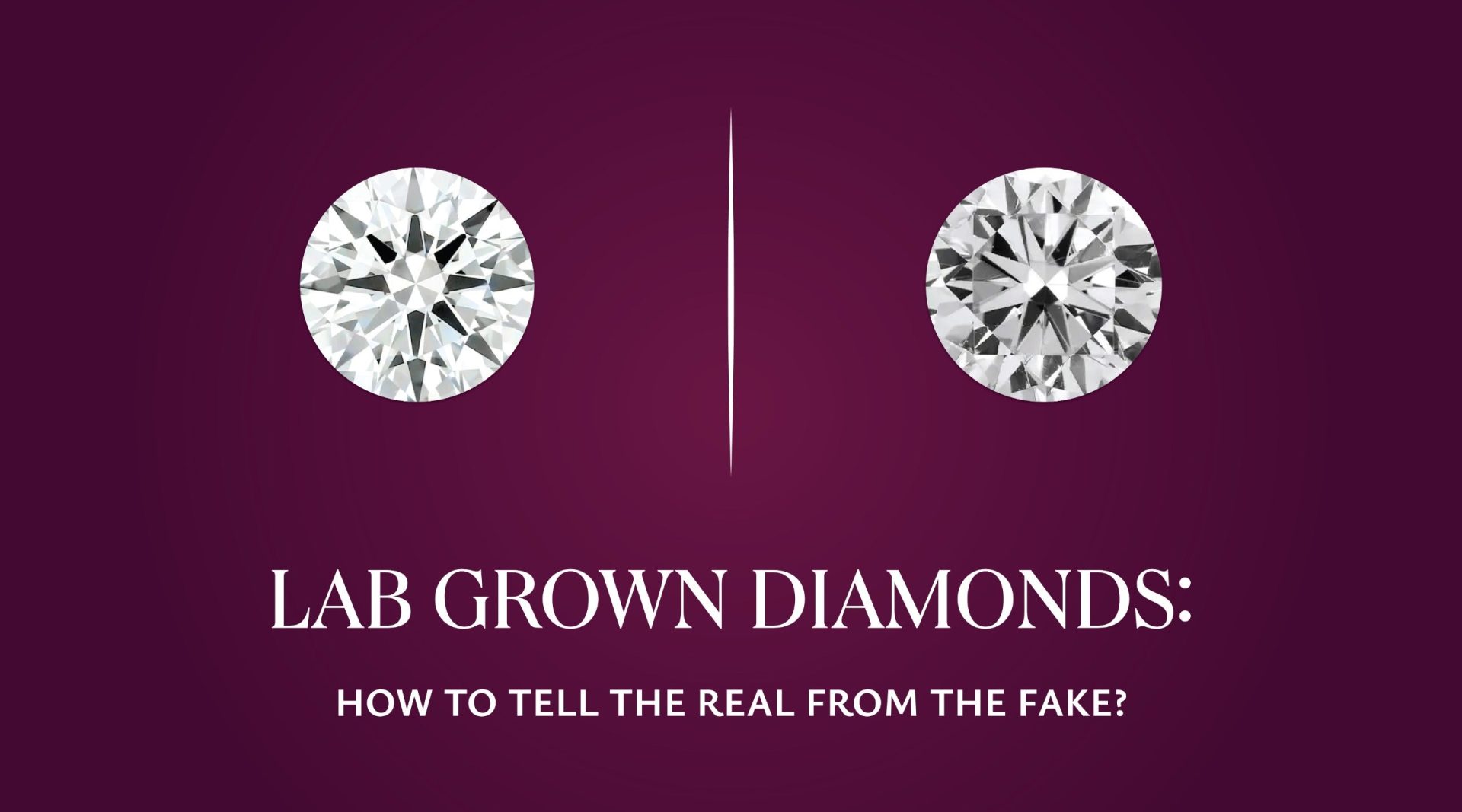
The growing market for lab-grown diamonds offers an eco-friendlier alternative to traditional mining. These diamonds require considerably less land disturbance and eliminate many of the adverse environmental effects associated with mining. The controlled laboratory environment also ensures reduced water usage and energy efficiency, which aligns with broader strategies for sustainability in the jewelry industry.
As consumer awareness increases, demand for responsibly sourced or synthetic diamonds grows, shifting market dynamics. The integration of these diamonds into jewelry, guided by insights from choosing the perfect diamond ring, shows the potential for combining aesthetic value with environmental responsibility.
Enhancing transparency and sustainable practices in the diamond supply chain
Advances in traceability and certification processes have made it easier to track diamonds from mine to market. This transparency aids in verifying ethical sourcing, minimizing conflict diamonds, and ensuring environmental compliance. Efforts to reduce the ecological footprint of mining include rehabilitation of mined lands, better waste management, and community engagement initiatives.
Furthermore, educating consumers on diamond characteristics, including diamond grading 4Cs and diamond clarity value, ties into broader awareness on the implications behind each gemstone. This knowledge empowers buyers to make informed decisions that prioritize ecological and social values.