Selecting a diamond engagement ring in 2025 demands a multifaceted approach that blends tradition with modern preferences and technical insight. The symbolism of a diamond extends far beyond aesthetics—it’s a tangible expression of love, commitment, and individual style. Today’s couples face a wider array of choices than ever before, from classic diamond cuts to unconventional stones, challenging them to balance quality, ethical sourcing, and personal authenticity.
Understanding the core qualities of diamonds—commonly summarized as the 4Cs (cut, color, clarity, and carat)—serves as a technical foundation for making an informed decision. However, the process now transcends purely evaluating these attributes. Lifestyle considerations, such as durability and maintenance, play a crucial role, ensuring the ring complements daily wear without compromising comfort or longevity. Meanwhile, the rise of lab-grown diamonds and alternative gemstones offers ethically mindful and financially strategic options, reshaping the traditional market landscape.
Beyond the gem itself, the choice of metal band and ring setting profoundly influences the ring’s appearance and functional resilience. Additionally, partnering with a jeweler for a custom design can tailor the piece to uniquely reflect individual narratives, blending vintage allure with contemporary trends. In the following sections, detailed guidelines and expert insights will elucidate each factor, equipping you to select a ring that is not only visually stunning but deeply meaningful and enduring.
- Master the 4Cs to ensure quality and brilliance in the diamond you choose.
- Balance size and wearability by considering daily lifestyle and comfort.
- Explore ethical sourcing and alternatives such as lab-grown diamonds and colored gemstones.
- Focus on durable ring settings and bands to protect your valuable stone.
- Consider custom designs to create a truly unique engagement ring.
Mastering the Fundamentals: Understanding the 4Cs of Diamonds
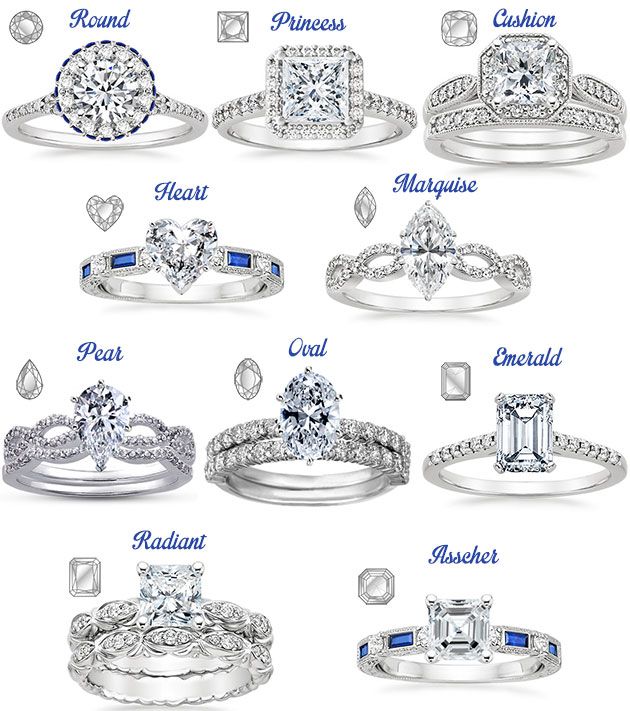
Every aspiring purchaser should first acquaint themselves with the 4Cs—cut, color, clarity, and carat weight—as they represent the technical criteria directly impacting a diamond’s brilliance and value. Cut determines how well the diamond reflects light, significantly influencing its sparkle and fire. Common cuts include round brilliant, princess, emerald, and rose cut, each offering distinct visual experiences. Exploring the best diamond cuts and shapes can guide buyers to select the style that maximizes visual impact while matching personal tastes.
Color varies from colorless to slight tints, with near-colorless stones maintaining high visual purity. The interaction between band metal and diamond color also matters: for instance, yellow gold bands may reflect hues that alter a diamond’s perceived color. Meanwhile, clarity assesses the presence of inclusions and blemishes that can affect transparency and brilliance. Finally, carat weight measures size but should be balanced with quality for an impressive yet practical choice. Skilled jewelers can help weigh these factors to suit your budget and aesthetic goals.
Integrating Lifestyle Considerations for Practical Wear
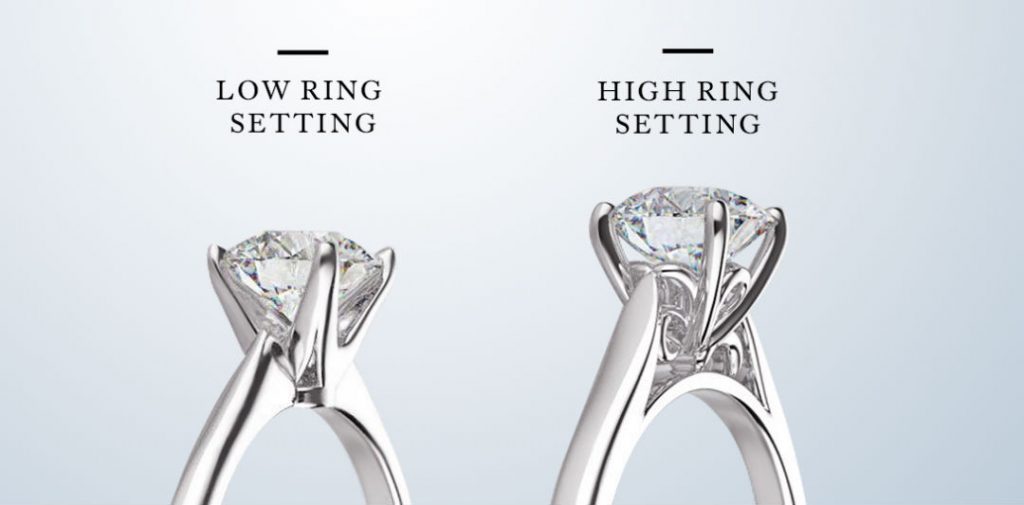
While the intrinsic qualities of a diamond are paramount, ring design must also accommodate the wearer’s lifestyle. If a partner leads an active or hands-on life, opting for a setting that guards the diamond from damage is essential. Settings such as bezels provide protective encasements, decreasing the risk of snags or stone loss. Conversely, high-profile prong settings, though classic, may catch on fabrics or objects, requiring extra care.
Similarly, the choice of household metals contributes directly to ring maintenance and durability. Platinum and higher karat golds offer superior hardness and resistance to scratches compared to softer metals like silver. According to industry experts, the minimal band thickness should be around 1.8 to 2 millimeters to prevent bending or breakage, ensuring long-term wearability. Avoiding fragile designs and materials balances elegance with everyday practicality.
Exploring Beyond Diamonds: Colored Gemstones and Ethical Sourcing
In 2025, engagement rings are no longer solely diamond-centric. Historically, colored gemstones such as sapphires, emeralds, and rubies were preferred for their rich hues and stories. These stones now offer vibrant, personalized alternatives that embody meaning and character. For example, alexandrite exhibits a fascinating color-change property, shifting from greenish-blue in daylight to purple under incandescent light, providing a dynamic, conversation-starting centerpiece.
Choosing a non-diamond center stone requires awareness of gemstone hardness and durability. Emeralds, while stunning, are softer and prone to chipping, making green sapphires from Australia a more resilient choice. For a comprehensive understanding of the symbolic and physical attributes of various gemstones, consulting a diamond and gemstone symbolism guide offers valuable context for a meaningful selection.
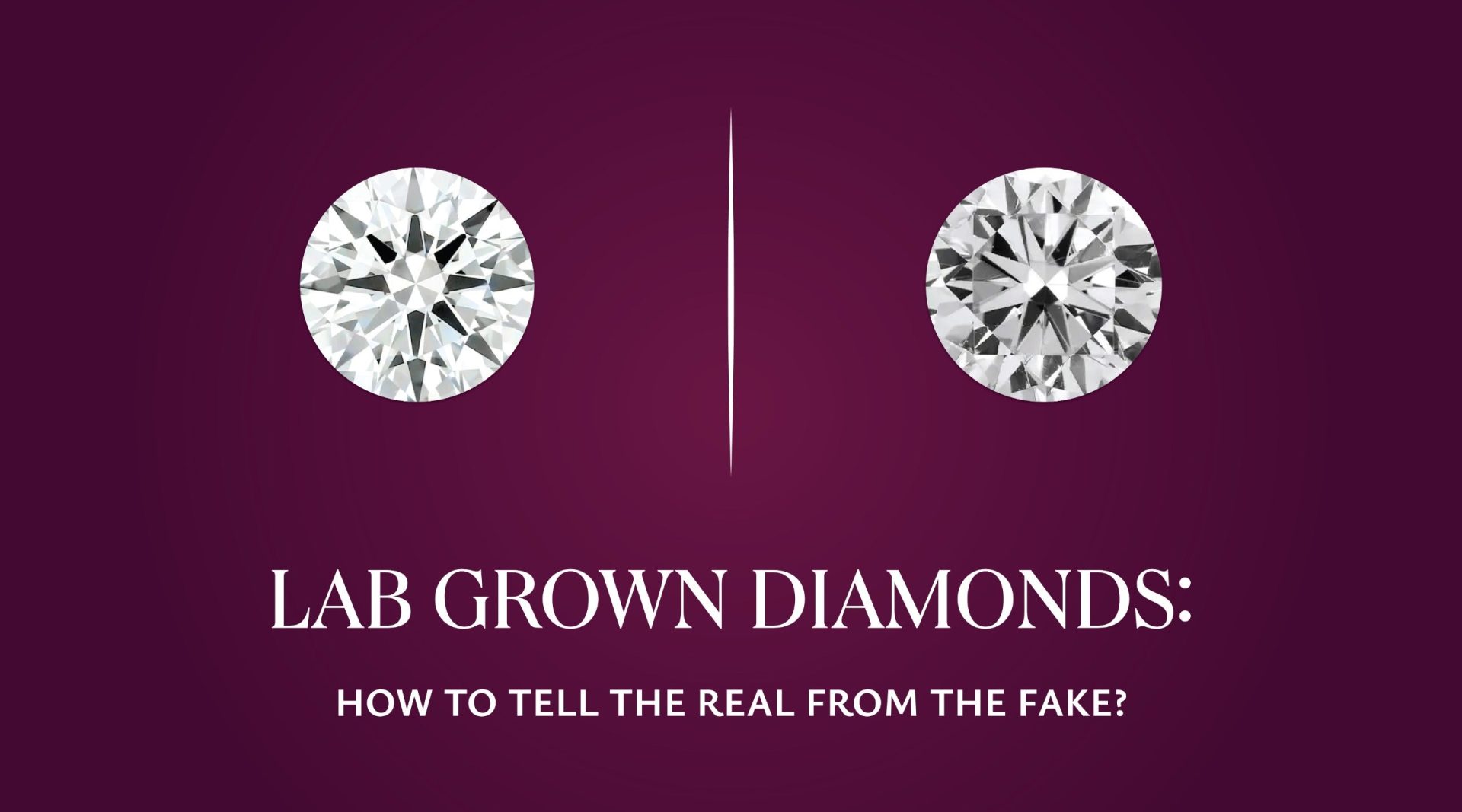
Ethical sourcing continues to gain prominence, prompting a growing number of couples to prioritize sustainability. Whether opting for natural diamonds or lab-grown alternatives, verifying the origin and mining practices of your ring’s stones is paramount. This ensures alignment with environmental and social responsibility standards, moving beyond aesthetics to embrace conscientious luxury. To learn more about sourcing practices, the resource on ethical diamond sourcing is an essential reference in today’s market.
Customizing Your Engagement Ring: Crafting Individuality and Meaning
Choosing a custom engagement ring has become increasingly popular, reflecting a desire for exclusivity and deeper narrative connections. Working directly with a skilled jeweler allows couples to collaborate on materials, stone selection, and design elements, marrying vintage and modern aesthetics. Custom rings often incorporate unique cuts, such as the rose cut, and may even eschew diamonds entirely for distinctive colored stones.
The custom creation process typically spans six to eight weeks, driven by the challenge of sourcing the ideal stone. Contrary to misconceptions, this timeline ensures meticulous craftsmanship without unnecessary delays. When pursuing customization, keeping wedding band compatibility in mind is prudent, as traditional sets involve both an engagement ring and a simpler matching band. This holistic perspective ensures cohesion and balanced wear across both rings.
Buying with Confidence: Practical Tips for a Secure and Happy Purchase
Before finalizing the purchase, it’s crucial to obtain accurate ring sizing, ideally with assistance from a trusted confidant to maintain surprise and discretion. Guesswork can spoil the proposal moment if the ring doesn’t fit perfectly. Additionally, understanding the jeweler’s return and exchange policies safeguards your investment, ensuring options for adjustment if the initial choice doesn’t fully satisfy your partner’s taste.
Ring insurance is another vital consideration for protection against loss, theft, or damage. This practical step ensures financial peace of mind, covering repairs or replacements without undue burden. While the allure of large carat sizes often captivates attention, buyers should prioritize a harmonious balance between size, quality, and wearability, recognizing that lab-grown diamonds offer an ethical and cost-efficient alternative compatible with these goals.
Finally, bringing along someone knowledgeable about your partner’s preferences can provide invaluable insights and reassurance during the purchase. Their perspective often aligns with your partner’s desires, reducing risks of error and heightening satisfaction.