As the diamond market evolves in 2025, the proliferation of counterfeit gemstones demands an informed approach to purchasing and authenticating these precious stones. Diamonds are prized not only for their brilliance and rarity but also as significant investments, intertwining allure with high economic stakes. Understanding how to identify genuine diamonds and avoid scams is critical, especially when many fakes are crafted to deceive even seasoned buyers.
From household tests leveraging basic physical properties to cutting-edge authentication technologies, the strategies for discerning real diamonds from imitations are diverse yet precise. This detailed exploration equips readers with essential knowledge on visual cues, simple at-home examinations, and when to seek professional and technological verification. Safeguarding your investment starts with mastering the identifying features of authentic diamonds and recognizing the red flags of counterfeits.
How to Spot Diamond Scams and Differentiate Real Stones from Fakes
Diamonds, formed under extreme pressure and heat deep within Earth’s mantle, possess unique structural and optical properties. These form the scientific basis for many effective tests designed to validate authenticity. While no single home method confirms genuineness with absolute certainty, combining visual inspection with a few simple experiments can effectively unveil common impostors such as cubic zirconia and glass.
One of the quickest assessments is the Fog Test: by breathing onto the stone, a real diamond’s rapid heat dispersion causes any fog to vanish almost instantly, whereas fakes retain moisture longer. Complementing this test are the Water Test—where real diamonds sink promptly due to high density—and the Read-Through Test, which relies on a diamond’s exceptional light refraction that obscures printed text beneath it.

Visual Indicators and Setting Examination
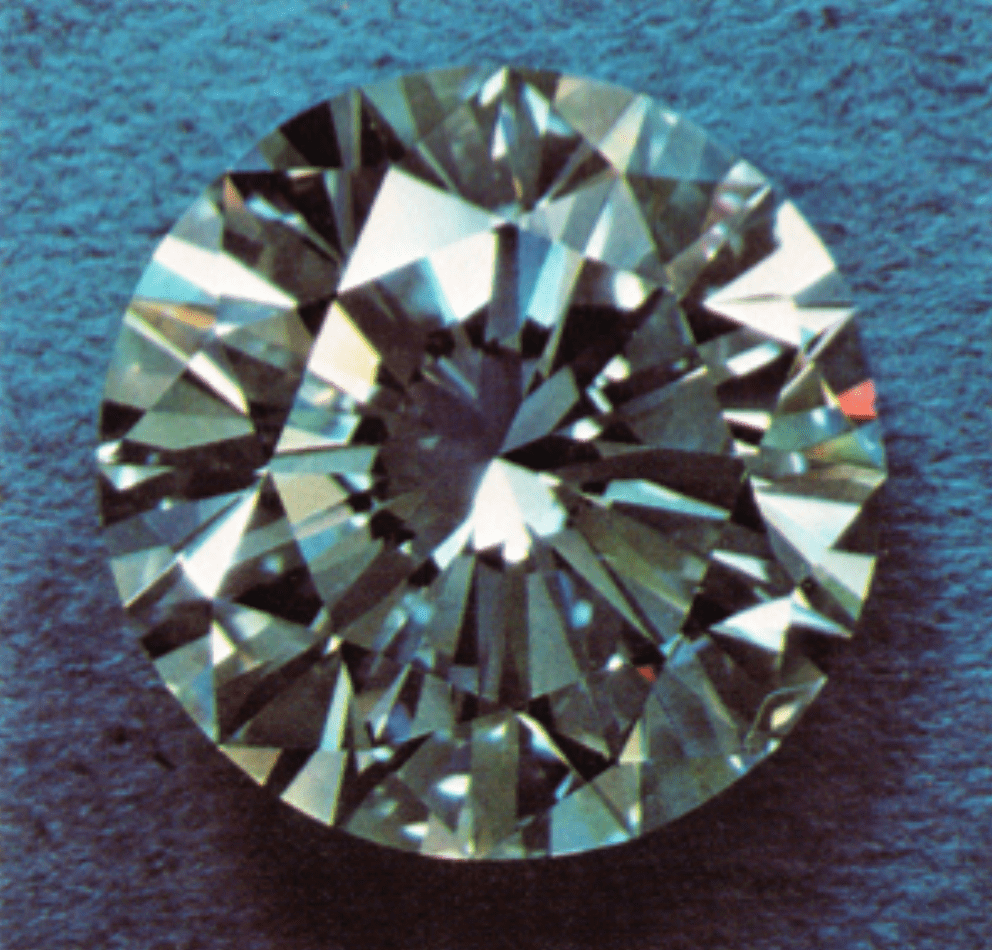
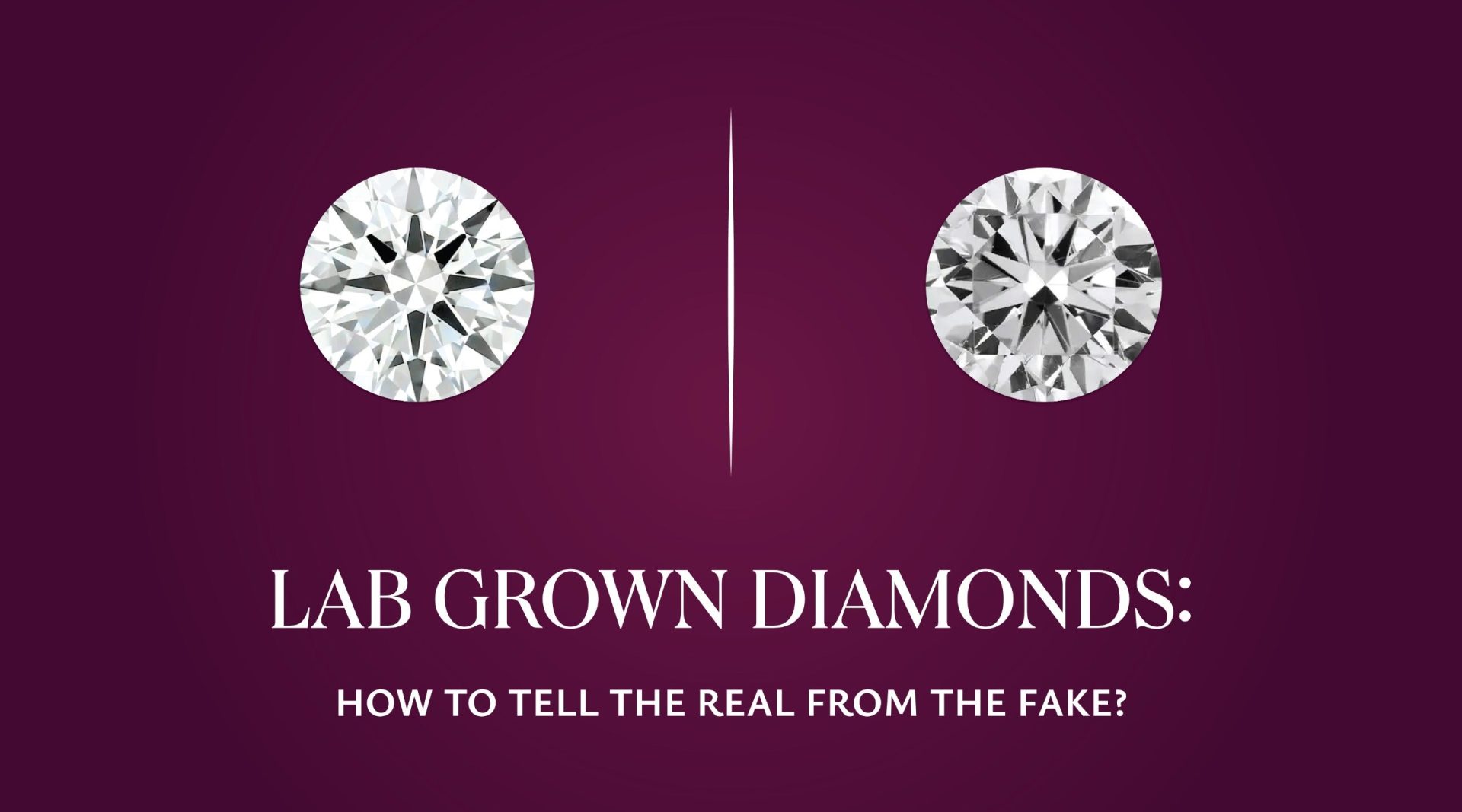
Before performing physical tests, a meticulous visual evaluation is indispensable. Authentic diamonds display brilliant white reflections coupled with subtle colorful flashes known as fire, derived from their high refractive index (approximately 2.42). Common simulants like cubic zirconia, with a lower refractive index near 2.15, often sparkle excessively with rainbow hues, a telltale sign of inauthenticity.
Inspecting the jewelry setting offers additional verification. Genuine diamonds are typically mounted in precious metals with identifiable hallmarks such as “750” for 18k gold or “950” for platinum. Conversely, settings with cheap metals or lack of markings warrant suspicion, and clear stamps like “C.Z.” unequivocally indicate imitation stones.
At-Home Diamond Testing Methods: Practical and Scientific
Several at-home tests exploit core physical traits of diamonds to differentiate them from replicas. For instance, diamond hardness is unmatched, rating 10 on Mohs scale, meaning it can scratch any material except another diamond. However, the traditional scratch test risks damaging the stone and can be misleading, given some simulants such as moissanite also exhibit remarkable hardness (9.25 on Mohs scale).
Instead, evaluating wear over time with a jeweler’s loupe is strongly recommended. Genuine diamonds maintain sharp facet edges and resist surface abrasion far better than softer fakes, which show rounding and scratches after use.
Combine this approach with the Fog, Water, and Read-Through Tests for robust initial screening. Still, recognizing the limits of these DIY methods is crucial; high-quality simulants can sometimes pass such tests, underscoring the need for professional expertise when certainty is paramount.
Professional Verification: The Role of Appraisals and Certifications
When authenticity cannot be assured by visual or simple physical tests, reputable professional appraisal is the definitive path. Certified gemologists utilize advanced instruments such as thermal conductivity probes designed specifically to differentiate diamonds from simulants by measuring heat transfer characteristics.
The value of official grading reports, especially from laboratories like the Gemological Institute of America (GIA), cannot be overstated. These documents provide a comprehensive analysis of the diamond’s characteristics — the 4Cs (Cut, Color, Clarity, and Carat weight) — critical to confirming both authenticity and quality.
Moreover, modern certification protocols increasingly incorporate blockchain-enabled tracking systems that register stone provenance and ethical sourcing, reflecting the global industry’s commitment to transparency. This digital ledger secures the diamond’s entire supply chain, a significant advancement in combating conflict stones and counterfeit gems.
Emerging Technologies Revolutionizing Diamond Authentication
Recent innovations in diamond identification leverage microscopic features within the stones themselves. Fluorescent nanodiamonds enable embedding a quantum optical fingerprint, essentially a unique 3D barcode impervious to replication. This method enables near-instant verification with unparalleled accuracy, transcending traditional external certificates.
Artificial intelligence and deep learning algorithms analyze these internal markers, ensuring that a diamond’s physical characteristics are irrevocably linked to its digital record. By 2025, this technology not only authenticates the gemstone but also integrates its ethical and logistical history, bolstering consumer confidence significantly.

Understanding Common Challenges and Ensuring Secure Purchases
Among the most challenging counterfeit stones is moissanite, which can mimic diamonds visually and pass many simple tests. Its distinctive “disco-ball” sparkle due to excessive fire offers a practical hint to wary buyers. The scratch test on glass, often recommended by laypersons, is unreliable since moissanite and some cubic zirconia can also scratch glass surfaces.
Clear awareness of the 4Cs combined with simple diagnostic tests forms the best strategy before investing in a diamond. To navigate the complexities of the diamond market effectively, consulting resources like expert guides on buying diamonds and gemstones is invaluable for informed decisions.