
In the ever-evolving world of jewelry, purchasing diamond gemstones in 2025 calls for a refined understanding of their intrinsic qualities and market dynamics. Diamonds, with their unmatched durability and captivating brilliance, remain the paramount choice for those seeking timeless elegance. However, the complexities of diamond grading, shapes, and ethical sourcing require buyers to be well-informed to make judicious investments. Whether you are a collector, an investor, or purchasing for a special occasion, recognizing how factors like the 4Cs (carat, cut, color, clarity), shape, and certification influence both beauty and value is critical. Emerging technologies, enhanced online tools, and trusted platforms now empower consumers more than ever to navigate the diamond marketplace confidently.
From understanding how the length-to-width ratio influences the visual impact of fancy-shaped diamonds to discerning the subtle nuances in cut grades that dramatically affect sparkle, this guide synthesizes expert advice and industry standards to refine your approach. In addition, with a growing focus on ethical considerations such as conflict-free sourcing backed by robust certifications, buyers in 2025 are more empowered to make choices that reflect both their personal values and financial prudence. Delve deeper into the mechanics of diamond quality assessment, discover strategic buying tips, and explore reliable venues to secure diamonds that promise lasting brilliance and value.
Essential Factors to Consider When Buying Diamond Gemstones
Navigating the diamond buying process begins with mastering the 4Cs: carat, cut, color, and clarity. These pivotal attributes establish the foundation for evaluating diamond quality and price. Carat weight quantitatively measures your gemstone’s mass but does not solely determine perceived size, which is also influenced by cut quality. The cut not only dictates a diamond’s sparkle and fire but is also the most technically complex attribute, where proportions and symmetry critically impact brilliance.
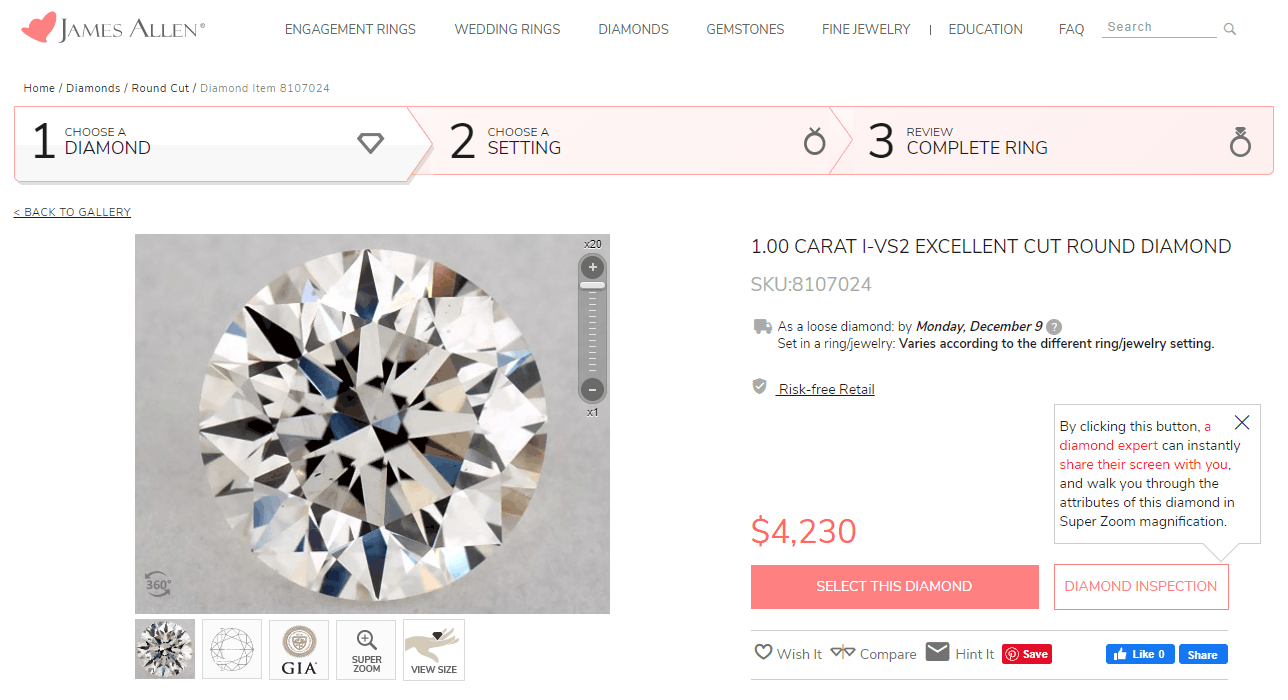
The color grading scale, spanning from D (colorless) to Z (light yellow or brown), is essential to compare subtle hues; most buyers prefer near-colorless grades (F-G-H) for optimal balance of value and visual appeal. Clarity assesses internal inclusions and surface blemishes visible under magnification but particularly matters in selecting an ‘eye-clean’ diamond with minimal visible imperfections. Additionally, the myriad of diamond shapes—from the classic round brilliant to the distinctive princess, cushion, and emerald cuts—each offers unique aesthetic and dimensional attributes, guided by their length-to-width ratios which can accentuate size and elegance.
Selecting the Ideal Diamond Shape and Its Impact on Value
While the round brilliant remains the most popular due to its superior light performance, fancy shapes present distinctive character and visual effects. It is crucial to assess how length-to-width ratios define the silhouette of shapes like oval (ideal ratio ~1.30–1.50) or marquise (approximately 1.85–2.10) to ensure proportional beauty. Some shapes, such as pear or marquise, appear larger per carat because of their elongated facets, enhancing face-up presence.
However, shapes with pointed edges require settings that protect against chipping to preserve durability. Interestingly, while round brilliants tend to hold value robustly due to enduring appeal and excellent brilliance, shapes like radiant and cushion provide budget-friendly alternatives by maximizing yield from rough diamonds. By understanding these nuances, buyers can balance personal preference with practical considerations in gemstone selection.

Comprehensive Understanding of Diamond Cut Quality and Certification Standards
Diamond cut quality stands as a paramount factor in purchasing gemstones, influencing how light interacts within the stone to produce scintillation and fire. More than 60% of round brilliants may earn an “Excellent” cut grade; however, subtle differences within this category can drastically alter visual appeal, making analytical tools like the Holloway Cut Advisor (HCA) indispensable for prospective buyers. This tool estimates potential light return and brilliance based on precise proportions, assisting in discerning superior cuts.
Additionally, leveraging grading reports from esteemed laboratories such as the GIA, AGS, and GCAL ensures reliable evaluation of cut, clarity, color, and carat weight. Certification from these bodies not only confirms authenticity but also protects buyers against misrepresentation, which remains a significant risk in the diamond market. Knowledge of cut subsets—like steep-deep or super-ideal cuts—informs buyers about the balance between weight retention and brilliance performance, crucial for identifying diamonds that combine aesthetics with value.
Optimizing Diamond Color and Clarity Selection
Selecting a diamond’s color and clarity must align with both budget and intended setting. Near-colorless stones within the F to I range often present the best compromise between affordability and visual brightness, especially when set in white metals that enhance perceived colorlessness. Certain fancy shapes can reveal more color due to their facet structures, necessitating a mindful approach to grading nuances.
Regarding clarity, the emphasis is typically on finding an ‘eye-clean’ diamond, free of inclusions visible without magnification. Grades such as VS1, VS2, and clean SI1 are commonly sought after by discerning buyers. Higher clarity grades significantly elevate prices, so balancing clarity with other Cs can yield both aesthetic satisfaction and cost-effectiveness. Awareness of aspects like diamond haze or undisclosed undertones can safeguard against purchase regret.

Safeguarding Against Diamond Scams and Ensuring Ethical Sourcing
In 2025, ensuring the integrity of diamond purchases extends beyond assessing physical qualities to verifying provenance and ethical compliance. The Kimberley Process Certification Scheme (KPCS) remains the global standard to prevent trade in conflict diamonds, a crucial consideration for socially responsible consumers. Buyers should demand transparent sourcing assurances and certification from reputable vendors committed to conflict-free diamonds.
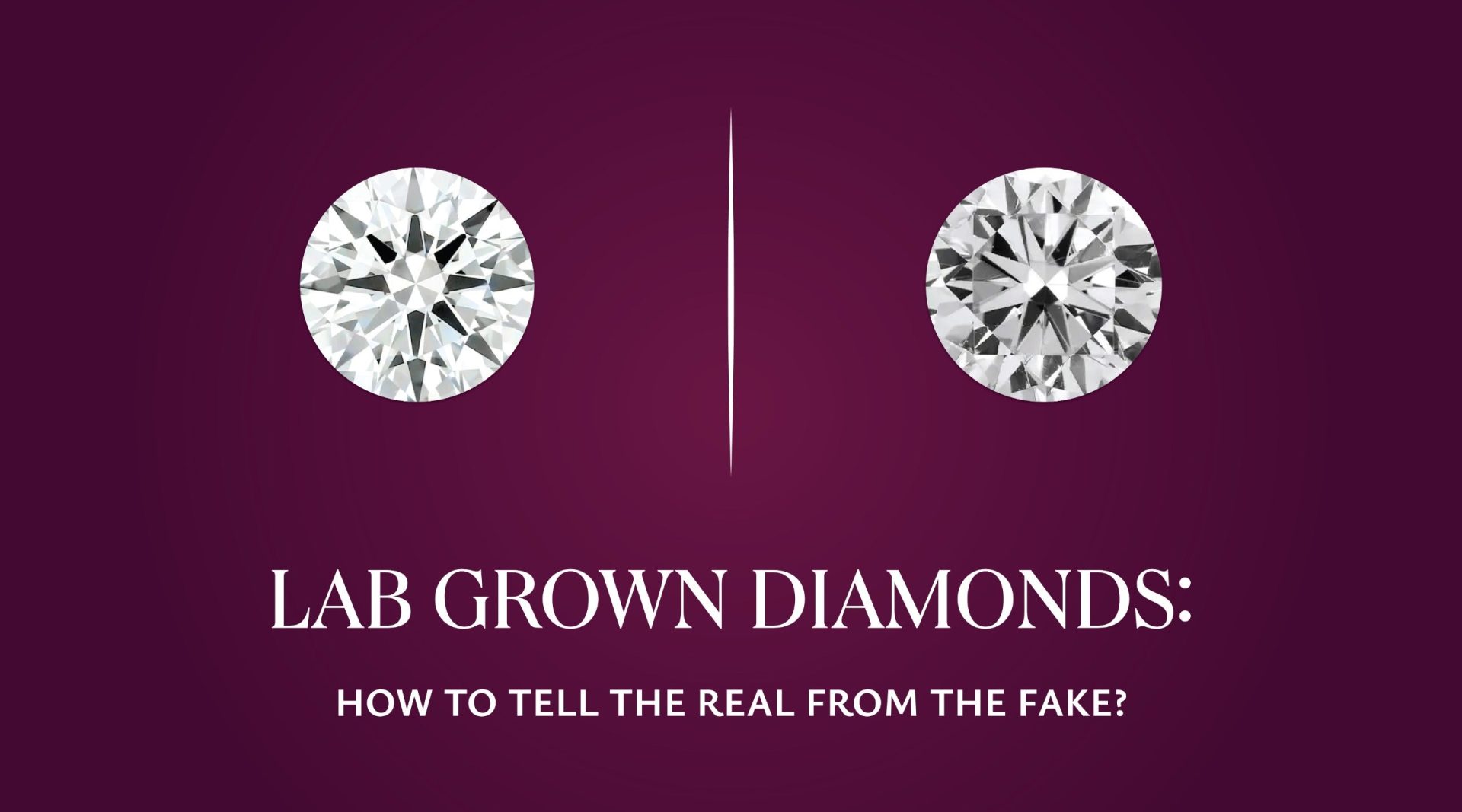
Moreover, with the advent of highly convincing lab-grown diamonds, it’s imperative to secure detailed certification indicating whether a diamond is natural or synthetic. Trusted platforms such as those outlined on Diamond Alpha’s comprehensive guide offer insights and access to vetted sellers providing authentic and certified stones, backed by robust consumer protections including inspection perks and returns.
Choosing Reputable Vendors and Leveraging Online Resources
With a wide selection of online and brick-and-mortar retailers, choosing a trustworthy vendor is key to successful diamond acquisition. Prospective buyers should evaluate longevity in the business, client reviews, membership in trade associations, and customer policies including return and insurance options. Many established vendors now complement physical offerings with detailed online catalogs showing certification reports and high-resolution images enabling thorough evaluation prior to purchase.
Engaging with the diamond community through forums and expert platforms can also enrich buyer knowledge and confidence, empowering decisions informed by collective experiences and professional expertise. Interested readers can explore more at Diamond Alpha’s main page or contact expert advisors for personalized support via their contact portal.