Diamond gemstones captivate not only through their brilliant allure but also via a complex blend of geological formation, structural intricacies, and refined human craftsmanship. As the hardest known material on Earth, diamonds symbolize resilience and timeless beauty, making them an enduring choice for jewelry across cultures. Their journey from deep within the Earth’s mantle to finely cut jewels involves intense natural forces and precise human expertise. The significance of diamonds extends beyond mere aesthetics; they embody status, love, and rarity, which continues to fuel their market demand in 2025.
Understanding diamonds requires insights into their physical properties, cutting styles, and the historical developments that shaped their cultural symbolism. From the “table” facet on the top to the “culet” at the bottom, every element contributes to how a diamond interacts with light. The interplay of cut, clarity, color, and carat weight—the so-called 4Cs—dictates not only the stone’s value but also its visual impact. Technological advancements and sustainable practices have further nuanced today’s diamond industry, challenging buyers to navigate authenticity, quality, and ethical sourcing.
The Unique Physical Characteristics Defining Diamond Gemstones
Diamonds distinguish themselves primarily by their hardness, rated a perfect 10 on the Mohs scale. This extreme durability allows diamonds to endure daily wear without losing their lustrous appearance or structural integrity. This property is vital for jewelry intended for lifelong use, symbolizing unyielding strength in personal bonds, such as engagements or anniversaries.
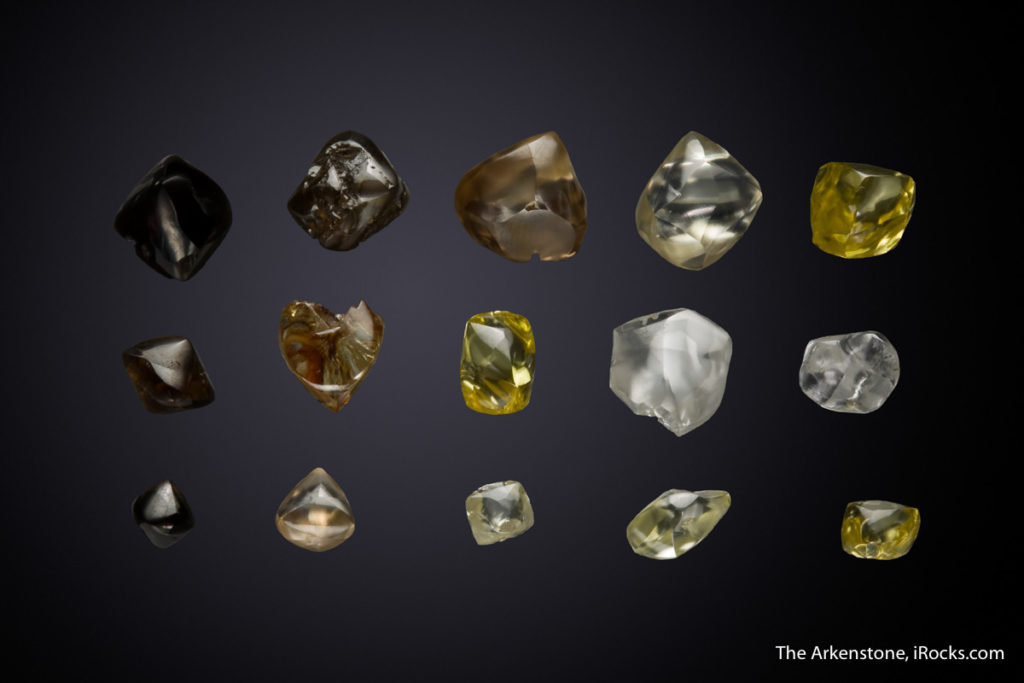
The formation of diamonds occurs over millions of years beneath the Earth’s surface, typically at depths of 150 to 200 kilometers where intense pressure and heat crystallize pure carbon into this remarkable gemstone. This rarity in natural occurrence and the intricate geological conditions required make high-quality diamonds scarce and coveted.
The Anatomy of a Cut Diamond and Its Impact on Brilliance
Every cut diamond features a precise structure comprising several key components that influence light reflection and overall brilliance. The table is the largest flat surface on top, essential for light entry, while the culet sits at the pointed base, often designed to prevent chipping. The girdle encircles the diamond’s widest point, sometimes influencing the setting design in jewelry.
The upper portion, known as the crown, slopes from the table to the girdle and plays a critical role in refracting light back to the viewer. Below lies the pavilion, a funnel-shaped section that directs light internally towards the culet. Proper proportions and angles are necessary to maximize light return, making craftsmanship in cutting vital to a diamond’s fiery appearance.
Popular Diamond Cuts and Their Visual Effects
Among numerous cutting styles, the round brilliant cut remains the most popular choice for engagement rings due to its superior light performance and perceived size enhancement. This precision cut incorporates numerous small facets that optimize sparkle and fire, distinguishing it from the subtler brilliance seen in step cuts.
Step cuts, such as emerald, asscher, and baguette cuts, feature long, rectangular facets which create a hall-of-mirrors effect but produce less brilliance compared to brilliant cuts. These shapes emphasize clarity and transparency, offering a sophisticated, elegant aesthetic.
Evaluating the 4Cs: What Matters Most in Diamond Selection?
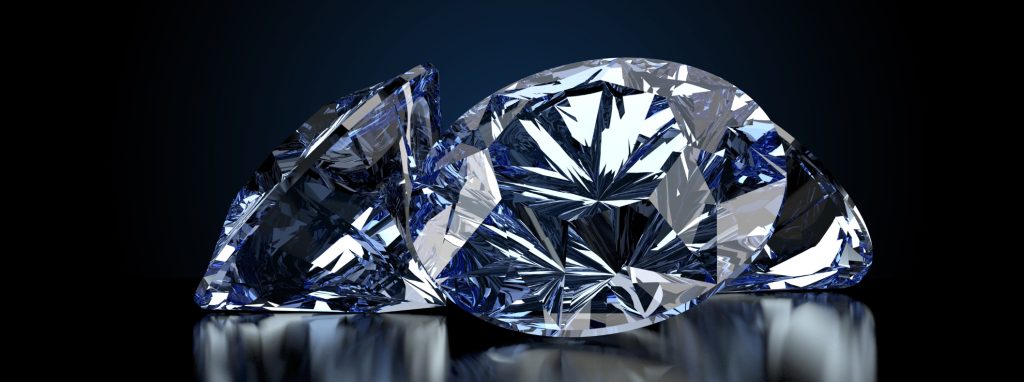
The interplay between the 4Cs—cut, color, clarity, and carat weight—defines both diamond quality and cost. While personal preference influences prioritization, cutting quality arguably plays the most critical role in a diamond’s beauty. A well-executed cut enhances brightness and dimensionality, often compensating for average color or clarity grades. In contrast, poor cutting can diminish a theoretically valuable stone’s visual appeal.
Color and clarity affect the diamond’s purity and radiance, with flawless, colorless stones prized but rare. Carat weight influences size but should be considered alongside the cut, as shape disparities affect perceived dimensions; for instance, an oval cut may appear larger than a round cut of equal carat due to surface area differences.
Clarifying Common Diamond Terminology for Buyers
An important distinction lies between carat and karat. Carat, with a “c”, quantifies gemstone mass, essential for determining diamond size. Karat, spelled with a “k”, indicates the purity of gold in jewelry settings, such as 18-karat gold.
Understanding these terms is fundamental for consumers to make informed decisions in evaluating both the stone and its setting, especially when balancing quality against budget constraints.
Modern Trends: Restyling and Recycling Diamonds
Diamond restyling has become a practical and eco-conscious practice, allowing owners to transform inherited diamonds or outdated jewelry into contemporary designs without discarding precious stones. This process respects heritage and sustainability, reduces the need for new mining, and can offer cost-effective personalization.
In 2025, jewellers increasingly emphasize custom craftsmanship that revives diamonds within modern aesthetics, promoting environmental responsibility while preserving sentimental value. Consumers benefit from jeweler-certified services that ensure the integrity and quality of recycled stones through expert evaluation and re-cutting where necessary.

Understanding the technical mastery behind diamond cutting demystifies why some stones dazzle more than others and aids buyers in appreciating craftsmanship beyond the raw material.