In the evolving landscape of gemstones, the choice between natural and lab-grown diamonds presents both enthusiasts and buyers with intricate decisions. While both types embody the same crystalline carbon structure celebrated for its exceptional hardness and brilliance, their divergent origins impart distinct characteristics in cost, sustainability, and symbolic value. As 2025 advances, consumers are increasingly informed and discerning, seeking clarity on factors that extend beyond mere aesthetics. Decoding these differences is essential, particularly when selecting a diamond for significant milestones like engagements, investments, or bespoke jewelry.
In brief: Natural diamonds have formed over billions of years beneath the Earth’s surface, granting them rarity and historical cachet, whereas lab-grown diamonds are engineered within controlled environments replicating geological conditions, offering affordability and ethical sourcing advantages. Both diamonds share identical chemical and physical properties, but diverge sharply in price, resale potential, and environmental footprint. Certification and expert evaluation remain paramount for authentic identification. Understanding these nuances enables buyers to align choices with their personal, financial, and ethical priorities.
Origins and Formation: Contrasting Natural and Lab-Grown Diamonds
Natural diamonds emerge from intense geological processes occurring deep within Earth’s mantle, a transformation demanding extreme pressure and temperature sustained over millions to billions of years. These stones are extracted from primary sources such as kimberlite or lamproite pipes and from secondary alluvial deposits, followed by meticulous cutting and polishing. Each natural diamond carries a unique geological fingerprint, shaped by intricate inclusions and crystal growth patterns developed over eons.
Lab-grown diamonds, by contrast, are synthesised using two principal technological methods: High Pressure High Temperature (HPHT) and Chemical Vapor Deposition (CVD). HPHT mimics Earth’s internal conditions by subjecting carbon to intense pressure and heat, typically producing stones with a subtle yellow or brown hue which may require additional treatment. CVD involves depositing carbon atoms from a vapor phase onto a substrate within a vacuum chamber, progressively building the diamond layer by layer. This method excels in producing high-clarity, smaller diamonds that are subsequently annealed to optimize their color and clarity. Despite the divergent genesis, both diamond types exhibit the pure carbon tetrahedral lattice fundamental to their identity.
Visual Attributes and the 4Cs: Discerning Subtle Differences
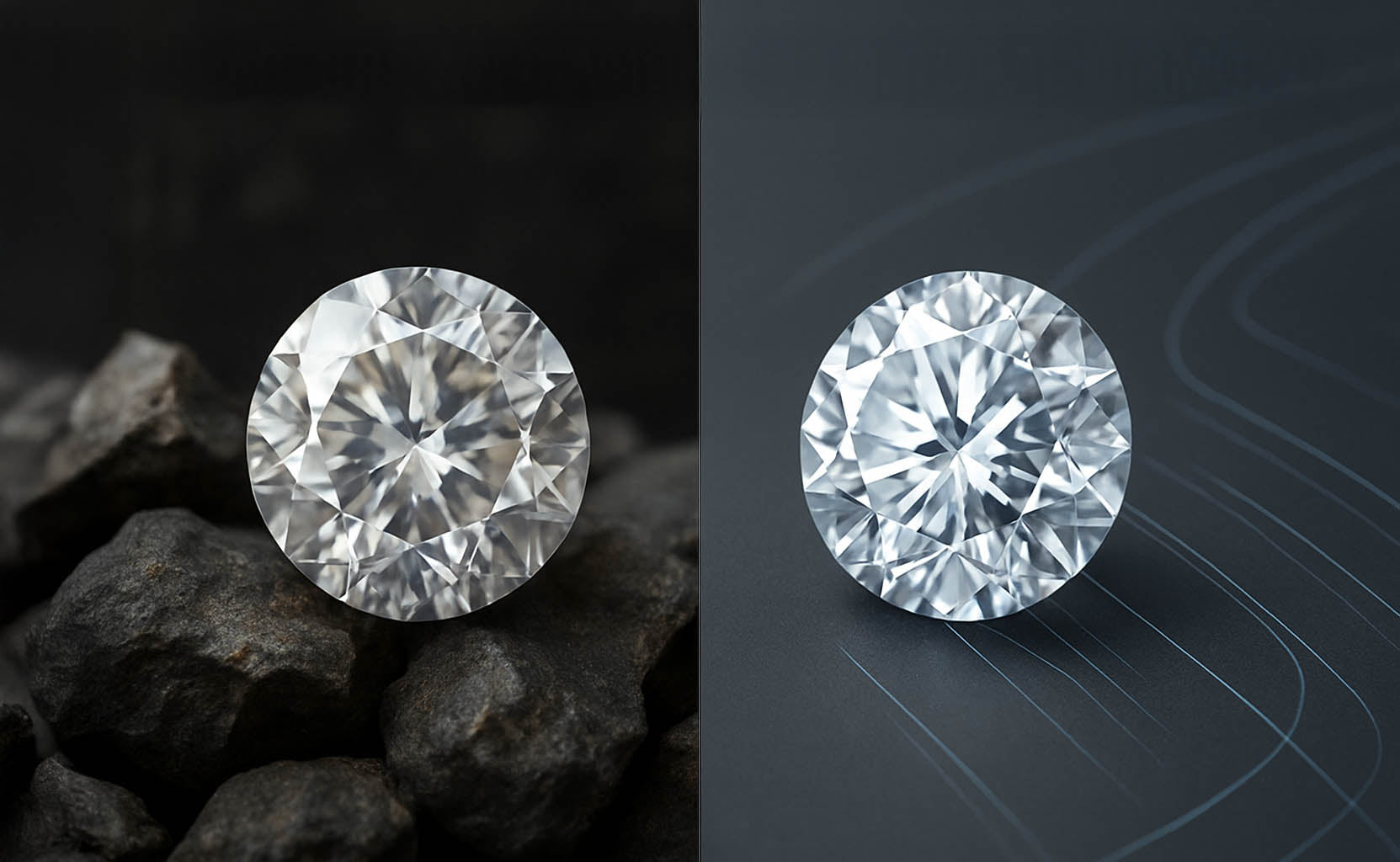
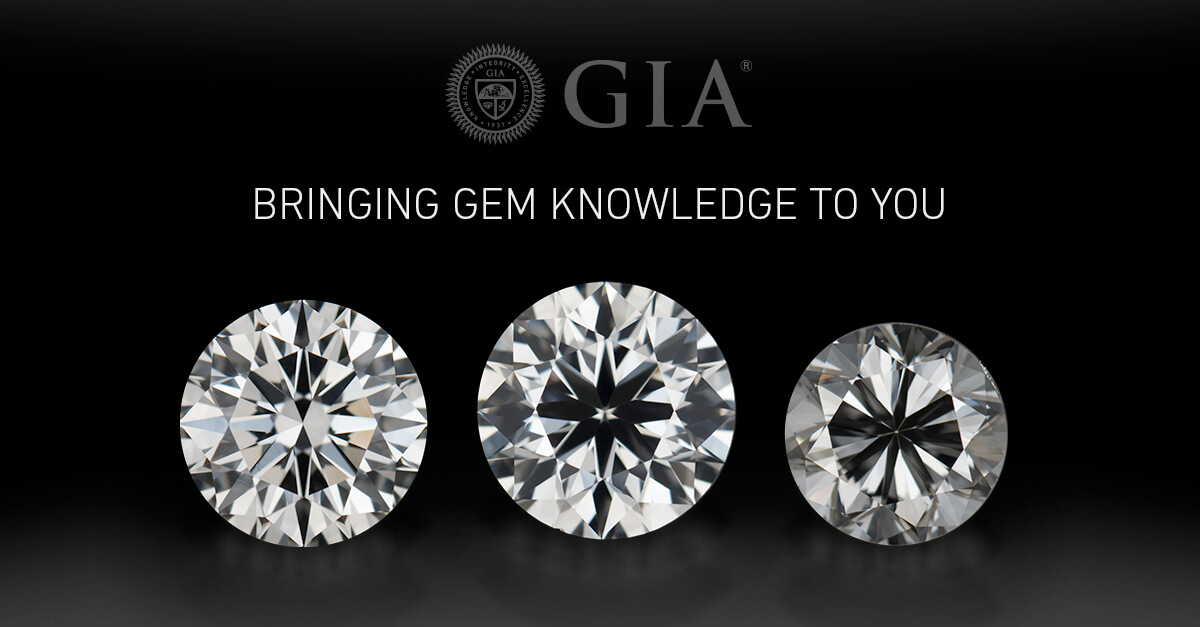
To the naked eye, lab-grown and natural diamonds are visually indistinguishable, sharing the same refractive index, fire, and hardness rating of 10 on the Mohs scale. The universally standardized criteria known as the 4Cs—Carat, Cut, Color, and Clarity—apply commensurately to both categories. Lab-grown diamonds often benefit from advanced manufacturing control, enabling the production of larger, nearly flawless stones at reduced costs.
Natural diamonds, however, are prized for their unique inclusions—microscopic mineral traces or irregular growth features—that often reveal their earthly formation. Lab-grown diamonds may contain metallic flux inclusions from HPHT methods or layered growth patterns characteristic of CVD processes. Color variation is another hallmark: while natural diamonds derive tints from trace elements and radiation exposure accumulated over geological timescales, lab-grown stones may undergo post-growth treatment to alter their color nuances.
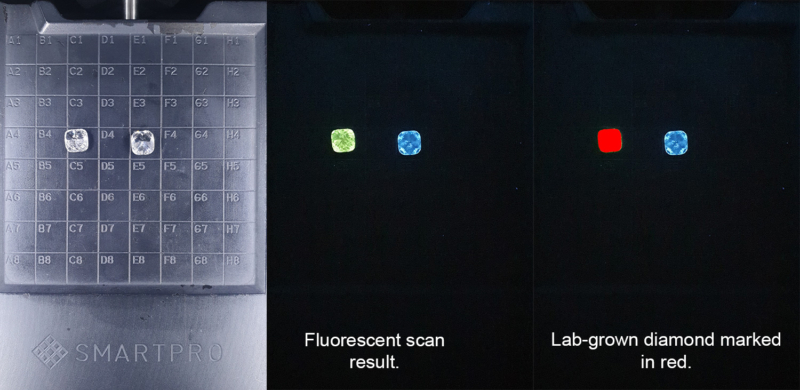
Certified gemological evaluation is indispensable for definitive origin determination, utilizing specialized spectrometry and microscopic analysis. Such rigorous scrutiny is highlighted at Diamond Alpha’s guide to the 4Cs, essential for consumer confidence in their purchase.
Market Dynamics: Pricing, Value Retention, and Ethical Considerations
From a price perspective, lab-grown diamonds feature prominently for their cost efficiency, generally offered at 40 to 70 percent less than comparable natural stones when matched in carat weight, cut, color, and clarity. This affordability stems from scalable production, absence of mining expenditures, and reduced rarity. Yet, the value proposition diverges when contemplating resale and long-term investment potential. Natural diamonds, especially those exhibiting provenance or rare fancy colors, historically demonstrate superior retention and appreciation given their finite nature and established market demand.
Considerations of sustainability further stratify these options. Natural diamond mining involves significant landscape alteration, water consumption, and energy use, albeit mitigated through certifications and responsible sourcing practices such as those endorsed by the Responsible Jewellery Council. Conversely, lab-grown diamonds bypass mining-related environmental impacts and conflict concerns yet entail substantial electricity consumption during production. Producers leveraging renewable energy sources substantially reduce the carbon footprint, a detail buyers increasingly scrutinize. Understanding the full lifecycle and energy dependencies of your diamond choice is critical, information often transparently shared by ethical vendors as seen at Diamond Alpha.

Certification and Verification: Essential Safeguards for Authenticity
Certification bodies play a pivotal role in educating and safeguarding consumers. The Gemological Institute of America (GIA) remains the gold standard for natural diamond grading while also providing explicit origin disclosures to distinguish lab-grown stones. Other organizations including the International Gemological Institute (IGI) and American Gem Society (AGS) contribute significantly to transparent grading and origin notation. Certified diamonds typically bear laser inscriptions on their girdle matching their grading report, enabling quick authentication. Buyers should always insist on independent grading reports verifying carat weight, cut quality, color grade, clarity, and crucially, the diamond’s genesis (learn more about diamond certification here).
Refusing or doubting delivery of such certification signals a red flag warranting caution. Engaging with reputable dealers offering return policies and warranties ensures added security during this significant investment.
Strategic Buying Insights: Aligning Diamond Choice with Priorities
In practical terms, the decision between lab-grown and natural diamonds hinges on intersecting priorities. For consumers seeking maximal size within budget constraints, lab-grown diamonds deliver unparalleled access to larger, visually captivating stones. Those valuing tradition, investment potential, and long-term familial legacy may prefer natural diamonds for their enduring status and uniqueness.
Additional consumer considerations include brand premiums impacting final cost, as well as environmental impact preferences, with increasing demand for producers employing sustainable energy. Examining these variables holistically enables personalized selections tailored to ethical, financial, and emotional imperatives.
Prospective buyers are encouraged to start by browsing comprehensive selections of certified options, weighing comparative merits of each stone’s 4Cs metrics as highlighted in expert marketplaces. This structured approach ensures informed choices balancing beauty, value, and conscience.