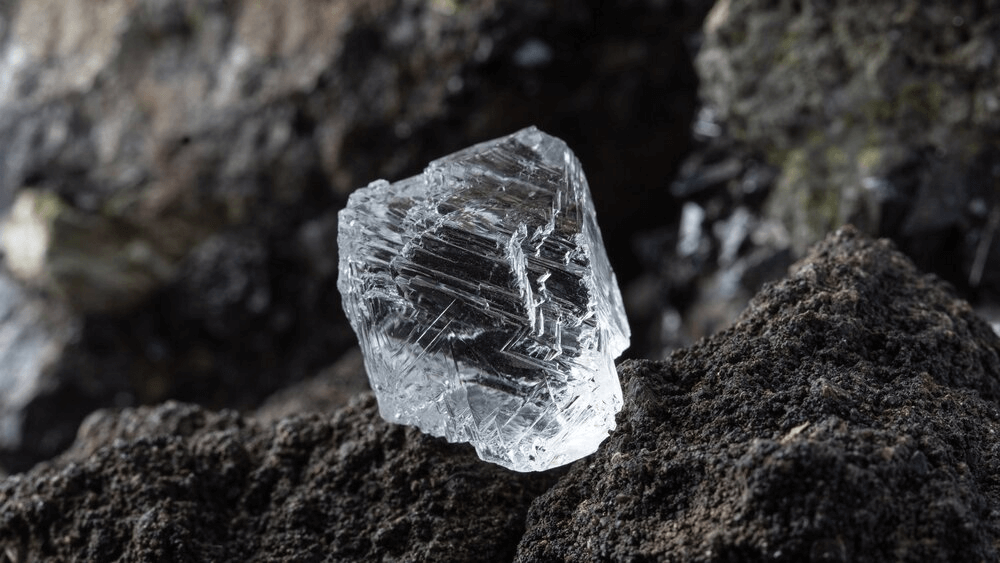
In 2025, the diamond industry stands at a critical crossroads where transparency and ethical responsibility have become paramount. With growing consumer awareness, the ethical sourcing of diamonds has evolved from a niche concern to a fundamental expectation. This progression reflects a global movement towards ensuring that every diamond purchased not only embodies beauty and rarity but also aligns with values of environmental stewardship, human rights, and social equity. The complex journey from mine to market involves rigorous scrutiny of labor conditions, environmental impact, and the prevention of conflicts financed by diamond trading. As a result, buyers are urged to understand the multifaceted nature of ethical sourcing, empowering themselves to make informed decisions that foster trust and sustainability within the diamond trade.
In brief: Ethical diamond sourcing in 2025 prioritizes environmental sustainability and human rights, driven by comprehensive certification systems and technological innovation. The industry’s commitment includes adhering to strict regulations, supporting mining communities with fair employment, and embracing alternatives like lab-grown diamonds. Transparency through traceability tools and responsible retailer engagement equips consumers to choose diamonds that reflect their values. The diamond sector continues to deliver substantial socioeconomic benefits while confronting challenges tied to supply chain complexity and ecological conservation.
Fundamentals of Ethical Diamond Sourcing: Ensuring Integrity from Mine to Market
Ethical sourcing in the diamond industry encompasses a holistic approach that safeguards environmental integrity and upholds human dignity. Central to this paradigm is the elimination of conflict diamonds—stones mined in war zones and sold to finance armed conflict. Since the establishment of the Kimberley Process Certification Scheme in 2003, there has been significant progress toward curbing illicit trades. However, industry leaders recognize that ethical sourcing must extend beyond conflict prevention to include strict adherence to fair labor practices and environmental regulation enforcement.
This requires comprehensive audits and transparency initiatives from major mining operations. Notably, large-scale mining corporations responsible for approximately 85% of the global natural diamond supply by volume operate under stringent ethical standards and publish detailed sustainability reports. Their commitment extends to ensuring safe working environments, fair wages, and contributions to local community development, illustrating a concerted effort to balance profitability with social responsibility.

Tackling Traceability and Environmental Impact through Advanced Technologies
The diamond supply chain’s complexity presents significant challenges for traceability, making it essential to employ innovative tools to verify sourcing authenticity. Blockchain technology has emerged as a transformative solution, enabling immutable tracking of each diamond’s journey from extraction to sale. This level of transparency helps consumers and retailers ensure that their diamonds are free from unethical practices.
Moreover, environmental concerns remain pressing due to the ecological footprint of mining activities, including land disruption and water consumption. Ethical diamond producers invest in rehabilitation and mitigation programs to restore ecosystems affected by extraction. The integration of these practices demonstrates the industry’s movement towards more sustainable methodologies.
Labor Rights and Community Empowerment in Diamond Mining Regions
Ethical diamond sourcing is also fundamentally about protecting workers and uplifting communities where mining occurs. Ensuring safe working conditions and eliminating exploitative practices such as child labor are non-negotiable standards. Fair compensation bolsters local economies and fosters socio-economic stability.
Beyond labor conditions, mining operations contribute to regional development—investing in education, healthcare, and infrastructure. Such initiatives not only improve living standards but also build trust between mining companies and communities. For instance, substantial employment opportunities afforded by diamond mines enable many families to achieve sustainable livelihoods, reinforcing the industry’s role as a catalyst for positive change.

The Ethical Appeal of Lab-Grown Diamonds
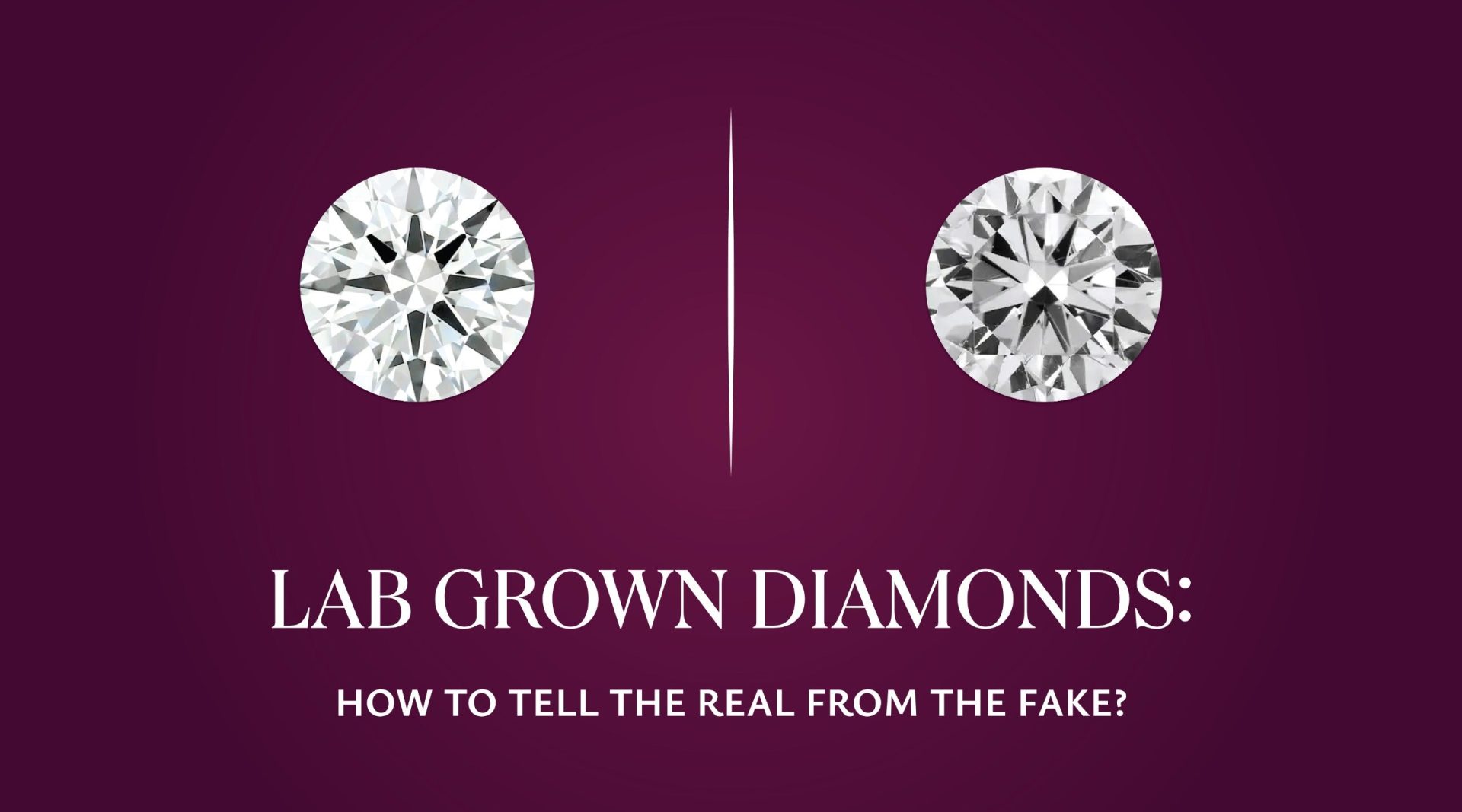
As public scrutiny intensifies, lab-grown diamonds offer a compelling option for ethically conscious customers. Created through advanced technological processes that replicate natural diamond formation, these stones possess identical physical and chemical properties to mined diamonds. Most importantly, they entail significantly lower environmental impact and no risk of funding conflicts or human rights violations.
The rise of lab-grown diamonds reflects a broader industry trend emphasizing sustainability and responsibility. Consumers can explore this alternative while maintaining the brilliance and quality expected from diamond jewelry. Detailed guides on purchasing ethical gems can assist buyers in navigating options and making choices aligned with their values.
Guidelines for Consumers on Ethical Diamond Purchases
Informed buying decisions are crucial to fostering ethical sourcing practices industry-wide. Consumers should engage in thorough research to understand a retailer’s sourcing policies and demand transparency regarding the diamond’s origin. Certification from recognized organizations such as the Responsible Jewellery Council indicates adherence to rigorous ethical standards.
Shopping advice includes prioritizing companies committed to supply chain transparency and social responsibility initiatives. Resources that explain the diamond journey—from extraction through to retail—offer valuable insights to consumers looking to support ethical practices. By choosing responsibly sourced or lab-grown gems, buyers actively contribute to an ethical market transformation.

Comprehensive Understanding through Educational Resources
To deepen awareness, consumers may refer to expert guides that detail the nuances of diamond sourcing. These encompass distinctions between natural and lab-grown diamonds and provide recommendations for evaluating gemstone quality and ethical credentials. Such knowledge empowers consumers to make choices that reconcile aesthetic desires with conscientious values.
Exploring the complete diamond journey and understanding industry efforts toward ethical compliance strengthen consumer confidence and support an evolving market shaped by sustainability and fairness.
Discover more through comprehensive resources tracing the diamond supply from mine to market and detailed gemstone guides designed to equip consumers with actionable information.