Diamonds stand apart among birthstones, captivating with their unparalleled durability, symbolic depth, and scientific complexity. As the birthstone for April, diamonds embody themes of new beginnings and enduring strength, making them highly sought after for commemorating significant life moments. The gem’s extraordinary hardness, intricate crystal structure, and light-reflecting brilliance contribute to its unique allure, setting it apart not only as a precious gemstone but as a cultural icon.
In brief:
- Diamonds’ chemical lattice of carbon atoms imparts exceptional hardness and brilliance.
- Their symbolism extends beyond beauty, embodying strength, eternal love, and renewal.
- Advanced grading using the 4Cs precisely categorizes quality and value.
- Ethical sourcing has become crucial to align with modern values.
- Understanding natural versus lab-grown diamonds informs smart purchasing decisions.
The Chemical and Physical Foundations of Diamond Uniqueness
Diamonds’ uniqueness begins at the atomic level: they are composed exclusively of carbon atoms arranged in a precise tetrahedral lattice structure. This crystalline formation results in the highest hardness rating on the Mohs scale, making diamonds resistant to scratches and highly durable for everyday wear. The molecular arrangement also enables diamonds to refract and disperse light in distinctive ways, generating their renowned brilliance and fire.
These properties are not just abstract scientific facts but contribute directly to the diamond’s value and desirability among gemstone aficionados. For further insight into the interplay of chemistry and optical phenomena that create diamonds’ lustrous appearance, consult the detailed science behind diamonds’ shine.

Advanced Grading and the 4Cs: Defining the Standards
Diamond grading employs the standardized 4Cs: Cut, Color, Clarity, and Carat weight. Each factor plays a crucial role in assessing a diamond’s quality and market value. The cut determines how effectively a diamond interacts with light, influencing brilliance. Color grading measures the absence of hue, with the most prized diamonds being colorless. Clarity assesses internal inclusions or external blemishes that may affect transparency. Lastly, carat weight quantifies the stone’s size.
Knowledgeable buyers use these criteria extensively, balancing all parameters to find diamonds that meet aesthetic preferences and investment goals. To deepen your understanding, you can explore comprehensive guides on diamond grading and the 4Cs.
The Symbolism and Cultural Importance of Diamonds as Birthstones
Diamonds carry rich symbolic meanings, often representing eternal love, strength, and purity. As the birthstone for April, they embody renewal and new beginnings, inspired by spring’s rejuvenating energy. Historically, diamonds have marked important life events such as engagements and anniversaries, further cementing their status in cultural rituals and personal milestones.
This symbolic resonance makes diamonds especially appropriate for birthstone rings that celebrate lasting bonds within families and relationships. For a detailed exploration of the diverse meanings embodied by diamonds, visit diamond symbolism and meaning.

Famous Diamonds and Their Historical Significance
Numerous storied diamonds have shaped the gem’s reputation and cultural fascination. Stones like the Hope Diamond and the Koh-i-Noor have traversed centuries, captivating kings, collectors, and the public alike due to their size, color, and lore. These gems emphasize the profound connection between diamonds and human history.
Exploring the tales behind these renowned gems offers unique insights into why diamonds hold an enduring place both as birthstones and symbols of prestige. Discover intriguing histories and famous diamonds by visiting the resource on world-famous diamonds.
Ethical Sourcing and Modern Considerations in Diamond Acquisition
In recent decades, the origin and ethical sourcing of diamonds have taken central importance in consumer decisions. With increased awareness about conflict diamonds and environmental impact, reputable suppliers now emphasize transparent and responsible mining practices to ensure that diamonds do not fuel violence or exploitation.
Consumers interested in sustainable buying options can examine the entire value chain from extraction to retail, a process outlined in detail in ethical sourcing of diamonds. These principles protect both the environment and human rights, transforming how diamonds are valued beyond their physical beauty.

Natural versus Lab-Grown Diamonds: Understanding the Differences
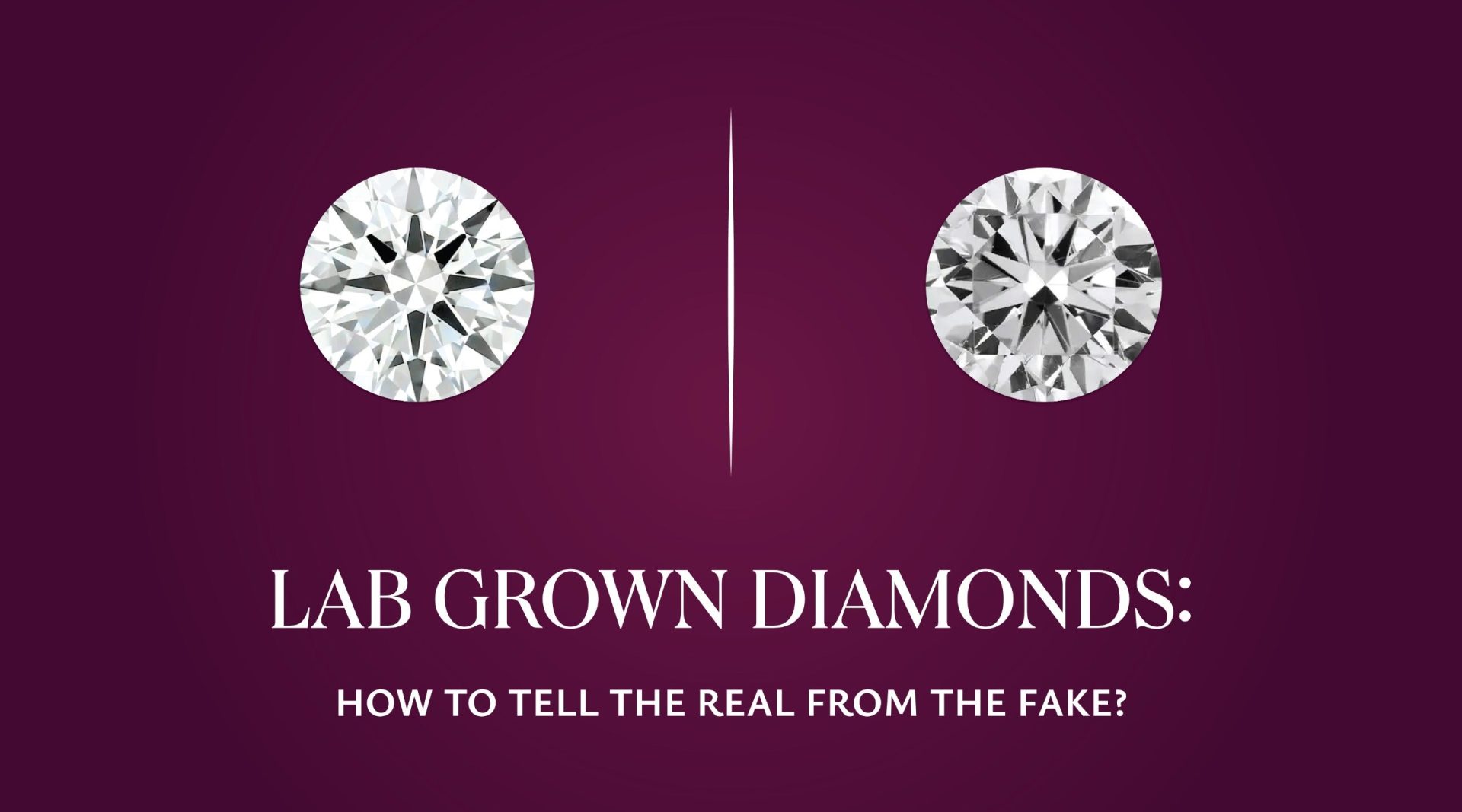
The advent of high-quality lab-grown diamonds introduces new choices for consumers prioritizing cost-effectiveness and ethical considerations. Lab-grown diamonds share identical chemical and physical properties with natural stones, yet can be produced with less environmental impact.
Understanding the nuances between these options is essential for informed decision-making and investment. Detailed comparisons about natural versus lab-grown diamonds and their market implications are available at this resource.
Investment Potential and the Role of Diamonds in Wealth Preservation
Beyond their ornamental value, diamonds can be viewed as tangible assets with potential to preserve and grow wealth over time. Certain categories of diamonds, especially rare and high-quality stones, have demonstrated investment returns in turbulent financial markets.
Prospective investors must comprehend market dynamics, grading intricacies, and authenticity verification techniques to optimize their portfolios. Trusted information on purchasing diamonds for investment purposes is thoroughly documented at investment in diamonds.