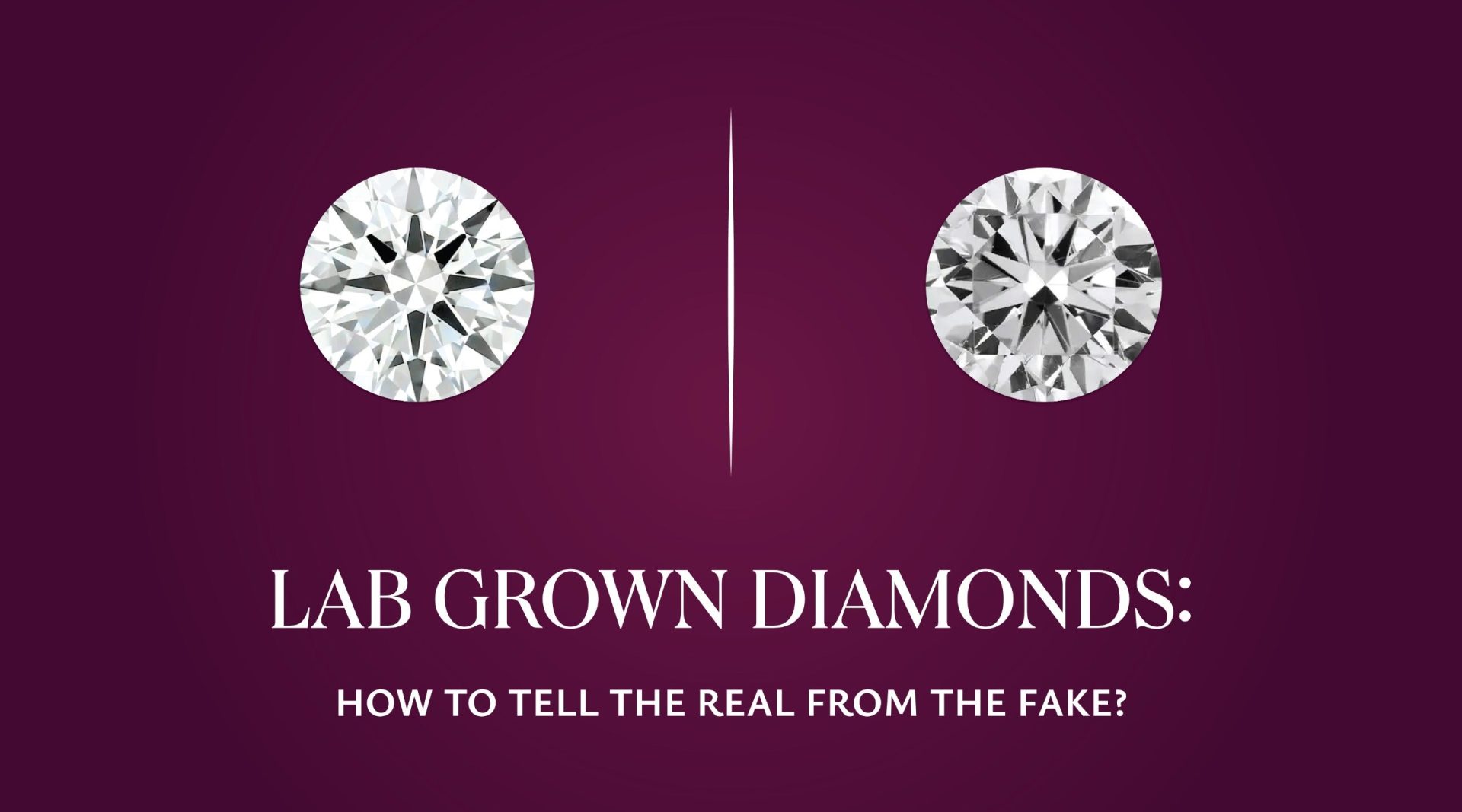

Discover the captivating physics that give diamonds their unmatched brilliance and fiery glow. Beyond mere rarity, a diamond’s sparkle symbolizes a sophisticated dance of light and craftsmanship, making them the quintessential emblem of luxury and love. From the moment white light penetrates a diamond’s polished surface, intricate phenomena of reflection, refraction, and dispersion work in tandem. These optical interactions are finely tuned by the diamond’s cut, clarity, and polish, defining the intensity and quality of the gem’s radiance. While surface reflection offers the initial gleam, the internal journey of light through facets determines the true brilliance and scintillation that mesmerize observers.
In 2025, understanding these principles is crucial not only for jewelers but also for savvy buyers navigating an evolving marketplace that balances natural beauty with ethical sourcing and investment potential. This exploration also reveals how modern settings and lighting conditions influence perceived sparkle, guiding consumers to make informed choices that highlight the diamond’s full optical performance.
- Diamond sparkle results from the interplay of reflection, refraction, and dispersion.
- Cut quality is paramount, dictating how light traverses and returns within the diamond.
- Facets’ symmetry and polish critically affect the gem’s brilliance and fire.
- Clarity and color grades subtly influence light behavior but do not outweigh cut standards.
- Setting style and lighting conditions can enhance or diminish a diamond’s natural sparkle.
Physical Optics: How Light Creates a Diamond’s Sparkle
The signature glow of a diamond is a product of rigorous physical interactions between light and the crystal structure. When light enters through the diamond’s table facet, it undergoes three principal phenomena: reflection, where light bounces off polished surfaces; refraction, the bending and slowing of light due to the diamond’s high refractive index (approximately 2.42); and dispersion, which splits white light into its constituent spectral colors, manifesting as the captivating “fire.”
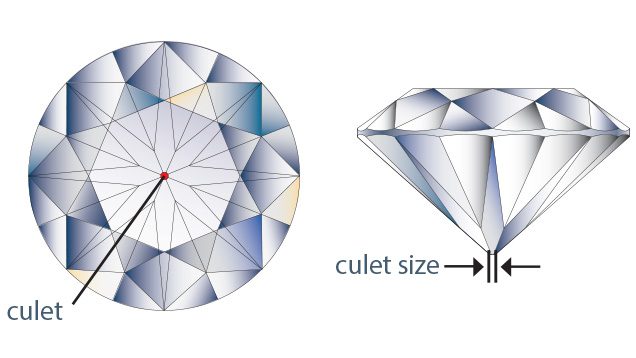
Each facet of the diamond acts like a highly-reflective mirror, directing light internally through optimal angles engineered by master cutters. An ideal pavilion angle between 40 and 41 degrees maximizes internal reflection, preventing light leakage through the bottom or sides. This precision creates a luminous return of light, responsible for the diamond’s breathtaking brilliance.

Reflection: The Mirror Effect That Delivers Initial Brilliance
Purely polished and symmetrical facets serve as the diamond’s mirrors. When light first touches a facet, the efficiency of reflection governs the initial flash that catches the eye. Even minute deviations in flatness or alignment reduce reflected light intensity, weakening perceived sparkle. This phenomenon explains why two diamonds identical in size and clarity can differ widely in brilliance.
Refraction: Lighting the Fire Within
The diamond’s internal architecture manipulates incoming light through its high refractive index. As light enters, it slows and bends, traveling across various angled facets inside. This carefully choreographed path results in a maximum return of light through the crown facets, enhancing the stone’s brightness. If cut angles miss their target, light escapes, manifesting as a dull or lifeless appearance.
Masterful Craftsmanship: Cut Quality as the Core Determinant of Sparkle
The science behind diamond brilliance hinges most critically on the quality of the cut. Regardless of inherent optical properties, a poorly executed cut wastes potential light interaction. The ideal cut ensures correct proportions and angles such as pavilion and crown facets harmony, alongside precise girdle thickness. These exacting standards influence how well a diamond transforms light into intense brilliance and vivid fire.
Additionally, facet symmetry and polish are fundamental. Perfectly aligned facets reflect light uniformly, avoiding dark spots called “light leakage.” Meanwhile, superior polish enhances the smoothness of facets, minimizing microscopic imperfections that compromise light refraction and reflection.
Clarity and Color: Subtle Influences on Radiance
Though cut dominates, the clarity—the presence of internal inclusions or external blemishes—can obstruct or scatter light, creating “windows” where light passes through instead of reflecting. Minor inclusions invisible to the naked eye often have negligible effect, but prominent flaws may reduce sparkle.
The color grade—ranging from D (colorless) to Z (light yellow or brown)—affects light purity. Colorless diamonds transmit pure white light, while warmer tints slightly diffuse this effect. However, near-colorless stones classified G to J offer excellent visual brilliance balanced with value.
Environmental Factors: Enhancing Diamond Sparkle with Setting and Light
The diamond’s setting plays a critical role in its perceived brilliance. Prong settings lift the stone, maximizing light exposure from multiple angles, whereas bezel or heavier metal frames can reduce sparkle by blocking light entry points. Selecting an adequate setting complements the diamond’s cut for ultimate impact.
Lighting conditions further influence perception. Diamonds shine optimally under broad-spectrum light such as sunlight or LED bulbs with high color rendering index (CRI), showing off facets’ brilliance and fire. Retail displays often combine lighting strategies to reveal the full spectrum of sparkle nuances.
By grasping the interplay of physics and craftsmanship that results in a diamond’s unparalleled sparkle, buyers and enthusiasts can make informed decisions. Whether for personal adornment, investment purposes, or exploring the symbolic meanings of gems, this knowledge enriches appreciation for one of nature’s most extraordinary treasures.
Explore more about the diamond gemstones guide and learn how to discern the best stones for both beauty and value.