In the realm of alternative investments, diamonds have consistently captivated attention, blending allure with perceived stability. As we navigate the financial landscape of 2025, investors grapple with evaluating whether diamonds truly represent a prudent asset or merely a symbol of status and sentiment. The complexities surrounding valuation, market transparency, and liquidity present a nuanced picture beyond the sparkling surface.
Diamonds possess a unique investment profile. Unlike stocks or commodities, they do not trade on public exchanges, rendering their price mechanisms opaque and subjective. However, their historical association with wealth preservation and portfolio diversification endows them with potential appeal. Investors must weigh these advantages against challenges such as market illiquidity and variable resale values. This guide illuminates the critical dimensions and strategic considerations essential for informed decision-making in diamond investments.
How Do Diamonds Compare as an Investment Asset in 2025?
Diamonds offer several distinctive investment advantages. Primarily, they serve as a store of value that can withstand currency fluctuations and economic uncertainties, similar to precious metals. Their compact size permits discreet portability and easy storage, which appeals to those seeking tangible assets. Yet, diamonds lack the liquidity inherent in traditional investments like stocks or bonds. Selling a diamond swiftly often entails accepting a price below market or facing protracted sale periods.
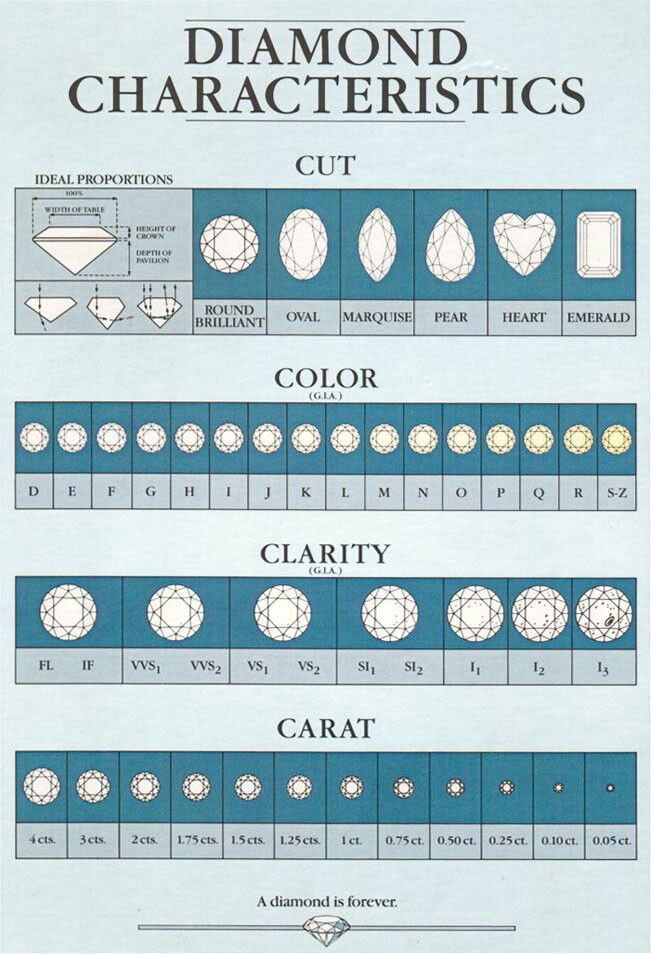
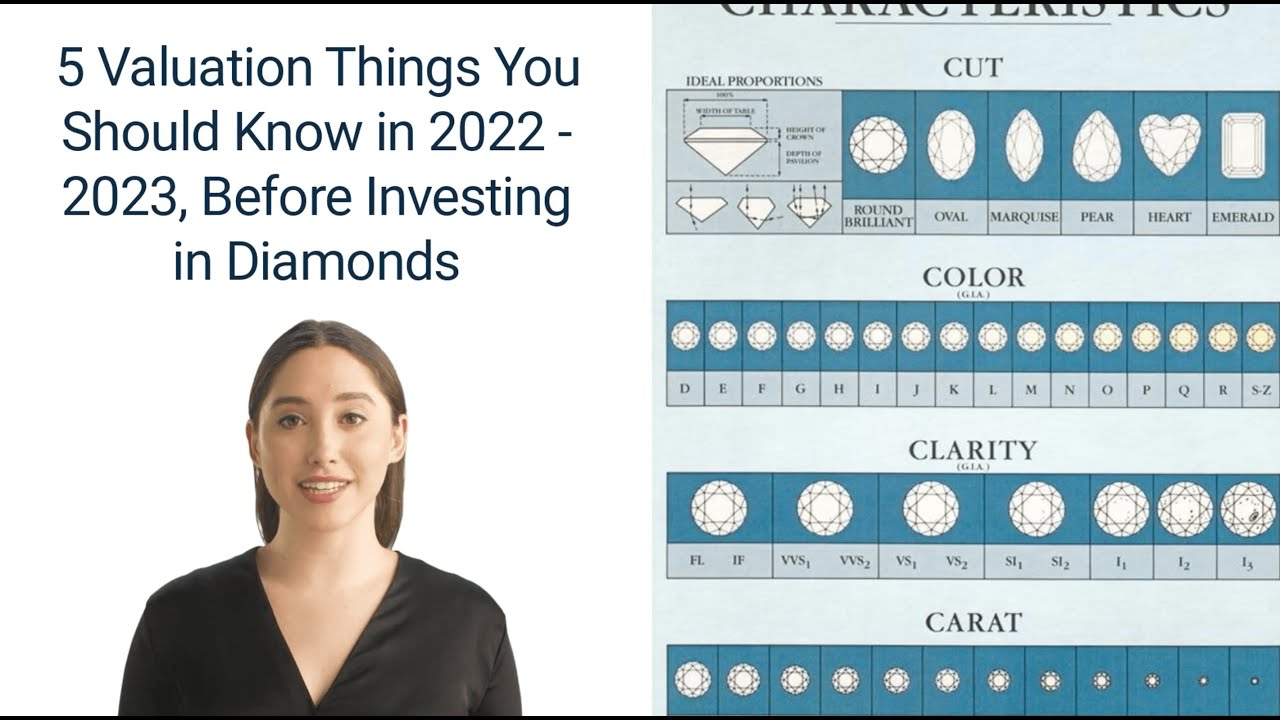
The diamond market’s inherent opacity further complicates valuation. Each stone’s worth depends on the 4Cs – cut, color, clarity, and carat weight – and the presence of recognized certifications such as those from GIA (Gemological Institute of America). The absence of a centralized pricing index means diamond prices are determined on a case-by-case basis, which requires expertise to navigate.
Why Rarity and Certification Matter in Diamond Investments
Rarity substantially impacts a diamond’s investment potential. Take argyle white diamonds as an example – their scarcity attracts collector interest and can bolster long-term appreciation. However, a diamond’s certification underpins trust and value verification, mitigating the risks of fraudulent sales or undisclosed treatments. This is particularly essential given the industry’s occasional challenges with synthetic stones being misrepresented as natural diamonds. Buyers should rigorously verify certification and provenance to secure legitimate investments.
For more comprehensive insights on gemstone authentication and selection, exploring reputable sources on buying diamond gemstones can equip investors with critical evaluation skills.
The Debate Over Loose Diamonds Versus Set Jewellery for Investment
Choosing between loose diamonds and diamond jewelry represents a key strategic choice. Loose diamonds generally offer greater liquidity and customization potential since they can be recut or resold independently. Conversely, diamond rings or set pieces combine craftsmanship and sentimental value but tend to be harder to resell at fair market prices, often reflecting retail markups rather than intrinsic diamond value.
Deciding the optimal selection involves balancing personal values against financial objectives, with a preference often given to high-grade loose stones for investment. Understanding the best diamond cuts can also significantly influence value retention, a topic elaborated in resources explaining diamond cuts and shapes.

Emerging Market Dynamics: The Role of Lab-Grown Diamonds
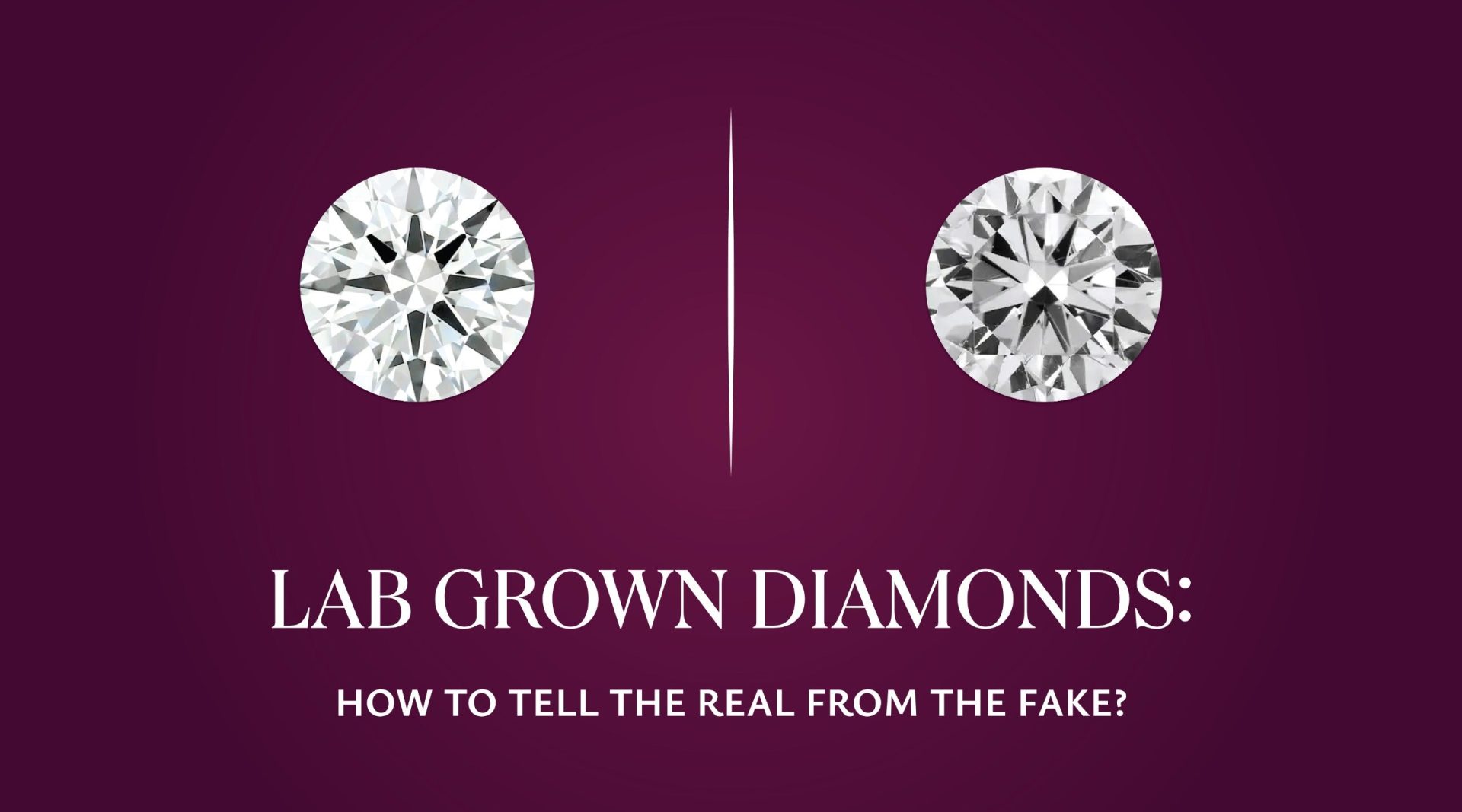
Lab-grown diamonds have increasingly entered the market as ethical and affordable alternatives to natural stones. Despite their environmental and cost benefits, they currently do not hold comparable value appreciation or resale appeal to natural diamonds. Most investors view lab-grown stones more as lifestyle or budget choices rather than reliable investment vehicles.
To understand the nuances between artificial and natural diamonds and their investment implications, detailed explorations such as natural vs. lab-grown diamonds offer essential perspectives.
Does Diamond Value Appreciate Over Time?
The diamond market is influenced by multiple variables including demand trends, gemstone quality, and rarity. While select diamonds, especially those with exceptional features or certifications, may appreciate, many do not exceed their original purchase value after retail markups are factored in. In periods of economic turbulence or inflation, diamonds can provide a hedge comparable to other alternative investments but investors must adopt a long-term horizon.
Strategic Considerations for Incorporating Diamonds into a Portfolio
Integrating diamonds into an investment portfolio should be approached with clear goals and realistic expectations. They are best suited for diversification alongside traditional financial assets, capable of adding tangible and aesthetic richness to holdings. Accessing diamonds through wholesalers or auction platforms can mitigate retail premiums and enhance investment efficacy.
Deep knowledge of market trends and certified selection remains critical. Investors inclined towards precious gemstones should continuously educate themselves on appraisal factors and market dynamics to maximize potential returns. Consulting experts and leveraging trusted certification can safeguard against market opacity and fraud.