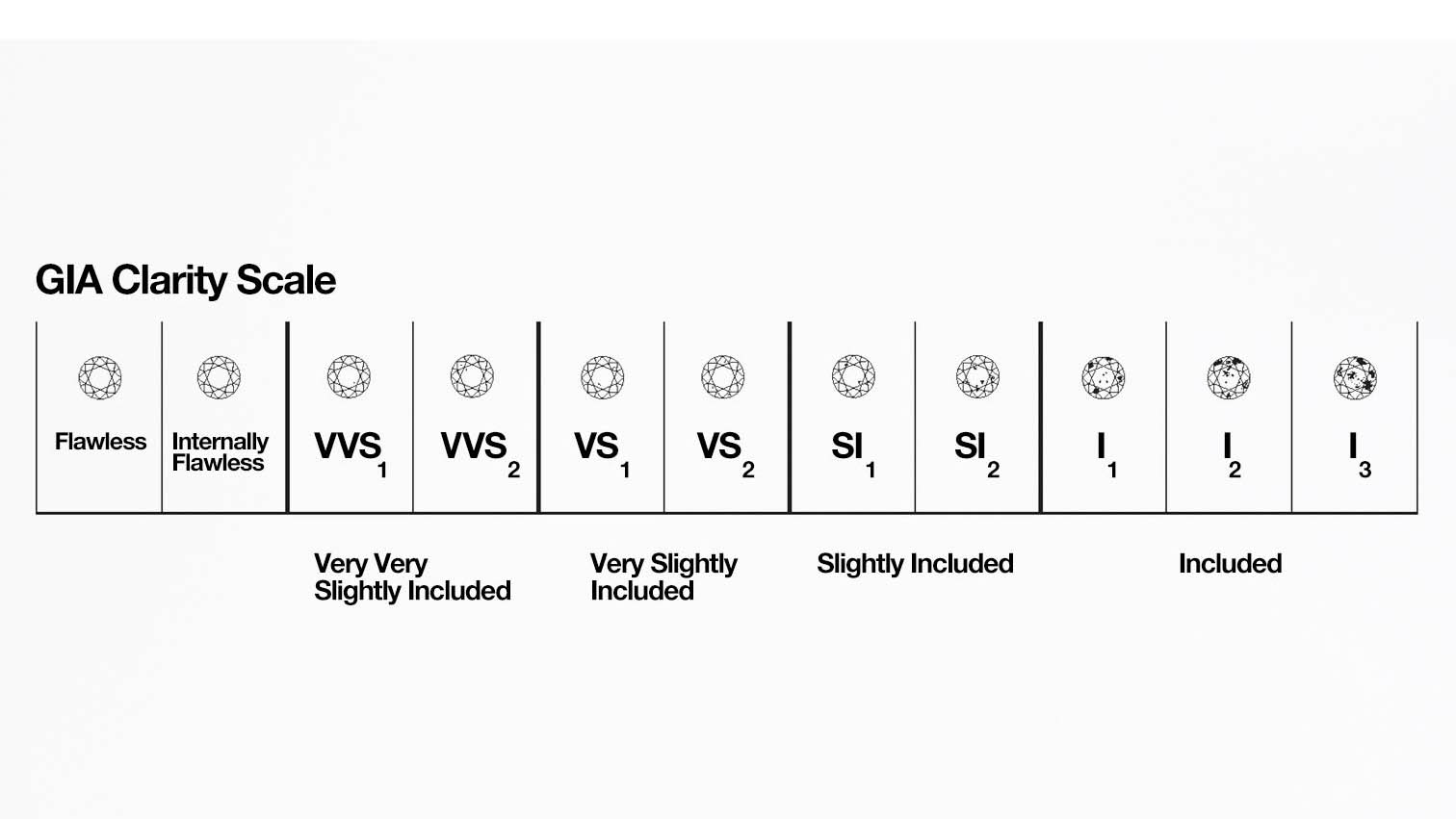
Diamond clarity is a critical factor that directly influences the overall value and aesthetic appeal of a diamond. In the realm of gemology, clarity refers to the presence of internal imperfections known as inclusions and external blemishes that may occur naturally during the formation of the diamond or as a result of external factors. These characteristics affect how light interacts with the diamond, thereby impacting its brilliance and rarity. The grading of diamond clarity is a sophisticated process that demands precision and expertise to accurately assess these subtle imperfections and categorize the stone accordingly.
Understanding the nuances of diamond clarity provides valuable insight for buyers, collectors, and professionals navigating the jewelry market. Clarity grading follows established scales such as those developed by the Gemological Institute of America (GIA), which classifies diamonds from flawless (FL) to various levels of visible inclusions (I1, I2, I3). Each grade encompasses specific criteria that factor into the market price and desirability of the gemstone. Consumers equipped with this knowledge can make more informed decisions, distinguishing between stones that may appear similar to the naked eye but differ significantly in their internal characteristics and market valuation.
How Diamond Clarity Levels Influence Market Value
The presence and visibility of inclusions typically decrease a diamond’s optical performance, which affects its sparkle and brilliance. Diamonds graded as FL or Internally Flawless (IF) command higher prices due to their rarity and pristine condition. Conversely, lower clarity grades such as Included (I) indicate more pronounced imperfections that can be seen without magnification, thus lowering the stone’s value. However, the impact of clarity on price is intricately linked to the diamond’s cut quality; an excellent cut can mask certain inclusions, preserving the gem’s visual appeal.
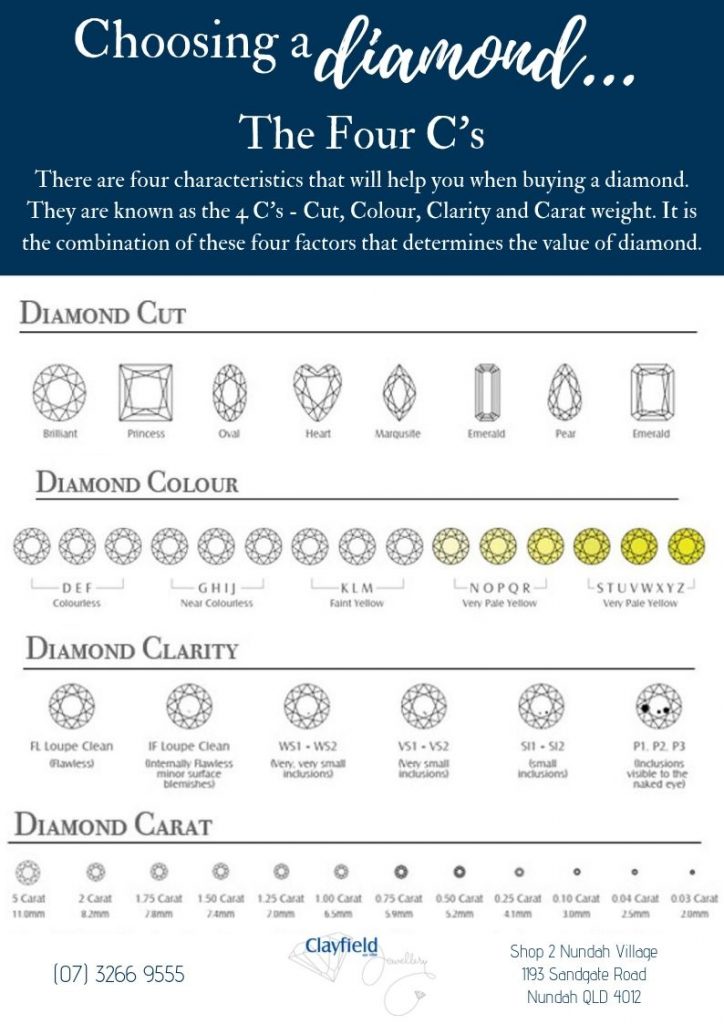
When evaluating diamonds, it is essential to consider how clarity interacts with other elements of the 4Cs (cut, color, carat weight). For detailed insights, exploring the comprehensive 4Cs framework proves indispensable. Additionally, references such as diamond cut shapes and their influence on brilliance serve to further contextualize clarity within the broader spectrum of diamond grading.
Scientific Basis for Clarity Grades
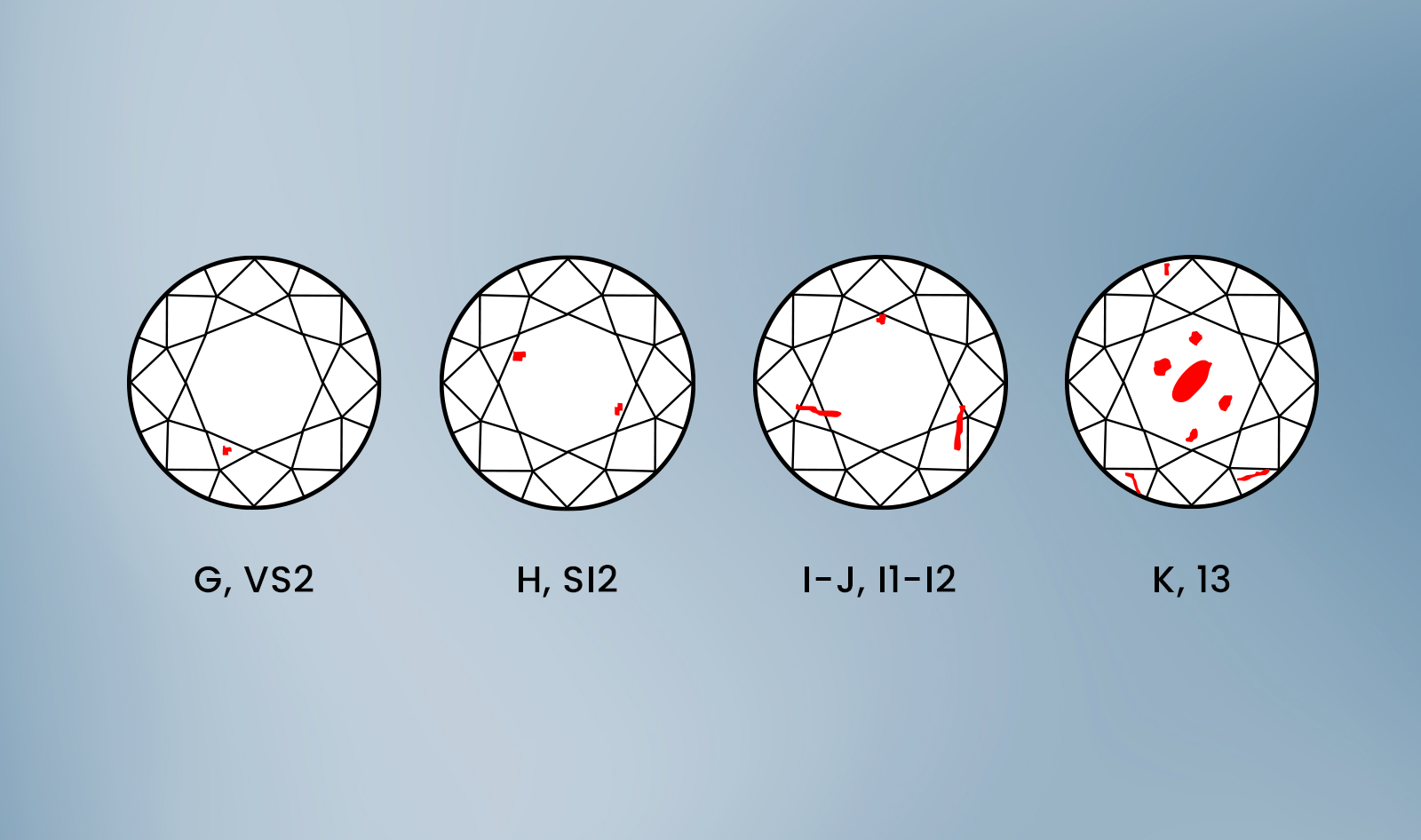
Diamond clarity assessment relies on magnified examination, traditionally using a 10x loupe, to identify inclusions such as crystals, feathers, clouds, and pinpoint spots. These features arise from natural geological processes during the diamond’s formation deep within the earth’s mantle. Understanding the science behind how these imperfections affect light refraction and reflection is critical; diamonds with fewer inclusions allow light to pass unfettered, maximizing sparkle and fire.
Research into diamond optics, as detailed in scientific studies on diamond brilliance, underscores the correlation between clarity and visual performance. Interestingly, certain inclusions may be strategically positioned or so minute that they do not detract from the stone’s perceived quality, supporting nuanced evaluation rather than a purely quantitative approach to clarity grading.
Economic and Emotional Value Tied to Clarity
The economic implications of clarity are closely tied to rarity—the fewer imperfections, the rarer and more expensive the diamond. High-clarity diamonds are often sought for investment purposes, with guides such as diamond investment strategies illustrating how clarity influences long-term value retention. Meanwhile, the emotional and symbolic aspects associated with diamonds encompass clarity symbolism explored in diamond meaning and significance, where purity and flawlessness metaphorically relate to strength and eternal love.
In the context of fine jewelry, clarity’s impact transcends mere valuation. It shapes design possibilities and consumer preferences. Highly transparent diamonds afford jewelers greater flexibility to craft exquisite pieces that highlight the stone’s natural beauty, as detailed in expert buying guides. Whether choosing a stone for personal adornment or as a family heirloom, understanding clarity’s influence is essential for appreciating a diamond’s full worth.
Visual Identification and Authentication of Clarity Grades
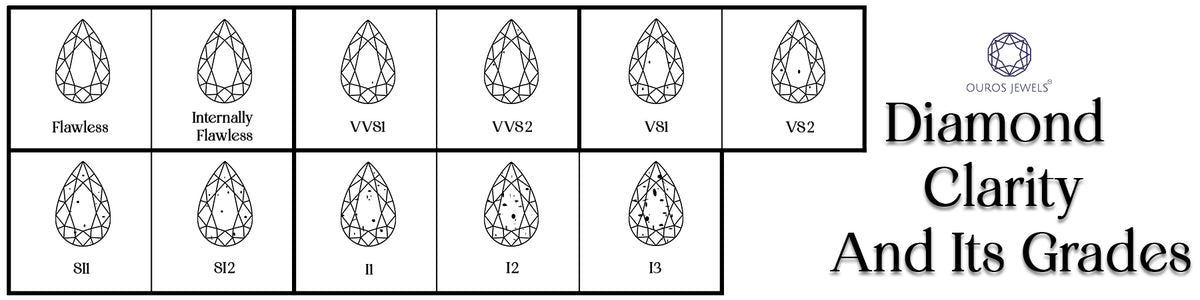
While professional grading requires specialized equipment, buyers can develop an informed eye to recognize clarity gradations by examining diamonds under magnification or comparing stones side-by-side. Resources like diamond authentication and identification guides offer practical tips that help distinguish between natural clarity traits and artificial enhancements.
Technological advances have also introduced digital clarity certification, equipping consumers and retailers with precise data. These methods ensure transparency and accuracy in the diamond market, facilitating trust and confidence in the purchase process. Validation from recognized laboratories reinforces this framework.
Clarity in Relation to Other Diamond Characteristics
Clarity cannot be fully appreciated in isolation. Its interplay with other characteristics such as color and cut must be evaluated collectively to assess a diamond’s true beauty. Top-tier cuts can compensate for minor inclusions, maintaining the visual brilliance expected from high-value diamonds. Conversely, a flawless diamond with a poor cut will fail to exhibit its full potential.
For enthusiasts and professionals seeking knowledge on the synthesis of diamond qualities, comprehensive guides on diamond properties provide valuable frameworks for integrated evaluation, ensuring selections align with both aesthetic desires and investment objectives.
Noteworthy Examples: Famous Diamonds and Their Clarity
Certain iconic diamonds demonstrate how clarity contributes to their legendary status. Renowned stones such as the Cullinan and the Hope Diamond exemplify the extraordinary quality that clarity imparts, alongside other gemological factors. The world’s most famous diamonds offer case studies that emphasize the multifaceted impact of clarity on global recognition and value.