Diamond trends in contemporary jewelry for 2026 reveal a sophisticated blend of minimalist design, ethical innovation, and versatile aesthetics that resonate with modern consumers. The shifting preferences towards geometric minimalism, organic forms, and asymmetrical balances demonstrate a clear movement away from purely traditional styles and towards more personalized, aesthetically progressive pieces. Consumers are increasingly drawn to jewelry that reflects their identities, environmental consciousness, and dynamic lifestyles, with preferences favoring sustainable sources and lab-grown diamonds.
Key developments include the resurgence of warm metals such as rose and yellow gold, the creative integration of mixed-scale diamonds, and a rising demand for color diamonds and alternative stones. These trends not only broaden the design vocabulary but also emphasize luxury with a conscious approach. This trend awareness, combined with the expert guidance of established jewelers, ensures pieces that are at once contemporary and timeless, meeting the style aspirations of an increasingly diverse and discerning clientele.
Exploring Cutting-Edge Diamond Designs and Emerging Aesthetic Preferences
Contemporary diamond jewelry in 2026 pivots towards geometric minimalism characterized by clean lines and architectural forms, appealing to a modern sensibility that endorses simplicity with underlying sophistication. This design language allows for angular settings that highlight the brilliance of diamonds without overwhelming their natural beauty. In parallel, organic shapes inspired by nature bring fluidity and authenticity to pieces, incorporating flowing curves and naturalistic details that reflect environmental consciousness.
Innovative Integration of Scale and Asymmetry for Dynamic Visual Impact
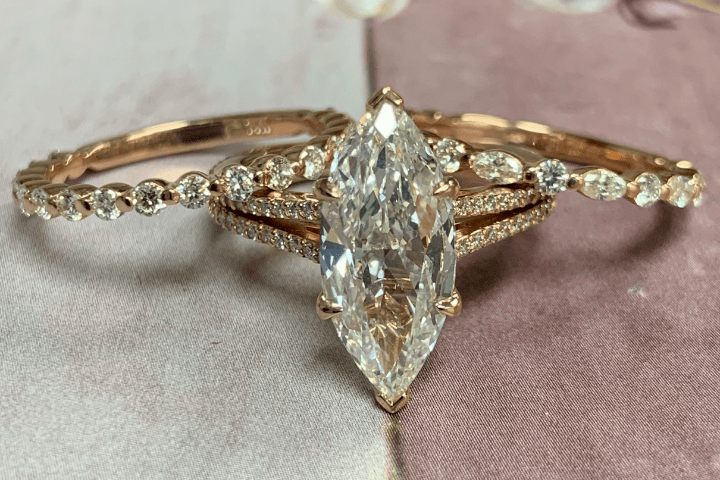
The 2026 design landscape embraces asymmetrical balance, challenging traditional symmetry by combining diamonds in intriguing, thoughtfully balanced compositions. This approach fosters sophisticated visual interest and heralds a creative evolution in jewelry crafting. Meanwhile, the mixed-scale diamond integration trend introduces a deliberate contrast in diamond sizes within a single piece, enhancing textural richness and enabling bespoke artistic expression.
Metal and Setting Innovations Elevating Diamond Brilliance and Functionality
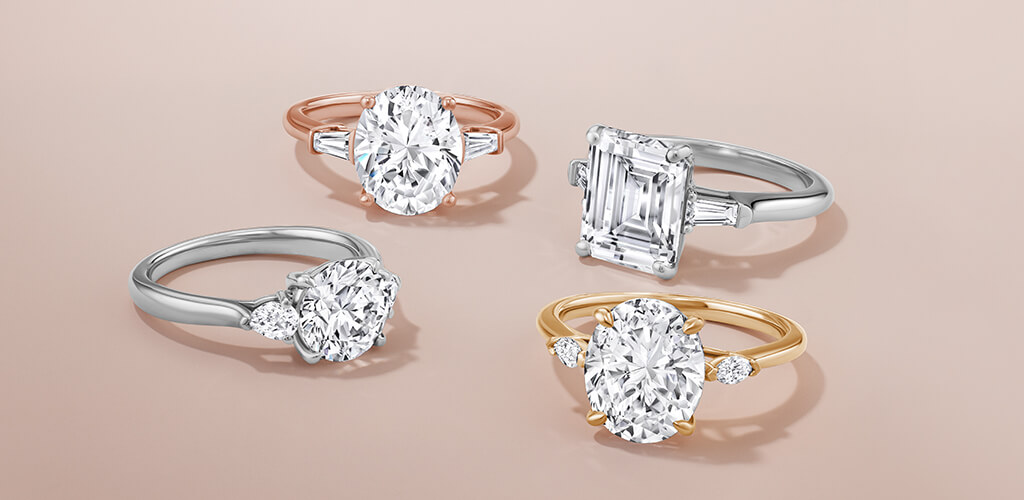
Innovative use of metals defines a significant facet of the 2026 jewelry trends. The return and rising preference for rose gold and warm tones impart romantic sophistication and contrast beautifully with diamond clarity. Conversely, blackened metals lend dramatic edge and intensify diamond brilliance through darkened contrasts, appealing to those favoring bold modernity.
Textured surfaces and tactile metal finishes heighten sensory experiences and provide dimensional depth, making each piece uniquely engaging. Importantly, the rising prominence of sustainable and recycled metals reflects consumer demand for ethical practices, ensuring that responsible sourcing accompanies aesthetic innovation. For informed choices on ethical sourcing, readers may consult resources dedicated to ethical diamond sourcing and environmental impacts of mining.

Colorful Diamonds, Lab-Grown Innovations, and Lifestyle-Driven Designs
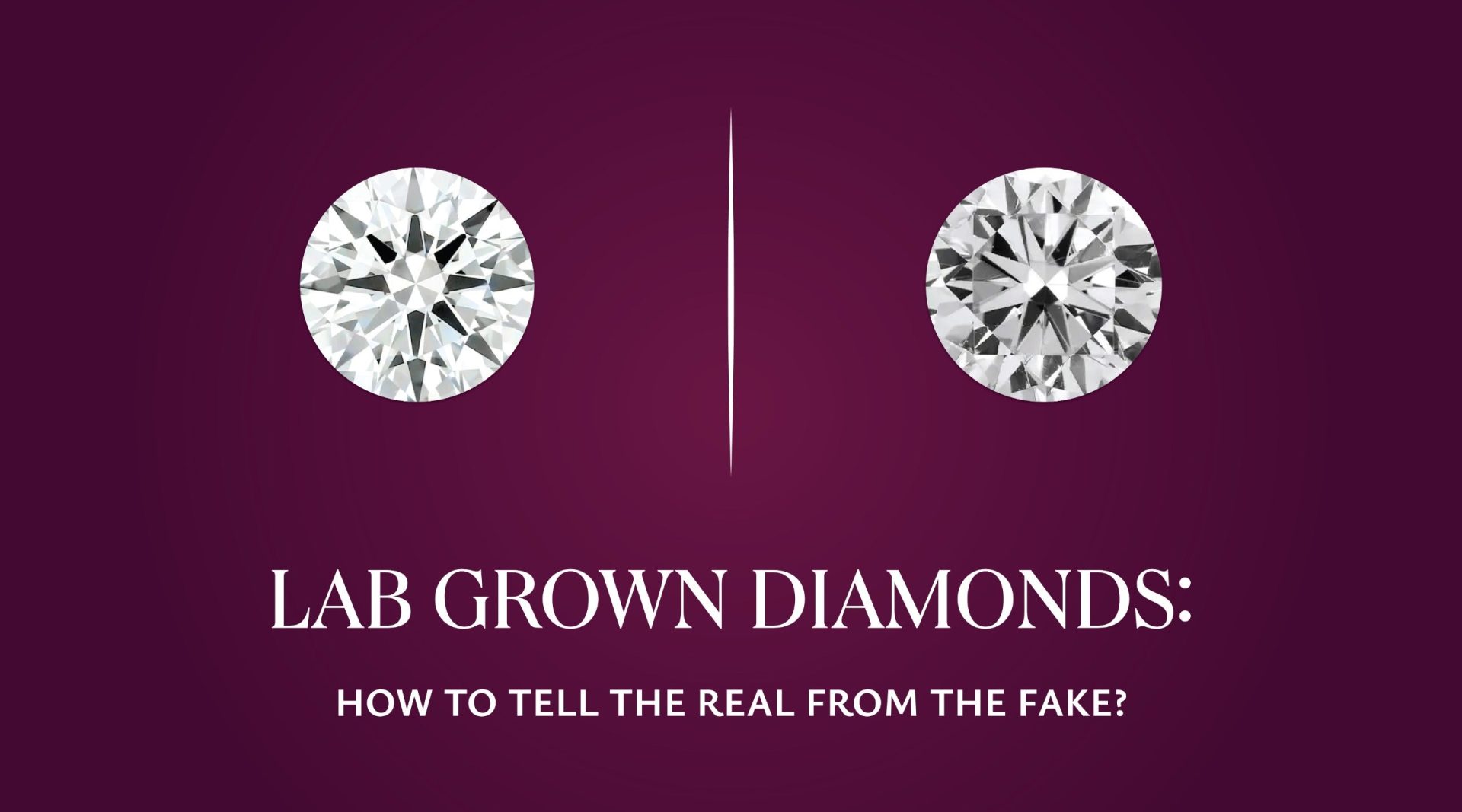
The embrace of fancy color diamonds such as pink, yellow, and champagne varieties signals a growing acceptance and desire for uniqueness in diamond jewelry. These stones integrate seamlessly with traditional white diamonds or alongside colored gemstones, enriching collections with vibrancy and individual character. In parallel, laboratory-grown diamonds have transitioned from niche to mainstream, offering ethical and economically attractive alternatives without compromising on brilliance, further highlighted in discussions on lab-grown versus natural diamonds.
Designs also reflect evolving lifestyles with jewelry optimized for everyday luxury and modularity. Stackable rings, layered necklaces, and convertible pieces cater to personalization and versatility. Gender-neutral designs rise in prominence, mirroring societal shifts towards inclusivity and challenging traditional categorizations. For those interested in ensuring lasting radiance, diamond jewelry care tips provide essential knowledge for maintenance and preservation.
Adapting to Changing Scales, Proportions and Rejecting Outdated Norms
Jewelry scale preferences in 2026 diverge between bold statement pieces boasting oversized architectural proportions and delicate layering that encourages customization and subtlety. Consumers seek pieces that make confident statements yet allow for personal styling flexibility. The micro-setting technique advances craftsmanship, enabling intricate and detailed designs that speak to luxury and technical expertise.
Meanwhile, trends moving out of favor include overly ornate vintage reproductions, exclusive white diamond use, and rigid formality restricting jewelry to specific occasions. The contemporary wearer prefers versatile, ethical, and distinctive designs that balance tradition with innovation, as further explored in insights about diamond cuts and shapes and the graded 4Cs.
Market Influence and Expert Guidance for Trend-Adaptive Jewelry Selection
The discerning jewelry community in places like Jupiter reflects early adoption of these evolving diamond trends, combining trend leadership with timeless refinement. Industry experts provide vital consultation to ensure consumers can navigate the complex market, balancing emerging styles with personal taste and cultural considerations.
Established jewelers like Golden Anvil Jewelers leverage their extensive market experience to forecast trends, offer custom design integration, and educate clients. These services are critical in a landscape where jewelry is both a style statement and an ethical investment, topics thoroughly addressed in advice on investment in diamonds and avoiding pitfalls highlighted in spotting diamond scams.