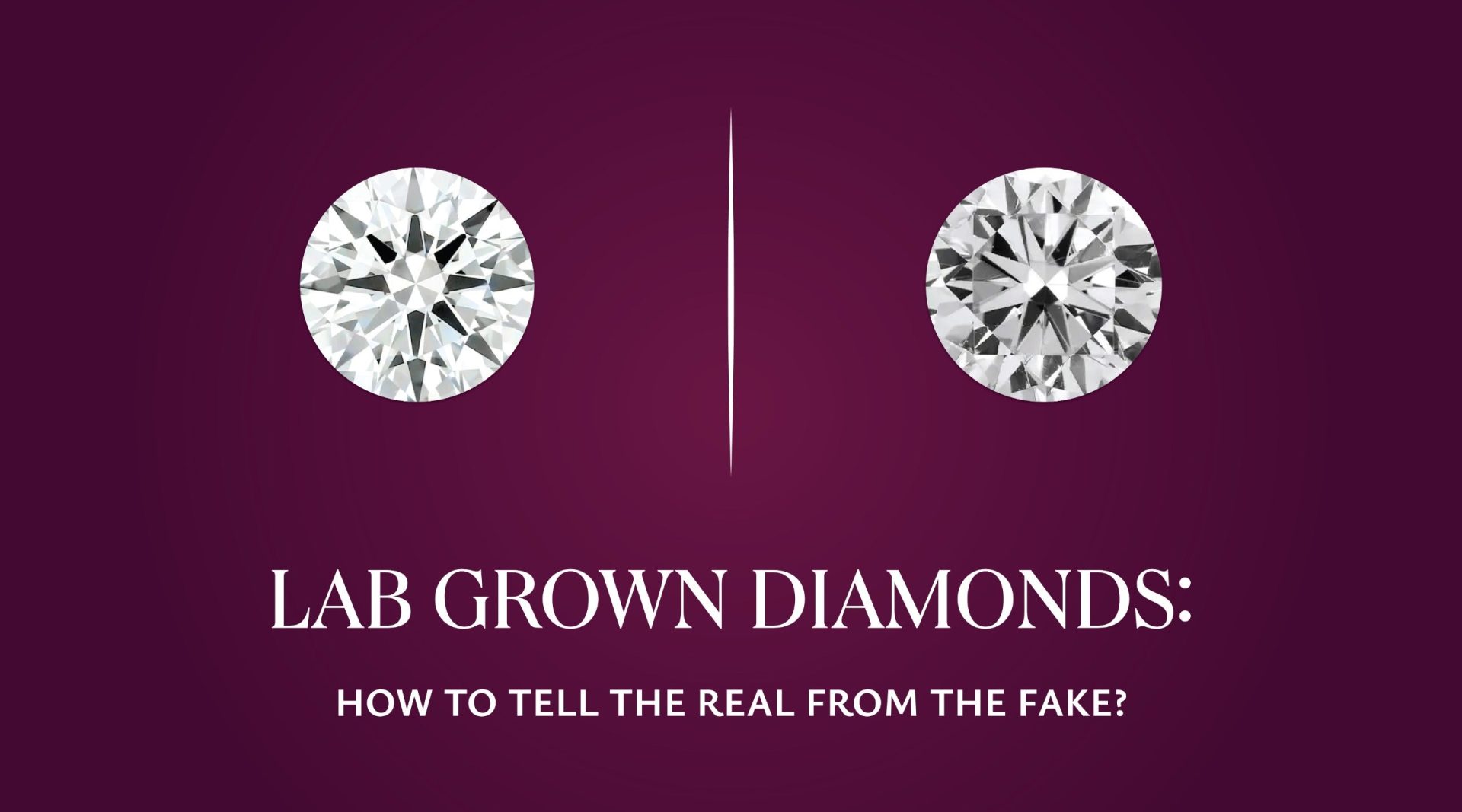
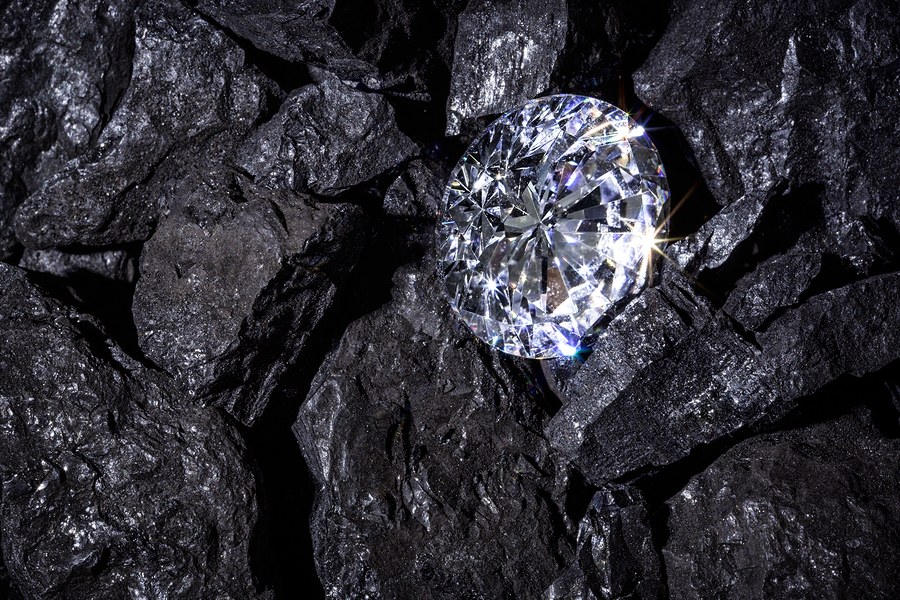
Diamonds have traced a remarkable journey through human history, capturing both imagination and reverence from ancient times to modern-day luxury. Originating deep within the Earth’s mantle some 900 million years ago, these rare crystalline forms first enchanted civilizations in India over 4,000 years ago, evolving from natural octahedral crystals into expertly cut gems that symbolize power, love, and eternity. The discovery of diamond deposits in places like South Africa in the 19th century revolutionized the gemstone’s accessibility, transforming diamonds from royal exclusives into coveted items across the globe. Throughout centuries, these gems have adorned crowns, inspired cultural symbolism, and spurred legendary rushes, carving a unique niche in human legacy. Emerging ethical sourcing practices and technological advancements now refine the diamond industry, marrying rich tradition with responsible innovation.
In brief:
- Ancient origins: Diamonds first surfaced in India, where they were revered for strength and divine power.
- Cutting evolution: Lodewyk van Bercken’s 1476 faceting technique revolutionized diamond brilliance.
- Royal symbolism: Iconic royal gems like Queen Elizabeth II’s engagement ring reflect enduring traditions.
- Global rushes: South African discoveries in 1866 catalyzed massive diamond mining ventures.
- Modern ethics: The Kimberley Process and blockchain tracking ensure diamonds today are responsibly sourced.
Early Diamond Discoveries and Geographical Origins
Earth’s deepest natural processes birthed diamonds around 900 million years ago, with the earliest human encounters rooted in India, where mines such as the famed Golconda region produced these precious stones as early as 800 BC. Emerging from kimberlite pipes, these gems were cherished not only for their beauty but also for their believed protective and spiritual powers. Long before diamonds reached Europe via Alexander the Great’s campaigns in 327 BC, they were integral to Indian and later Egyptian societies—often set in amulets or royal ornaments that signified invincibility and divine favor. These precious stones embarked on the Silk Road journey, linking distant civilizations through their allure and symbolism.
Diamond Symbolism in Antiquity and Classical Civilizations
In India, diamonds were associated with purity and eternal strength, reflective of their natural resilience. The Greeks and Romans imbued diamonds with mythological significance, often considering them as “tears of the gods” or fallen stars, enhancing their mystique and connection to love through Cupid’s legendary arrows. Ancient physicians attributed healing properties to diamonds, believing they could ward off maladies when worn or even ingested, a practice persisting into the Middle Ages. This blend of spiritual and practical reverence established diamonds as multifaceted treasures, transcending mere ornamentation.
The Transformative Impact of Diamond Cutting Techniques
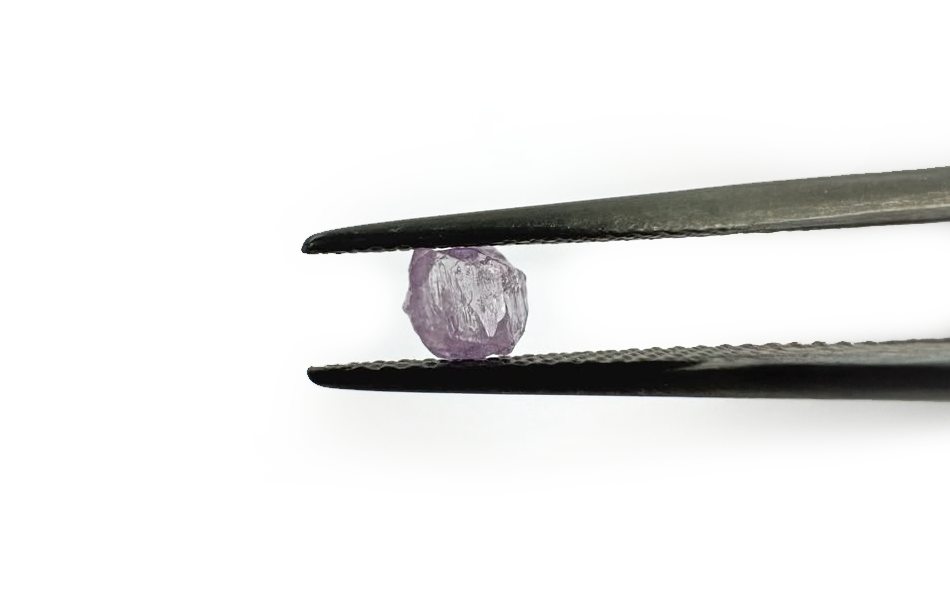
The art and science of diamond cutting developed dramatically since 1476, when Lodewyk van Bercken introduced the scaif—a polishing wheel that enabled symmetrical faceting. This innovation allowed diamonds to reveal unprecedented brilliance and fire. Earlier, Indian artisans worked with natural octahedral shapes, but the perfected facets realized in later centuries transformed rough crystals into masterpieces. Subsequent cutting advancements, including the rise of the rose cut during the 1600s and the brilliant cut conceptualized by Tolkowsky in 1919, optimized light reflection and stone aesthetics. Today’s diamond cutting employs laser technology that achieves precise crystallographic angles to amplify sparkle and enhance value, pivotal knowledge when considering diamond cuts and shapes.
From Rough Stone to Brilliance: The Evolution of Faceting
This progression in cutting not only elevated the gem’s visual appeal but also influenced market preferences and valuation. Mastery of clarity and facet precision largely determines a diamond’s worth, as outlined in the comprehensive 4Cs grading system, an industry standard guiding appraisal and consumer choices. Experienced gemologists and jewellers rely on nuanced variations in cut quality to unlock a diamond’s intrinsic sparkle potential, thus sustaining the gemstone’s prestigious reputation.
Royal Associations and Cultural Significance of Diamonds
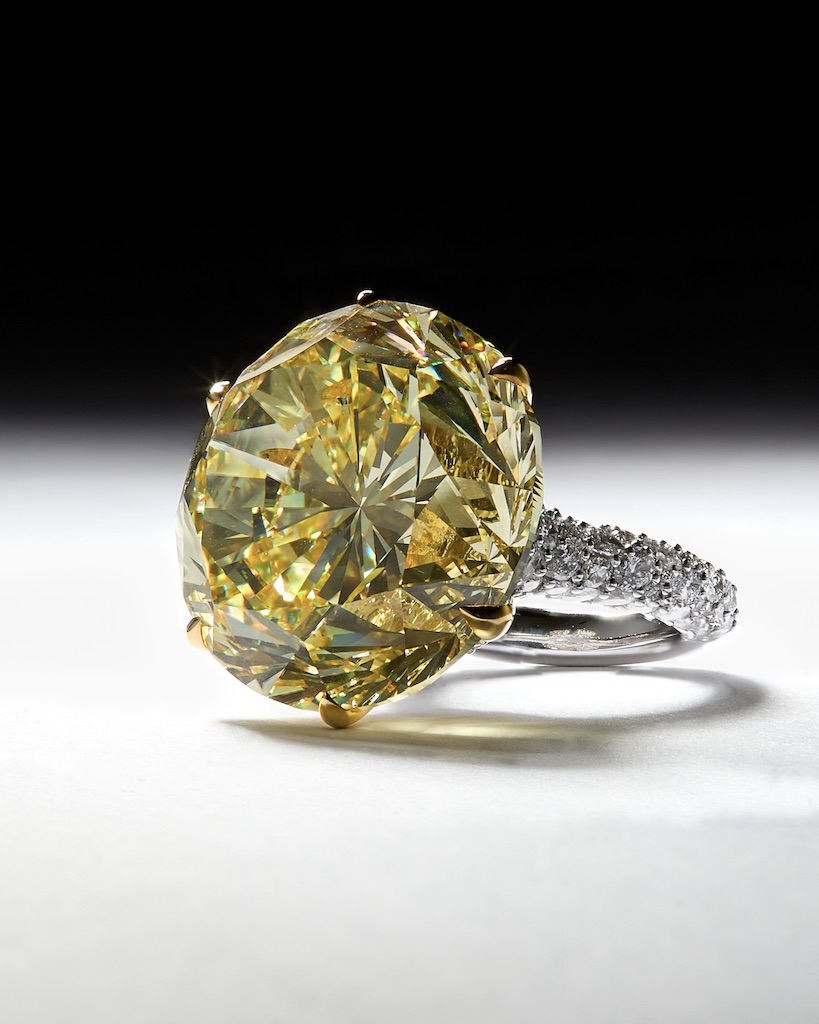
Throughout history, diamonds have symbolized royal power and eternal love, with notable examples shaping cultural customs worldwide. The first recorded diamond engagement ring was presented in 1477 when Archduke Maximilian of Austria gifted Mary of Burgundy a ring, initiating a tradition that endures to this day. Royal jewels like Queen Elizabeth II’s engagement ring, crafted from family heirloom diamonds, reinforce the precious gem’s role in legacy and identity. The dazzling Cullinan diamond, discovered in South Africa, was masterfully cut into several magnificent stones, many adorning British Crown Jewels such as the Sovereign’s Sceptre, demonstrating mining discoveries’ profound impact on royal collections.
Contemporary royal rings, including those of Princess Diana and Kate Middleton, illustrate the enduring symbolism of diamonds in matrimonial rites, while also influencing global jewellery trends. These traditions are linked to historical narratives but evolve with modern craftsmanship and consumer expectations.
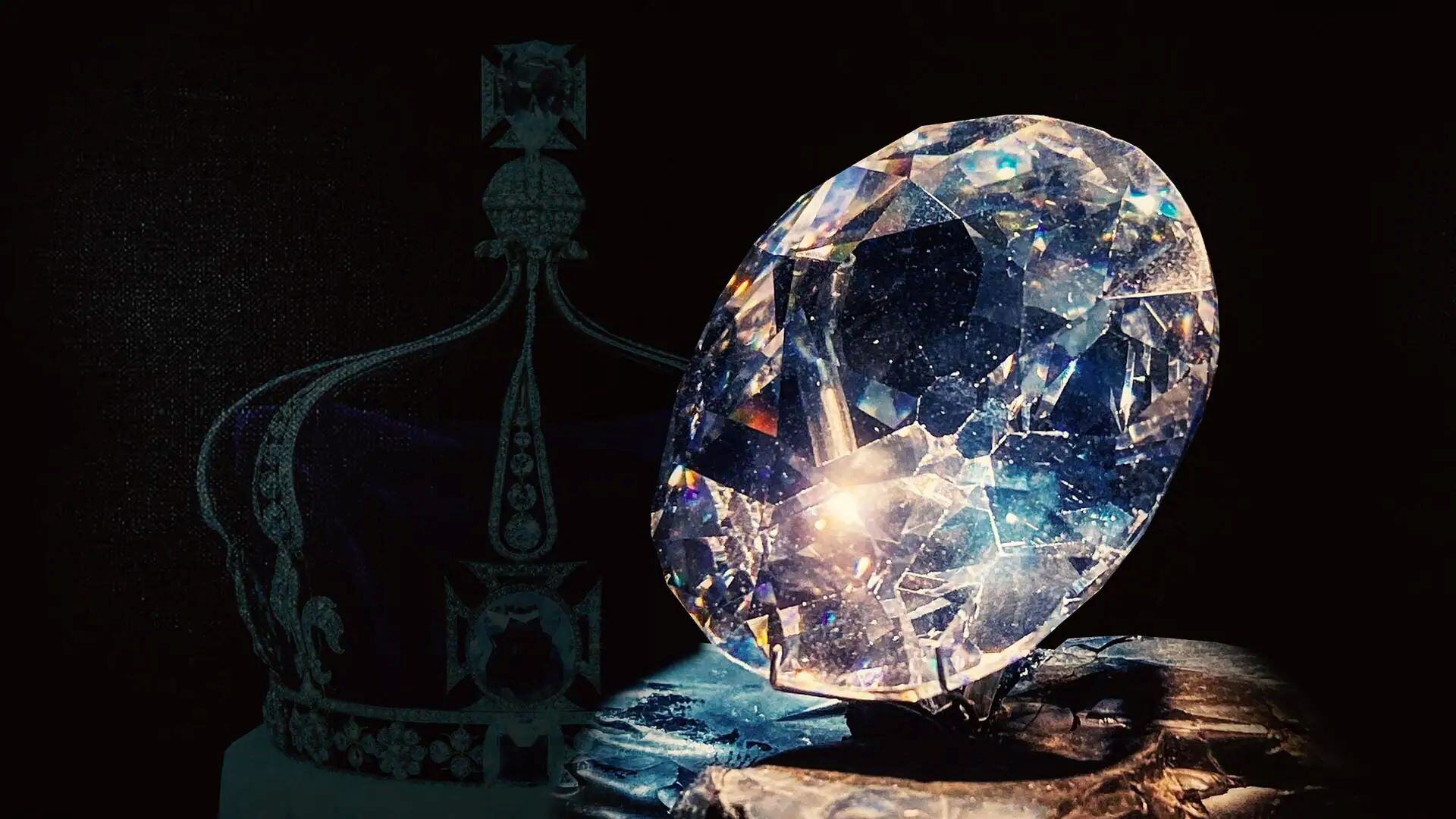
Historic Diamonds With Stories That Outshine Time
Famed jewels like the Hope Diamond and rare colored diamonds such as the Argyle Violet continue to capture public fascination owing to their mythical tales, exceptional rarity, and unique characteristics. These gemstones not only reflect geological marvels but also bear legends of curses, romances, and political power plays. Their provenance often spans continents and centuries, intertwining with human ambition and artistry.
The Global Diamond Rushes and Their Historical Legacy
The explosive discovery of diamonds in South Africa’s Kimberley in 1866 marked a turning point in diamond history. The resulting rush triggered economic transformations and the rise of major industry players like De Beers, which controlled a vast share of global diamond production by the early 1900s. This expansion shifted diamonds from exclusive treasures to aspirational symbols for a broader audience. Similar rushes later unfolded in Canada’s Arctic and Australia’s Argyle mine, each adding unique gems to the market and heritage.
These mining booms also ushered in challenges concerning environmental stewardship and ethical sourcing. Modern initiatives seek to limit ecological impact and promote transparency through frameworks like the Kimberley Process and advanced supply chain tracking technologies. Such measures offer consumers confidence in the provenance of their purchases, aligning with growing demand for responsibility in diamond sourcing and trade.
Contemporary Mining and Sustainable Practices
Currently, countries like Russia and Botswana dominate the mining landscape, with mines such as Yakutia’s and Jwaneng producing substantial carat yields under strict environmental standards. The intersection of technological innovation and ecological consciousness defines the latest chapter in diamond mining, preserving resources while supporting local communities. For consumers, understanding this contextual background enriches appreciation when choosing a diamond and informs decisions backed by sustainability awareness.
Preserving and Caring for Diamond Jewelry in the Modern Era
Maintaining the brilliance and integrity of diamond jewelry demands informed care. Practical tips include gentle cleaning methods, careful storage to avoid scratches, and routine professional inspections. These practices extend the life of precious stones and safeguard investments. In 2025, expertise on gem care remains essential knowledge provided to consumers, ensuring gemstones retain their radiance over generations. For detailed guidance, resources like diamond jewelry care tips offer valuable instruction on preservation techniques and best practices.