
Colored diamonds, often overshadowed by their colorless counterparts, embody a fascinating convergence of nature’s artistry and enduring value. These gems, ranging from subtle pinks to vivid blues, captivate not only jewelry aficionados but also discerning investors looking for unique assets. The intrinsic beauty of colored diamonds arises from rare geological occurrences where trace elements or lattice distortions infuse the stones with exceptional hues. Unlike standard white diamonds graded on clarity of color, colored diamonds are evaluated based on hue intensity and saturation, signaling their rarity and commanding significant market premiums. Amid shifting consumer preferences and evolving market dynamics in 2025, understanding how color grading correlates with a diamond’s desirability and resale value is crucial. This exploration unpacks the nuances behind colored diamond grading, reveals the scientific factors influencing coloration, and examines how rarity directly affects pricing in luxury and investment markets.
In brief:
– Colored diamonds derive their unique hues from natural impurities and structural changes during formation.
– Rarity and intensity of color significantly influence their grading and market value.
– Natural colored diamonds command higher prices and resale value compared to treated stones.
– Pink, blue, red, and violet diamonds are among the rarest and most valuable.
– Grading systems for colored diamonds prioritize color intensity terms like ‘fancy vivid’ that denote higher rarity and worth.
Understanding the Science Behind Colored Diamonds and Their Market Impact
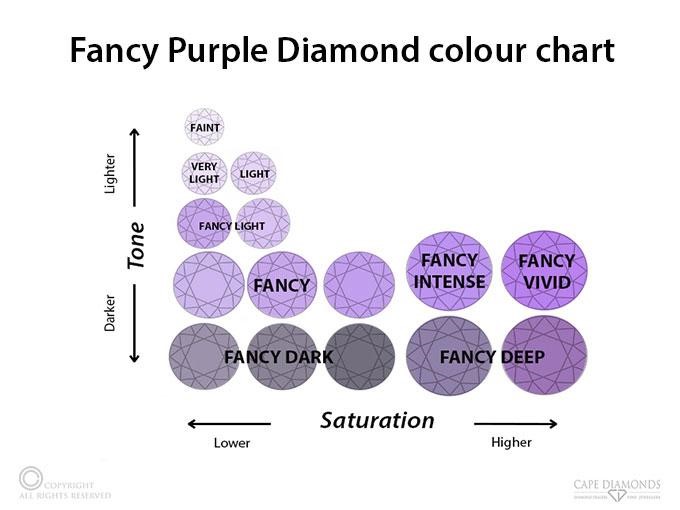
Diamonds typically conjure images of pristine whites, but the spectrum of colored diamonds tells a more intricate story rooted in geological anomalies. The presence of trace elements such as boron or nitrogen, or natural radiation exposure, alters the diamond’s crystal lattice to produce hues ranging from blues to yellows, greens, pinks, and reds. Unlike traditional diamonds graded on how colorless they are—from D to Z—colored diamonds utilize a different evaluation spectrum focusing on color intensity and saturation, terms recognized by authoritative bodies like the Gemological Institute of America (GIA). This grading, encompassing categories such as fancy light, fancy intense, and fancy vivid, is pivotal in establishing both intrinsic beauty and market valuation.

Why Color Grading Determines Rarity and Value
Color grading is essential because it reflects the rarity of a gemstone’s hue. For example, a pink diamond categorized as “fancy vivid” indicates a richer and more saturated tone than “fancy light“, thereby attracting higher demand and significantly increasing its resale value. The same principle applies across various colors. This level of grading helps buyers and investors discern authentic rarity from visually similar but less valuable stones. Furthermore, natural colored diamonds contrast sharply with treated or lab-enhanced stones whose altered hues lack the enduring market appeal or heritage value found in naturally colored diamonds. This distinction ensures that clients investing in colored diamonds, whether for personal collections or asset diversification, are making informed decisions backed by scientific grading and market realities.
Types of Colored Diamonds: Characteristics, Rarity, and Market Preferences
The palette of colored diamonds is diverse, yet certain hues have far rarer and more consistent market appeal. Pink diamonds have seen a remarkable surge in value due to their scarcity and romantic reputation, while blue diamonds captivate with their calming tones derived from boron impurities. Yellow diamonds offer a brighter and more accessible entry point for collectors, especially when the color is vivid. Green diamonds, created through natural radiation, are some of the rarest and thus highly sought after. Red and violet diamonds are exceptional finds, often fetching astronomical prices at auctions due to their extreme rarity. Each color expresses a unique geological narrative and possesses distinct allure, shaping investors’ and collectors’ preferences worldwide in 2025.

Natural vs. Treated: Ensuring True Value in Colored Diamond Investments
Distinguishing between naturally colored diamonds and those artificially enhanced remains critical when assessing value. Treated stones—altered through heat or radiation—may resemble natural gems but do not share the same rarity or value retention. Natural colored diamonds are valued not only for their color but also for the strict provenance linked to millions of years of formation within the Earth’s mantle. The marketplace rewards this natural origin; hence, sellers benefit from accurately representing their stones’ authenticity, and buyers can avoid the pitfalls of overpaying for treated gems. Reliable expert evaluations, such as those offered by reputable jewelers, are indispensable in protecting investment security and maximizing resale potential.
Evaluating Resale Value: The Role of Color in Market Performance
Resale valuation of colored diamonds correlates strongly with color intensity, rarity, and market trends. Fancy vivid grades are consistently prized, commanding premium prices in global auctions and private sales. For instance, a deeply saturated blue diamond frequently surpasses lighter counterparts in price—even if both weigh the same carat size. Pink diamonds’ market appreciation is bolstered by limited supply and increasing desirability among luxury consumers. Even yellow diamonds, when displaying powerful color saturation, outperform many white diamonds in resale value. This interplay between rarity, aesthetics, and market demand underscores the importance of understanding diamond color when buying or selling high-end jewelry. Knowledgeable buyers avoid common misconceptions about diamonds by consulting resources on diamond myths and realities, while sellers can optimize returns by leveraging awareness of nuanced market demands.
Enhancing Decision-Making with Expert Guidance and Symbolism
Making informed decisions in the colored diamond market extends beyond technical grading to encompass symbolic meanings and personal preferences. Understanding the rich symbolism and cultural significance behind diamond colors can enrich the buying experience and contribute to the gem’s emotional value. Furthermore, expert consultation in selecting the perfect ring or investment-grade diamond helps align the purchase with aesthetic desires and financial objectives. Comprehensive guidance ensures transparency and satisfaction throughout the transaction, whether purchasing for bridal reasons or investment.
For those contemplating selling or acquiring colored diamond jewelry, exploring ways to choose the ideal gemstone can substantially aid in appreciating the subtle distinctions vital for value retention and enjoyment.