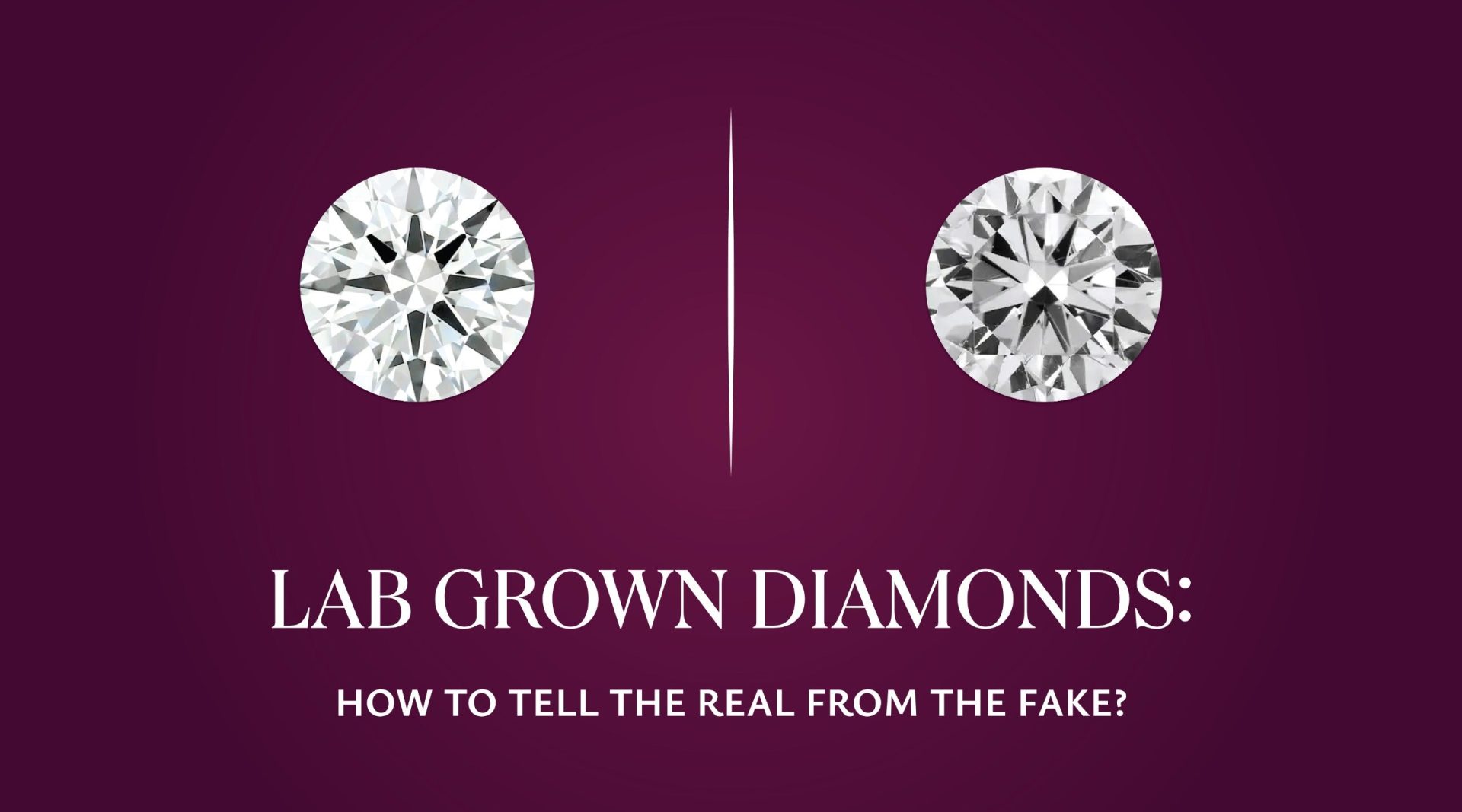
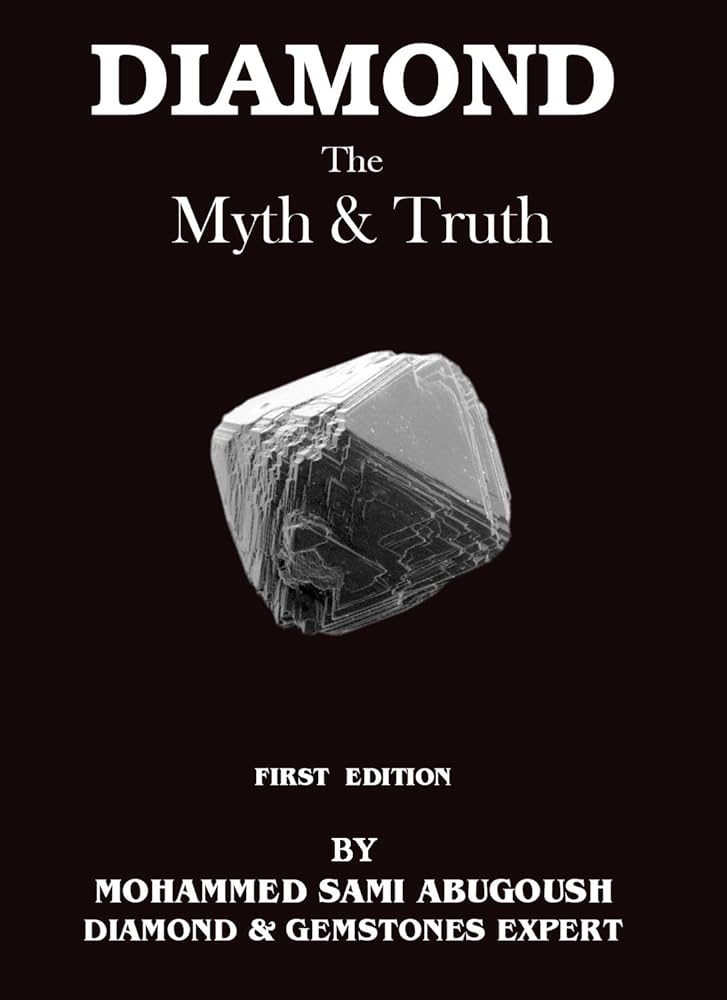
Diamonds captivate with their brilliance and prestige, yet numerous myths distort public understanding of these precious stones. In 2025, discerning buyers must navigate layers of misconceptions shaped by history and industry narratives. Contrary to popular belief, diamonds are not as rare as widely assumed; the controlled supply chain cultivates an illusion of scarcity to sustain high valuations. Moreover, the advent of lab-grown diamonds, indistinguishable to the untrained eye from natural ones, challenges the assumption that all diamonds originate solely from mines. This evolving landscape calls for clarity beyond sparkle, urging consumers to discern facts from fiction regarding diamond value, origin, and characteristics.
In brief:
- Diamonds are more abundant than perceived; rarity is often a market construct.
- Lab-grown diamonds replicate natural ones and provide affordable alternatives without ethical concerns.
- Colored diamonds are generally less valuable than colorless counterparts due to grading scales.
- Perfectly flawless diamonds are extremely rare; inclusions are common and factored into pricing.
- Diamonds do not originate from coal despite sharing carbon as a basic element.
- Carat weight is one of multiple critical factors, together with cut, color, and clarity, determining diamond value.
- Despite their hardness, diamonds can chip or break under certain conditions.
- Diamonds serve industrial and cosmetic purposes beyond jewelry due to their unique physical properties.
- Many other gemstones can surpass diamonds in price and rarity.
- Technological advances enable diamonds to conduct electricity, expanding their applications.
Understanding the True Rarity and Supply of Diamonds in 2025
The belief that diamonds are extraordinarily rare is deeply ingrained. However, the diamond industry rigorously manages the supply to maintain an aura of scarcity, thereby supporting elevated market prices. True scarcity resides primarily in top-quality stones with excellent clarity and colour grades, whereas the overall availability of diamonds is higher than generally acknowledged. This careful regulation shapes consumer perception and preserves diamond desirability as symbols of wealth and love. Scientific studies confirm that the geological processes forming diamonds produce them in more substantial quantities than popularly imagined, albeit distributed unevenly across the globe. Consequently, the rarity myth is less about inherent scarcity and more about strategic market control.

Lab-Grown Diamonds: Evolution Beyond Natural Origins
Traditionally, diamonds were exclusively sourced from natural mines, but the technological breakthroughs over recent decades have revolutionized diamond production. Lab-grown diamonds, manufactured through high temperature and high pressure (HTHP) or chemical vapor deposition (CVD) methods, perfectly mimic the molecular structure of natural diamonds. These advancements enable the creation of stones virtually indistinguishable from mined counterparts, challenging the long-held perception that all diamonds are natural. Lab-grown stones offer ethical and environmental benefits, as well as cost savings, expanding consumer choice. As of 2025, lab-grown diamonds represent a growing segment in the jewelry market, appreciated for their authenticity despite their synthetic origin. This shift underscores the need for buyers to educate themselves on diamond provenance when making informed purchases.
Clarity, Color, and Carat: Debunking Common Diamond Quality Myths
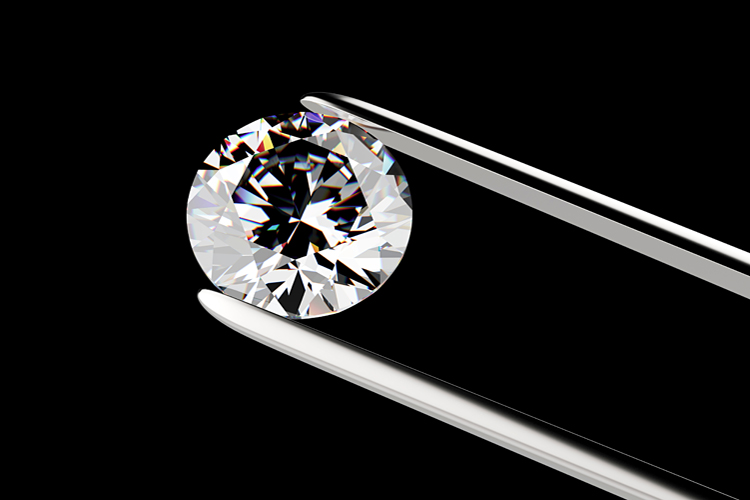
The pricing and valuation of diamonds are often oversimplified by the public through the singular lens of carat weight, but the reality is far more nuanced. The internationally recognized Gemological Institute of America (GIA) grades diamonds on four critical criteria: carat, color, clarity, and cut. Clarity assesses the extent of inclusions—minor internal flaws inevitable in natural diamonds—and only a minuscule fraction qualifies as internally flawless. While it might be intuitive to assume coloured diamonds command higher prices due to their unique hues, many coloured diamonds rate lower in clarity and thus, on average, are valued below high-grade colourless stones. Exceptional coloured diamonds with superior clarity stand as exceptions in the market. The diamond’s cut profoundly affects brilliance and value, highlighting the multifaceted considerations in diamond assessment beyond mere size.
Dispelling the Coal Origin Myth and Physical Vulnerability
The misconception that diamonds are formed from coal is scientifically inaccurate. Though both substances are primarily carbon, their atomic structures differ dramatically, resulting in contrasting physical properties: coal is brittle and matte black, whereas diamonds are the hardest natural material with remarkable lustre and durability. Despite their legendary hardness, diamonds are not invincible; they can chip or fracture if struck with sufficient force at vulnerable angles. Buyer awareness of this fact is crucial, particularly in insurance coverage, as many policies exclude damage caused by chipping and breaking. Understanding the physical limits of diamonds fosters realistic expectations and prudent care.
Expanding the Role of Diamonds Beyond Jewelry
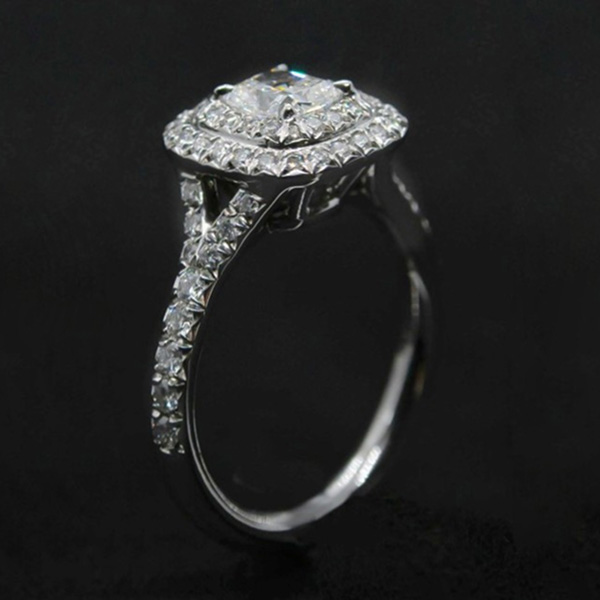
While diamonds are historically celebrated for their ornamental appeal, their application transcends aesthetics. Industrial use leverages the extreme hardness and precision cutting capability of diamonds in tools for cutting, grinding, and polishing, especially in automotive and manufacturing sectors. Furthermore, the cosmetic industry increasingly incorporates diamond-based products such as exfoliators and skin brighteners, often featuring micronized diamond dust. Celebrity endorsements have elevated awareness of these luxury beauty items, though their cost remains prohibitive for widespread adoption. Scientifically, recent innovations manipulate diamond properties to enhance electrical conductivity, with potential future utilization in electronics and advanced materials.
Comparing Diamond Value with Other Precious Stones
Despite their status as luxury icons, diamonds do not always reign as the most expensive gemstone. Rubies, emeralds, and sapphires often surpass diamonds in market price due to their rarity and historical significance. For example, sapphires can reach prices near $10,000 per carat, eclipsing the average diamond price of approximately $4,300 per carat. This knowledge empowers consumers to appreciate a broader spectrum of gemstone investment and aesthetic options. Recognizing that diamond’s popularity is a blend of tradition, marketing, and material properties enables more deliberate and educated purchasing decisions.