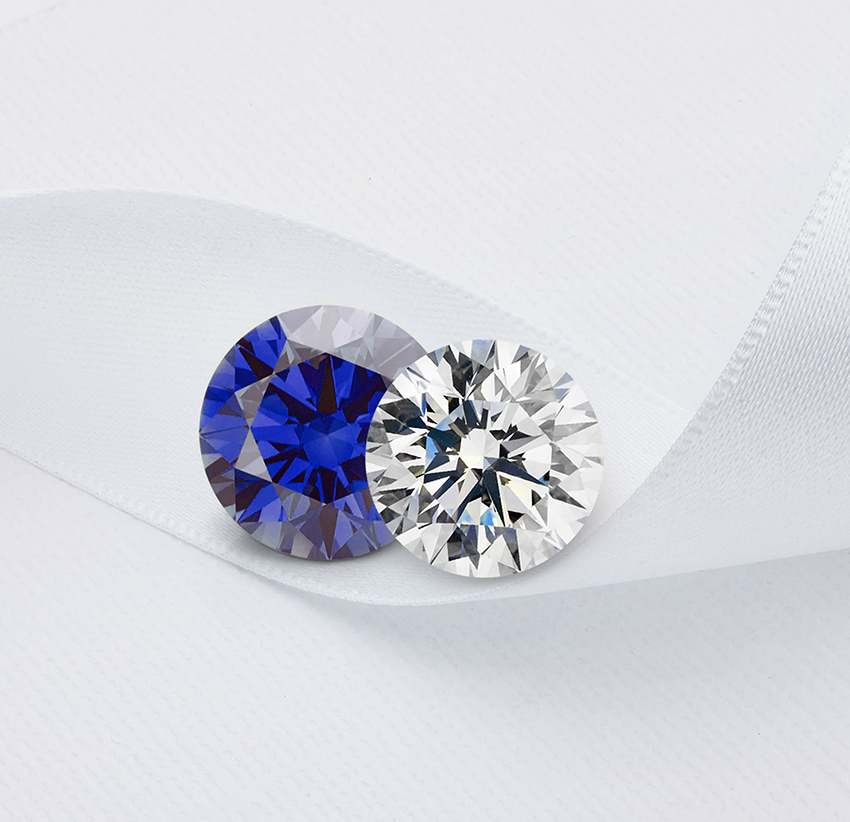
Gemstones have captivated human fascination for millennia, featuring prominently in royal regalia and personal adornment alike. Engagement rings, rich with symbolic value, often boast diamonds as the premier choice, though sapphires, rubies, and emeralds also offer vibrant alternatives that reflect individuality. While the allure and expense of these precious stones are widely recognized, the specific distinctions between diamonds and other gemstones are less commonly understood. Exploring these differences through a technical lens – covering formation processes, chemical makeup, and physical properties – reveals why diamonds hold a unique status in jewelry and industry.
From their subterranean origins deep within Earth’s crust to their refined presentation in jewelry stores, gemstones embody an extraordinary confluence of natural forces and human craftsmanship. Diamonds, for instance, crystallize nearly 100 miles beneath the surface under immense pressure, unlike other gemstones like rubies and sapphires formed in metamorphic rock closer to the crust. The interplay of elemental content and geologic environment results in stones of distinctive composition, color, hardness, and symbolic meaning. Gaining insight into these technical foundations empowers consumers to make informed choices when selecting gemstones for occasions as significant as engagements or heritage collection pieces.
In summary:
- Diamonds are pure carbon crystals formed under extreme pressure, making them the hardest known natural material.
- Other precious gemstones, such as sapphire, ruby, and emerald, are complex mineral compounds formed primarily in metamorphic rock environments.
- The Mohs hardness scale places diamond at 10, superior to corundum-based stones (ruby and sapphire) at 9.
- Color variation in diamonds is driven by trace impurities, while corundum variations depend on mineral inclusions like chromium or iron.
- Pricing dynamics vary: diamonds command high prices due to regulated supply and exceptional hardness, whereas colored gemstones exhibit broader price fluctuations based on clarity and market demand.
Geological Formation: Contrasting the Birthplaces of Diamonds and Other Gemstones
Understanding gemstone genesis begins with Earth’s layered rock composition. Igneous rocks, such as kimberlite, are the birthplace of diamonds. Magma emerging from deep mantle sources cools slowly beneath the surface, enabling carbon atoms to form the rigid 3D lattice that defines diamond’s unparalleled hardness. This process, occurring some 125 miles underground, yields rare stones of formidable durability.
In contrast, metamorphic rocks transform existing minerals under heat and pressure closer to the surface, giving rise to sapphires, rubies, and emeralds. This metamorphism alters mineral structures to foster colorful crystalline formations. Sedimentary rocks, formed from mineral-rich deposits, occasionally yield semi-precious stones like opals but do not typically produce diamonds or the principal precious stones.
Chemical Composition: Single Element vs. Compound Complexity
Diamonds are unique as they consist entirely of carbon atoms arranged in a crystalline lattice. This simplicity contrasts with the mineral complexity of other precious stones. Sapphires and rubies, for example, belong to the corundum family, essentially aluminum oxide, whose coloration arises from trace elements. Chromium imbues ruby with its famously vibrant red hue, while iron and titanium contribute to the rich blues of sapphires.
Emeralds derive their signature green from beryl infused with chromium and vanadium. This variation in chemical constituents directly influences optical properties, hardness, and value. The stark compositional differences manifest in both the physical properties and appraisal criteria for these stones.
Optical and Physical Properties Defining Value and Use
The extraordinary hardness of diamonds, rated 10 on the Mohs scale, surpasses the 9 rating of corundum stones. This property makes diamonds not only desirable for jewelry but also indispensable in industrial applications including cutting, grinding, and drilling. The purity and absence of inclusions dictate diamond clarity, with higher clarity driving premium pricing. Additionally, diamond coloration follows two principal scales championed by the Gemological Institute of America (GIA): the colorless scale (D to Z) and the fancy-color scale emphasizing rich body hues such as yellows and blues caused by trace elements.
Sapphires and rubies often feature inclusions that create unique phenomena like asterism, visible as star-shaped light patterns on cabochon cuts. Such optical effects add aesthetic appeal and influence valuation alongside color intensity and clarity. Emeralds tend to possess internal inclusions but command high prices when display vivid green hues and good transparency.
Comparatively, diamonds retain their high market value due to rigid supply controls and consistent demand for their superior brilliance and longevity. Colored gemstones, despite their beauty, experience more variable pricing influenced by rarity, clarity, and fashion trends. Consumers can explore detailed comparisons of diamond versus gemstone pricing and settings on reputable sources like diamond settings and understand market dynamics via precious stone evaluations.
Symbolism and Cultural Significance in Modern Jewelry
While scientific properties establish the foundational distinctions among gemstones, cultural resonance drives consumer favorites. Diamonds epitomize eternal love and are emblematic of commitment, frequently selected for engagement rings and commemorative jewelry. The enduring popularity of diamonds in pop culture and media narratives continues to fuel demand, which is thoughtfully detailed in resources exploring diamonds in culture.
Sapphires, rubies, and emeralds also carry rich symbolic meanings — from royalty and wisdom in sapphires to passion and vitality in rubies, and rebirth and prosperity through emeralds. The appeal of color variety and unique visual effects make them favored choices for customized expressions of personal identity and heritage, reflected in the curated guides on birthstones and unique diamonds.
Ethical and Technological Factors Impacting Choice in 2025
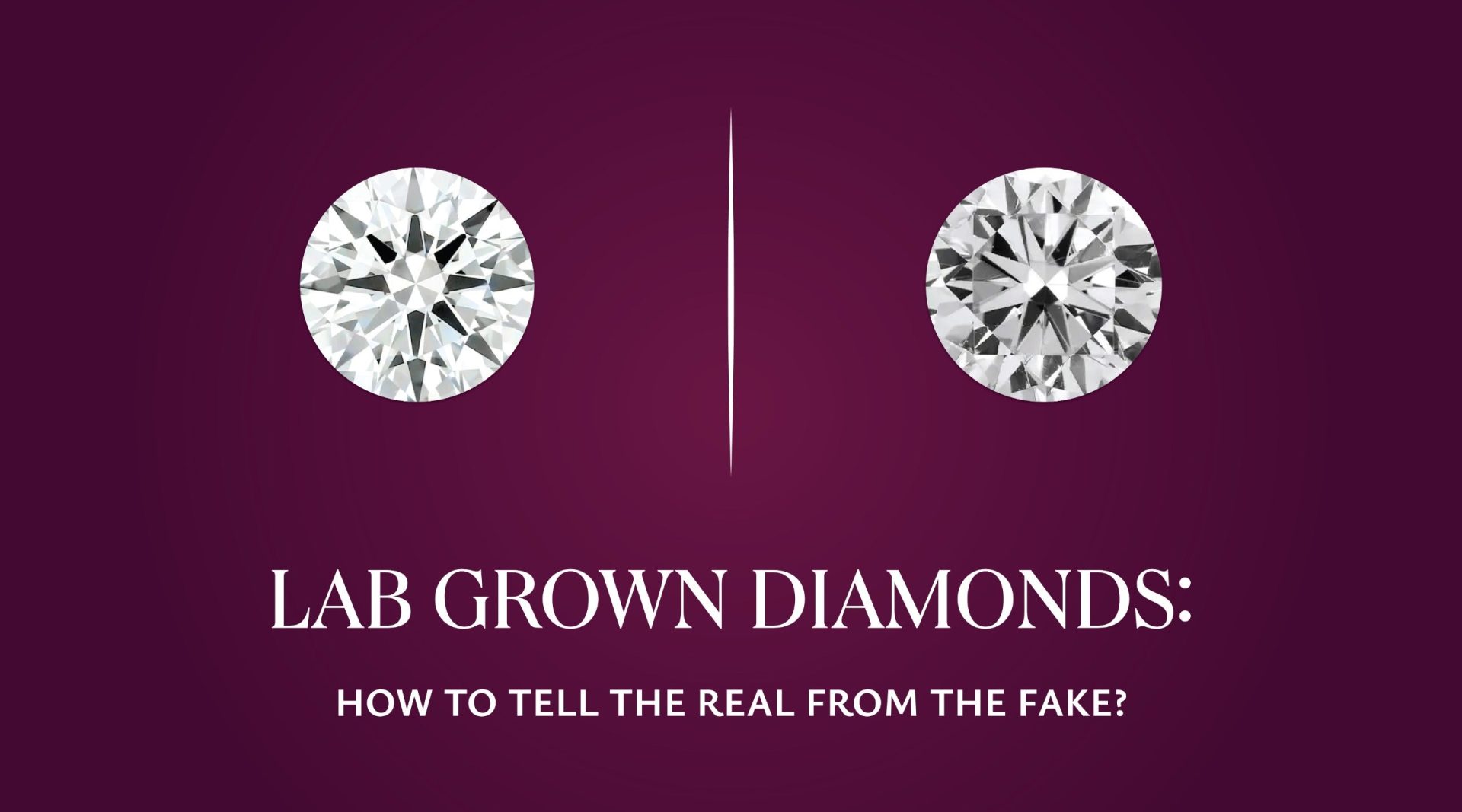
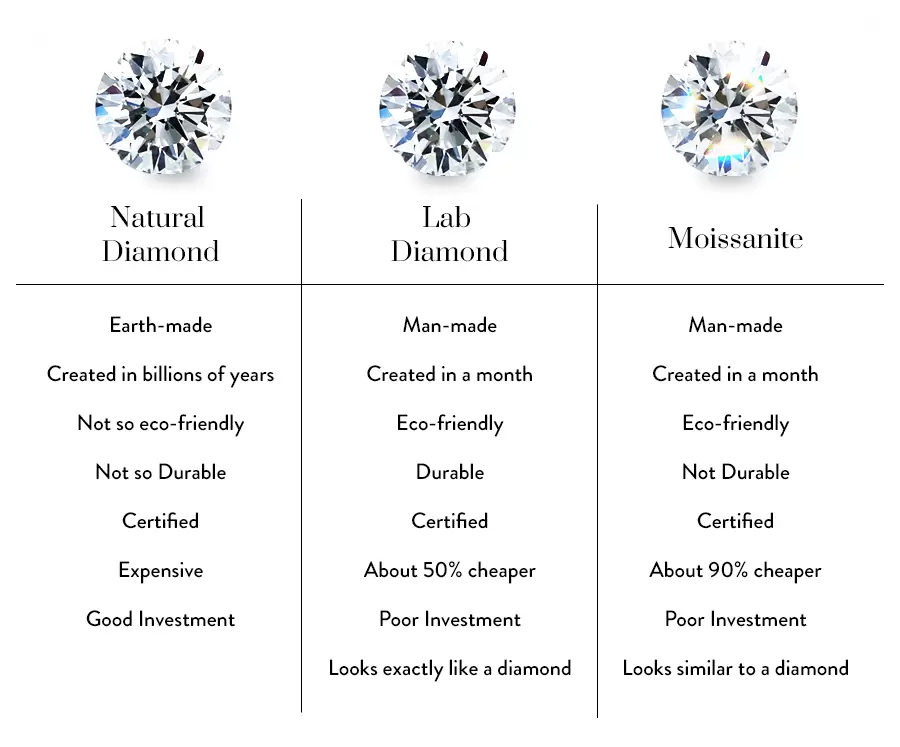
Recent technological advances have ushered in widespread availability of lab-grown diamonds, indistinguishable from their natural counterparts in composition and appearance, but often more affordable and ethically transparent. Understanding the nuances between natural and lab-grown diamonds is increasingly vital in 2025’s conscientious market environment.
Additionally, consumers seeking alternatives to traditional diamonds often turn to precious colored gemstones, appreciating their diversity and stories handed down through geologic time. Combining gemstone knowledge with ethical sourcing ensures that jewelry purchasing enriches both personal satisfaction and global responsibility.