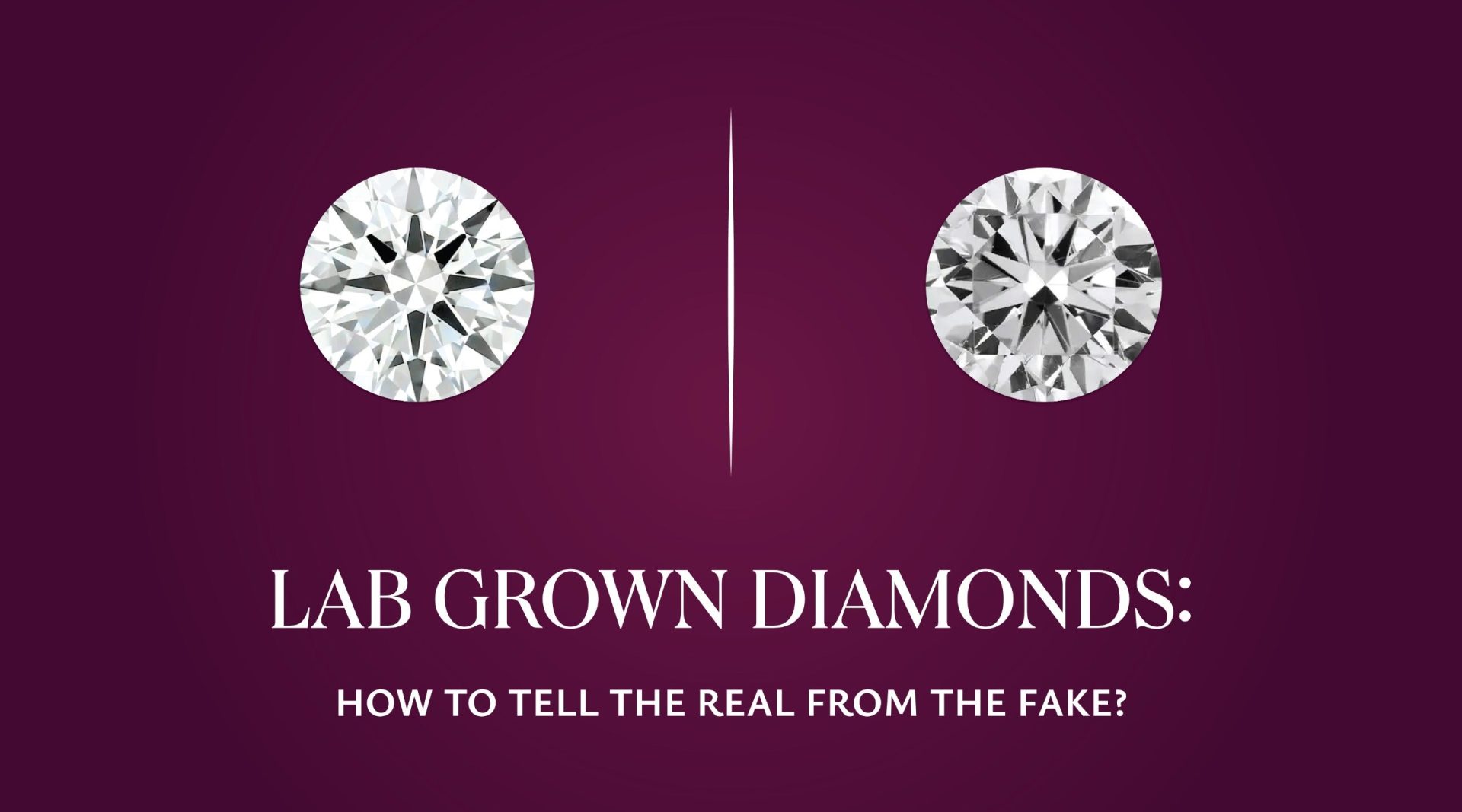

Choosing the optimal setting for diamond rings is crucial in both securing the gemstone and amplifying its brilliance and aesthetic appeal. In 2025, as diamond enthusiasts continue to seek the perfect balance between style, security, and sparkle, understanding the nuances of popular settings becomes essential. The setting not only holds the diamond but also influences its light performance and how it’s perceived in terms of size and elegance. From the iconic solitaire prong setting that has stood the test of time to intricate pave and channel designs, each type presents distinctive advantages and considerations. Making an informed choice involves knowing how different settings interact with diamond cuts, their durability for everyday wear, and the visual impact on the jewelry piece as a whole. This guide synthesizes expert insights and technical details to navigate the myriad options confidently, ensuring you select a setting that complements your diamond’s unique qualities while fitting your personal taste and lifestyle.
In brief:
– Diamond settings are metal structures that secure and showcase gemstones, directly affecting brilliance and style.
– Prong settings maximize light exposure and are prevalent in solitaire engagement rings.
– Pavé and channel settings add delicate accent diamonds, creating surfaces of continuous sparkle.
– Bezel and tension settings offer distinct modern aesthetics but can limit light and the stone’s visible size.
– Selecting the right setting involves balancing beauty, durability, cost, and the diamond’s characteristics.
– Resources like comprehensive diamond guides and grading knowledge can further aid in making the perfect choice.
Understanding Diamond Settings: The Foundation of Diamond Jewelry Excellence
A diamond setting refers to the specific metalwork designed to cradle and firmly hold a diamond or gemstone within a piece of jewelry. This structural element performs dual roles: ensuring the security of the stone and magnifying its optical properties by controlling how light interacts with it. While diamond selection heavily involves factors such as cut, color, clarity, and carat weight—commonly known as the 4Cs—the setting plays a pivotal role in translating these qualities into visual brilliance. For example, a setting that exposes more surface area of the stone allows more light to enter and reflect, enhancing sparkle. Conversely, some settings provide extra protection by partially encasing the diamond but may reduce its brightness.
Prong Settings: Maximizing Brilliance and Classic Appeal
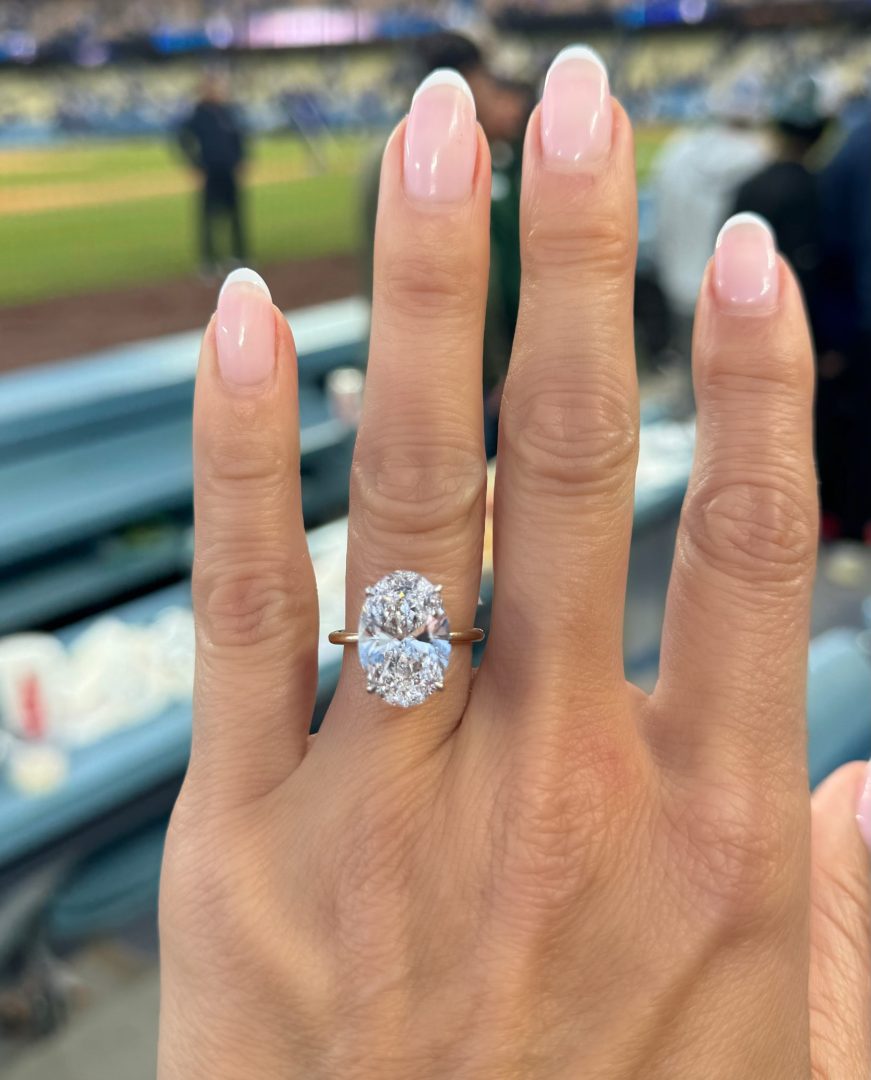
Prong settings use slender metal claws, typically four or six, that grasp the diamond tightly from various angles. This approach offers maximum exposure of the diamond to surrounding light, resulting in enhanced brilliance and scintillation. For engagement rings ranging from delicate solitaires to elegant tennis bracelets, the prong setting remains the top choice due to its minimal metal coverage and timeless design.
The choice between 4-prong and 6-prong configurations involves a trade-off; six prongs offer additional security, particularly for larger diamonds above 2 carats, while four prongs permit more light entry and a clearer view of the stone. Notably, the famous “Tiffany setting” is a six-prong design credited with revolutionizing diamond engagement rings. Nonetheless, technical evaluations suggest that properly maintained 4-prong settings provide ample security and potentially superior light performance, often favored by connoisseurs seeking both elegance and brilliance.
When examining diverse diamond shapes, round brilliant cuts pair exceptionally well with prong settings for maximizing light performance. Yet, other cuts like princess and emerald also present sophisticated alternatives for solitaire arrangements. For further understanding of diamond cuts and shapes, consider reading detailed resources about the best diamond cuts and shapes.
Pavé and Channel Settings: Elevating Sparkle with Accent Diamonds
Both pavé and channel settings introduce additional layers of sparkle by embedding smaller diamonds alongside the center stone, but their construction differs significantly. The pavé setting employs tiny diamonds set closely together using small metal beads or grains, often rhodium-plated to augment shine, creating the illusion of a continuous surface of diamonds dazzling at every angle.
In comparison, channel settings secure accent diamonds between two parallel metal strips without vertical prongs, yielding a sleek and modern look that is robust and comfortable for everyday wear. Though they offer slightly less sparkle than pavé due to the metal edges enclosing the stones, channel settings provide superior protection and a seamless frame, frequently selected for tennis bracelets and rings incorporating princess or emerald cuts.
These settings are excellent choices when you wish to amplify your diamond ring’s overall radiance and durability simultaneously. Learning about proper maintenance is essential to preserve their brilliance; see diamond jewelry care tips for expert advice.
Bezel and Tension Settings: Contemporary Styles with Functional Benefits
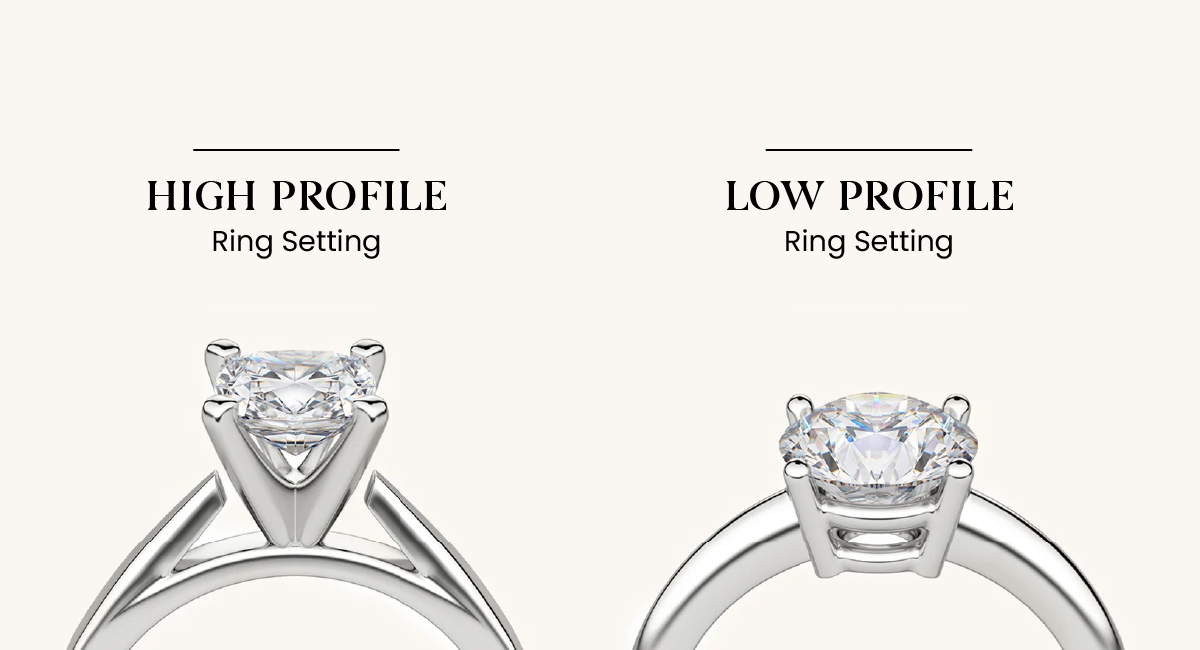
Bezel settings encircle the diamond or gemstone fully or partially with a metal rim, offering robust protection while delivering a sleek, modern appearance. Despite reducing the amount of light entering from the sides—which can diminish some brilliance—bezel-set rings are revered for their distinctive look and practical suitability for active lifestyles.
Similarly, tension settings use the physical pressure of the ring’s metal bands to hold the diamond suspended, creating a dramatic and avant-garde visual effect. Well-executed tension settings seemingly float the stone, maximizing visible surface area. However, some designs may appear bulky or obstruct light depending on metal thickness and band style.
For those seeking cutting-edge design while balancing security and sparkle, understanding these nuanced effects is crucial before selecting such contemporary settings.
Examining Additional Styles: Halo, Split-Shank, Three-Stone, and Cluster Settings
Settings such as halo rings encircle the main diamond with a ring of smaller accent stones, effectively enlarging the perceived size and enhancing overall sparkle economically. Precision in color and clarity match between the center and accent diamonds is vital to maintain a harmonious look without highlighting any disparities. Similarly, split-shank designs aesthetically divide the band to frame the central gem attractively, often combined with pavé or halo accents to enrich brilliance.
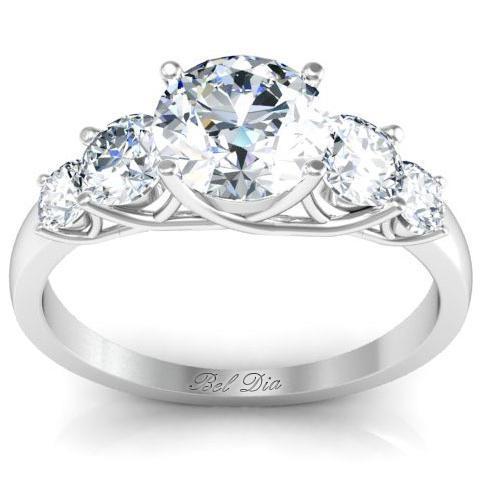
Three-stone settings present a mature elegance, featuring two complementary side stones that underscore the center diamond’s prominence while symbolizing past, present, and future. Cluster settings group several smaller stones to imitate a larger appearance but typically yield less fire and brilliance compared to solitary diamonds, as internal light transmission among closely set stones is limited.
Before committing to any style, consult comprehensive guides on diamond grading and gemstone selection, such as those available at buying diamond gemstones and understanding the 4Cs of diamonds to harmonize setting choice with the gem’s unique features.
Technical Insights into Light Performance and Durability for Engagement Rings
The interaction between diamond settings and light is a cornerstone of their visual impact. Prong and tension settings provide more unobstructed light pathways, ideal for maximizing brilliance, while bezel and channel offer enhanced physical security but potentially at minor sacrifices in sparkle. Selecting the appropriate setting requires balancing these factors according to lifestyle, diamond size, and desired aesthetic effects.
Durability considerations are equally important, especially for daily wear. Settings that minimize risk of stone loss or damage, such as bezel or channel, might be preferred for active individuals. Meanwhile, pavé and halo settings necessitate attentive maintenance due to the many tiny accent stones that can loosen over time.
To deepen your understanding of why diamonds shine and how settings influence this, consult resources focused on the science behind diamond brilliance.