Diamonds have captivated human fascination for millennia, not merely due to their stunning appearance but also because of their unique geological origins and cultural significance. These gemstones possess a rarity and durability that few natural materials can match, factors that underpin their precious status. The journey of diamonds from ancient earth formations to prized possessions in jewelry vaults is steeped in geological marvels and centuries of socio-economic development. Today, their value is assessed not only by their brilliance but also through meticulous evaluation of their characteristics, symbolizing much more than a simple mineral specimen.
Key points to understand why diamonds remain highly coveted include their ancient formation, rarity, intricate valuing methods, and profound symbolism. Diamonds were first discovered thousands of years ago in southern India and have since been found in diverse global locations. Only a small fraction of mined diamonds are of gem quality, enhancing their scarcity. Furthermore, diamonds historically have signified power and love, adding layers of meaning that persist in modern times. The industry’s structure, led by influential players such as De Beers, also contributes to their maintained allure in global markets.
Geological Origins and the Rarity of Diamonds as Precious Stones
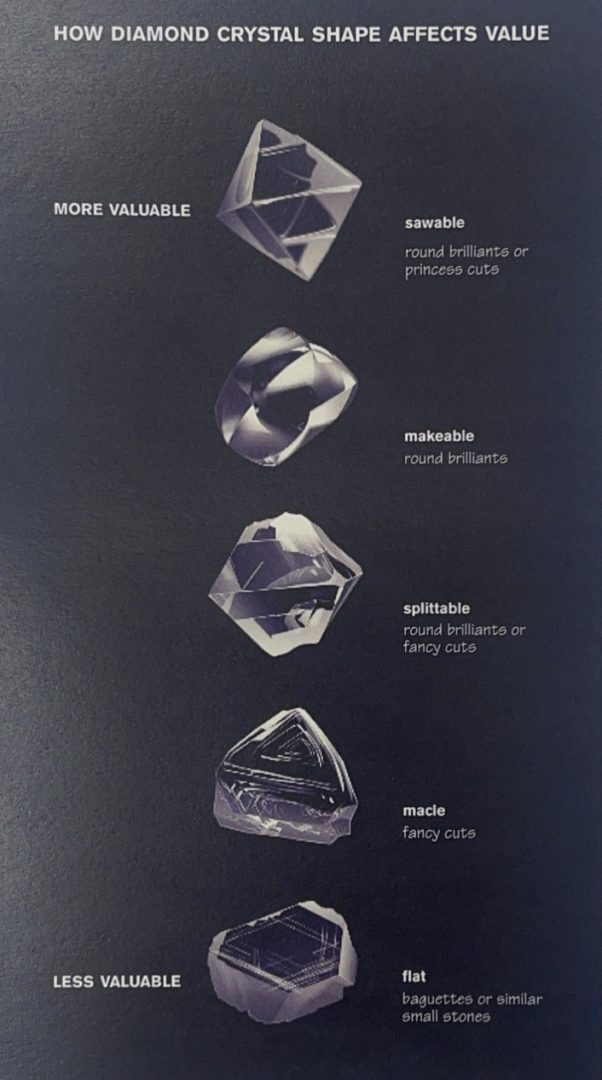
Diamonds are forged deep within the Earth’s mantle under extreme pressure and temperature conditions over billions of years. This prolonged and arduous natural process creates stones of exceptional hardness and brilliance, unmatched by other gemstones. Their emergence at the Earth’s surface is a rare and unpredictable event, as diamonds must survive volcanic eruptions and erosion to become accessible to miners. Consequently, only a minute percentage of diamonds extracted reach the quality standards necessary for fine jewelry.
In 2025, the significance of diamond rarity remains a primary factor in their precious status. While carbon, the elemental base of diamonds, is plentiful on Earth, gem-quality diamonds are scarce. Only about 50% of mined diamonds meet the strict criteria to enter the gem market. This scarcity is intensified by the global distribution of diamond mines, concentrated in countries such as South Africa, which boasts some of the world’s largest deposits and is a key player in the diamond industry through companies like De Beers.
From Mine to Market: Control and Influence of Diamond Supply
The journey of a diamond from its extraction to final sale showcases the complex nature of the industry. South Africa is a pivotal hub for diamond production, with De Beers controlling a significant portion of the market. Their dominance ensures that supply remains carefully regulated, maintaining prices and perceived value. This controlled scarcity, combined with the laborious processes of cutting, grading, and certifying diamonds across continents, constructs the foundation of the diamond’s market prestige.
For a comprehensive understanding of this transformation, see more about diamond mine to market processes.
Evaluating Diamond Quality: The 4Cs as a Standard of Preciousness
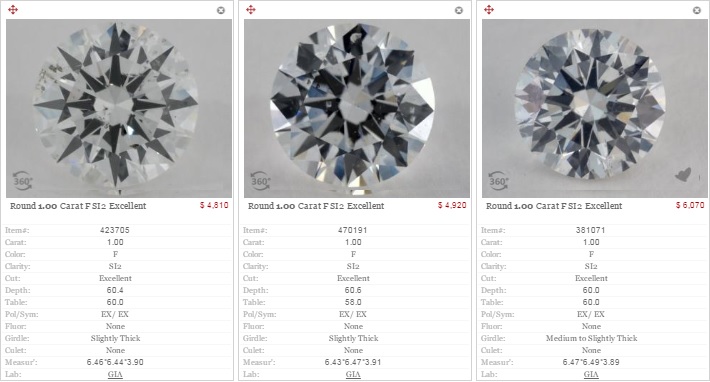
The accepted global standard for assessing diamonds involves the evaluation of the 4 Cs: Colour, Clarity, Cut, and Carat weight. Each attribute directly impacts the stone’s appearance and rarity. Colour refers to the presence or absence of hue, with the most prized gems being colorless or exhibiting desirable tint variations. Clarity assesses internal and external imperfections, known as inclusions and blemishes, which can detract from the brilliance of the diamond.
The cut plays a crucial role in reflecting light, determining the gem’s sparkle and fire — a critical aesthetic and value factor. Carat weight measures the diamond’s size, with larger stones exponentially increasing in rarity and price. Mastering the nuances of the 4Cs is vital for both purchasers and sellers. For an in-depth guide, visit diamonds graded 4Cs.
Advanced Cut Designs and Their Impact on Value
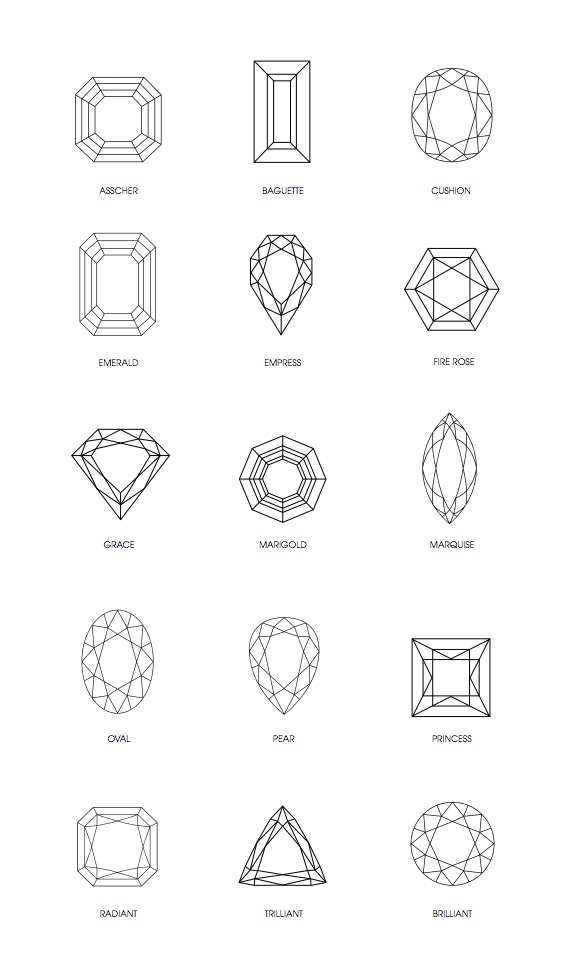
The artistry behind diamond cutting enhances not only brilliance but also value. Various cuts such as round brilliant, princess, cushion, and emerald shapes offer distinct visual appeals and light refraction patterns. Optimal cutting enhances the stone’s ability to reflect light internally, producing the fiery radiance that defines a diamond’s allure. Knowledgeable buyers often refer to best diamond cuts to select the ideal stone for their preferences.
Historical and Cultural Significance Underpinning the Preciousness of Diamonds
Historically, diamonds symbolized power and invincibility, with ownership once reserved exclusively for royalty until the 15th century. Their connection to strength and courage imbued them with an aura beyond mere beauty. Transitioning into a symbol of eternal love, diamonds have been integral to romantic traditions for centuries. The concept of the “vena amoris”, or “vein of love,” thought by early Egyptians to run directly from the heart to the left hand’s ring finger, solidified diamond rings as emblems of commitment.
The etymology of the word “diamond” traces back to the Greek term meaning “unconquerable,” a metaphor for the stone’s lasting durability and the eternal nature of love. This rich symbolism enhances their desirability and justifies premium values assigned in markets worldwide.
Explore further on the cultural and symbolic meanings at diamond symbolism and meaning.
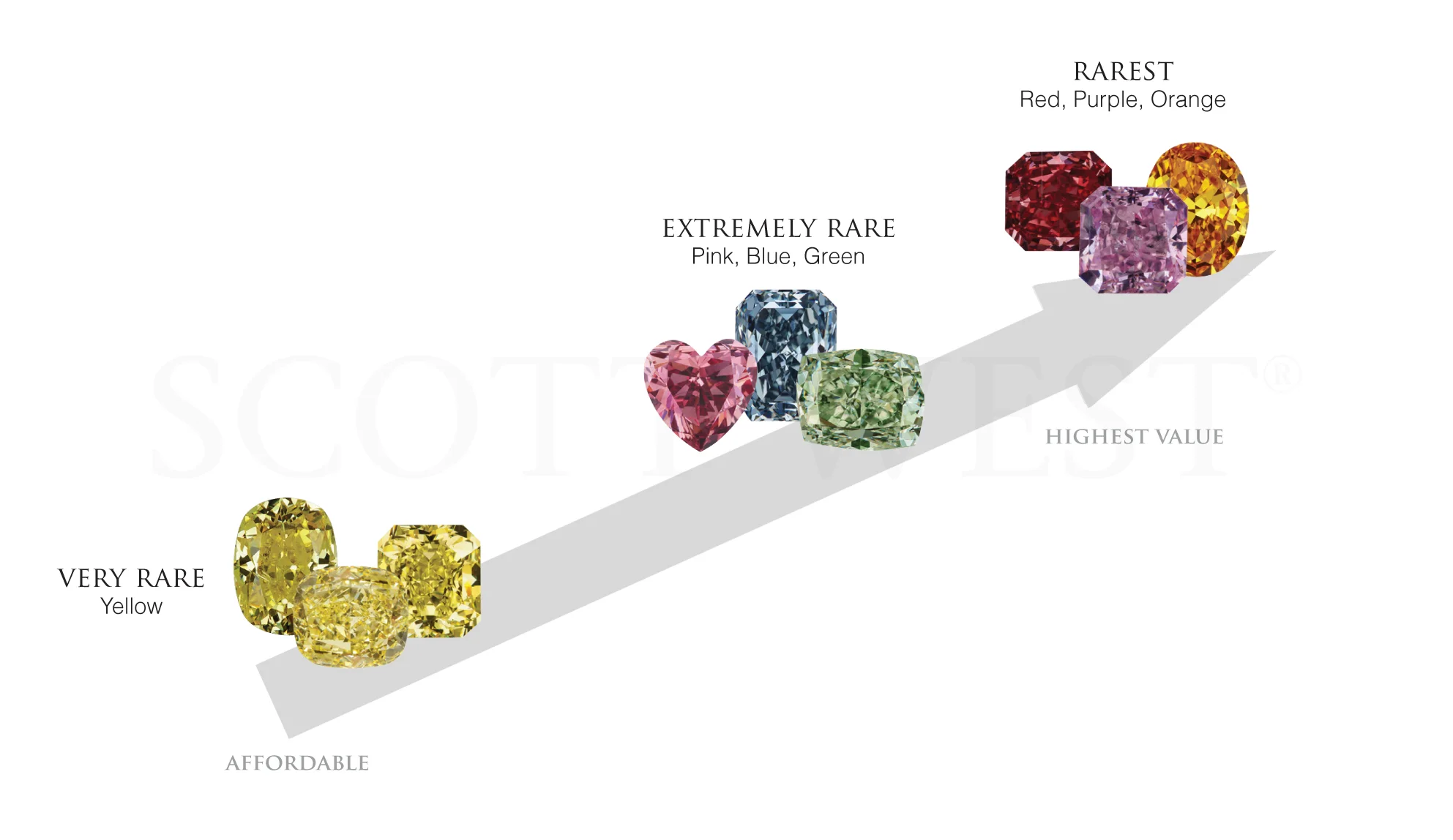
Modern Considerations: Ethical Sourcing and the Future of Diamonds
The 21st-century diamond industry increasingly emphasizes ethical sourcing as an essential criterion for valuing stones. Buyers and jewelers alike demand transparency in the origin of diamonds, ensuring they are free from conflict or unethical labor practices. Organizations strive to certify and promote responsibly sourced diamonds, which add a new dimension to the preciousness narrative.
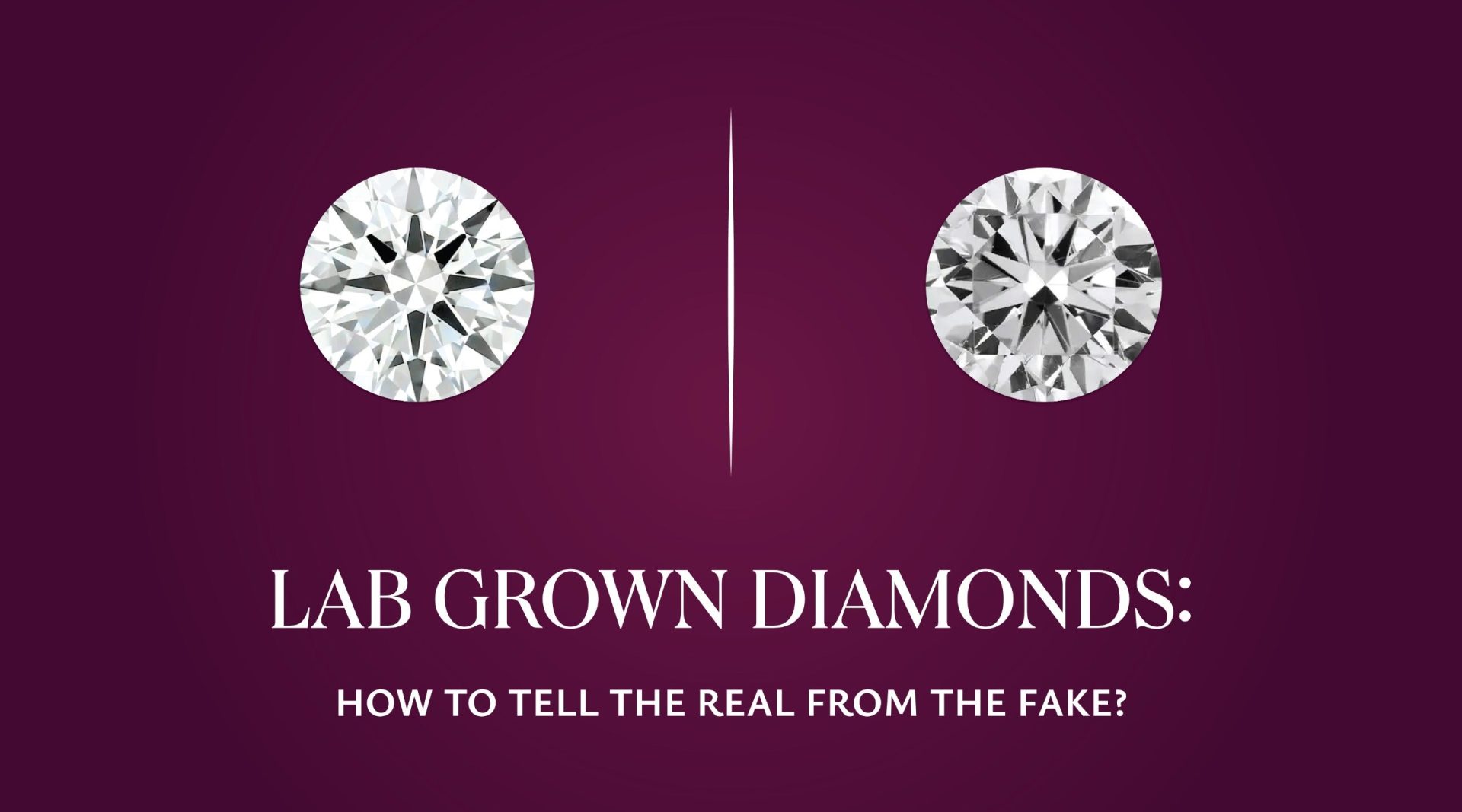
Consumers in 2025 are equally interested in the distinction between natural and lab-grown diamonds, each offering unique advantages and ethical considerations. Detailed comparisons enable informed purchasing decisions, reflecting evolving market trends and values. For a detailed explore of this topic, see ethical sourcing diamonds and natural versus lab-grown diamonds.