
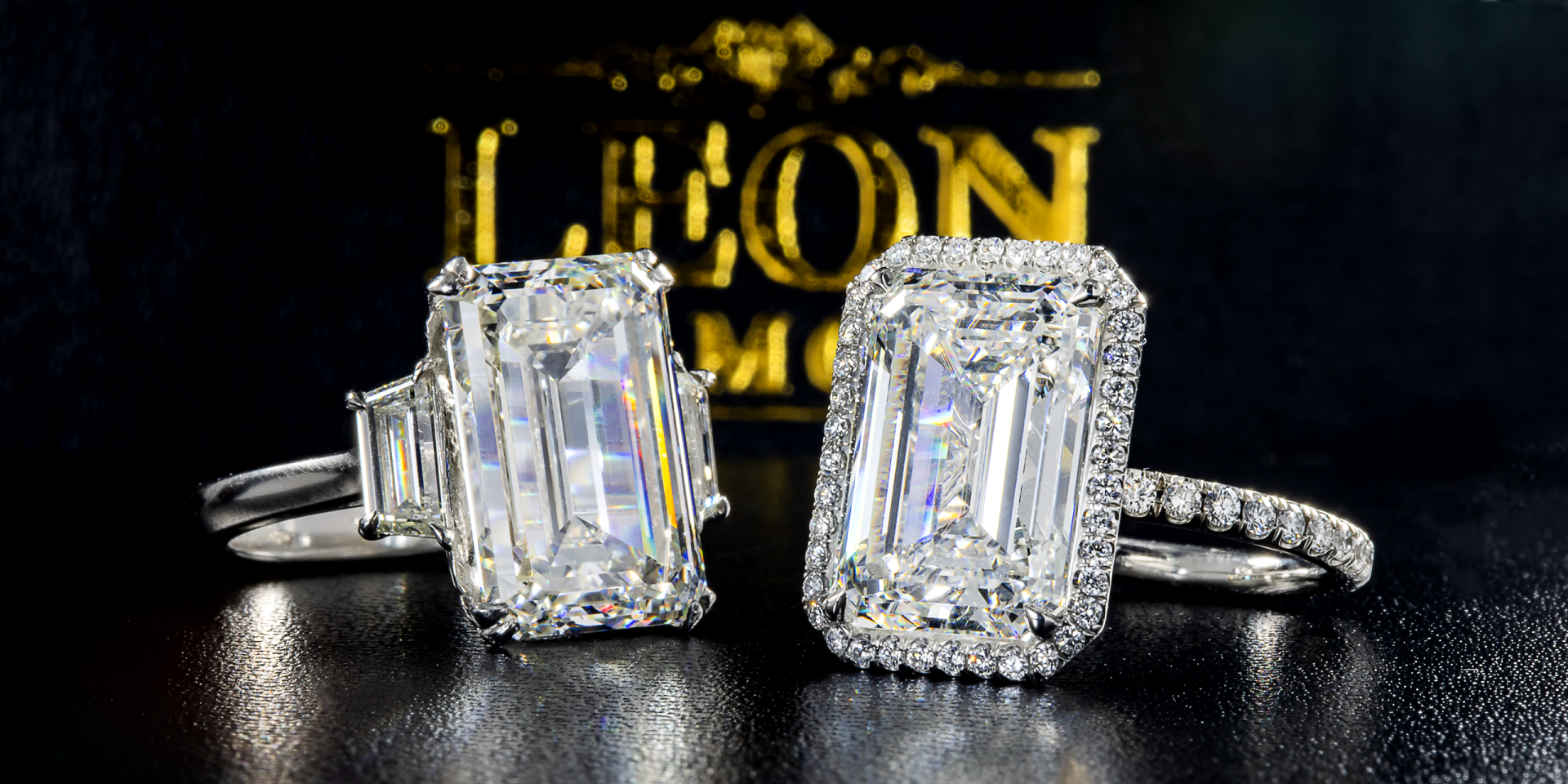
Diamond jewelry represents not just a significant financial investment but often carries immense sentimental value, from cherished family heirlooms to sparkling engagement rings. However, their value also exposes these gems to unique risks such as theft, loss, or accidental damage. In 2025, securing these treasured possessions goes beyond basic homeowners insurance, which often falls short in coverage and may increase premiums upon claims. Specialized jewelry insurance offers targeted protection, ensuring your precious pieces are comprehensively covered without affecting your other insurance rates. By understanding appraisal processes, coverage options, and policy features, owners can safeguard their collection effectively, sustaining both the beauty and legacy of their diamond investments.
Key considerations when insuring diamond jewelry:
- Specialized insurance policies provide “all risk” protection that traditional home insurance seldom matches.
- Appraisals by certified gemologists are essential to establish accurate market value and appropriate coverage limits.
- Documentation such as photos, receipts, and appraisals is critical for claim substantiation.
- Annual policy reviews help accommodate changes in value or jewelry modifications.
- Safe storage minimizes risk of loss and may qualify for insurance discounts.
Understanding the Mechanics of Jewelry Insurance for Diamond Pieces
Jewelry insurance functions by providing financial security against unforeseen events that could jeopardize your diamond’s integrity or existence. When loss, theft, or damage occurs, policyholders file a claim with their insurer, such as specialized providers like Lavalier. The insurer collaborates with your jeweler to facilitate repair or replacement, often paying the vendor directly minus any applicable deductible. This seamless process allows owners to restore their collection’s condition or receive compensation close to the appraised value without facing increased homeowners premiums, a common drawback of standard insurance claims.
Determining the Value: The Role of Appraisals and Certification
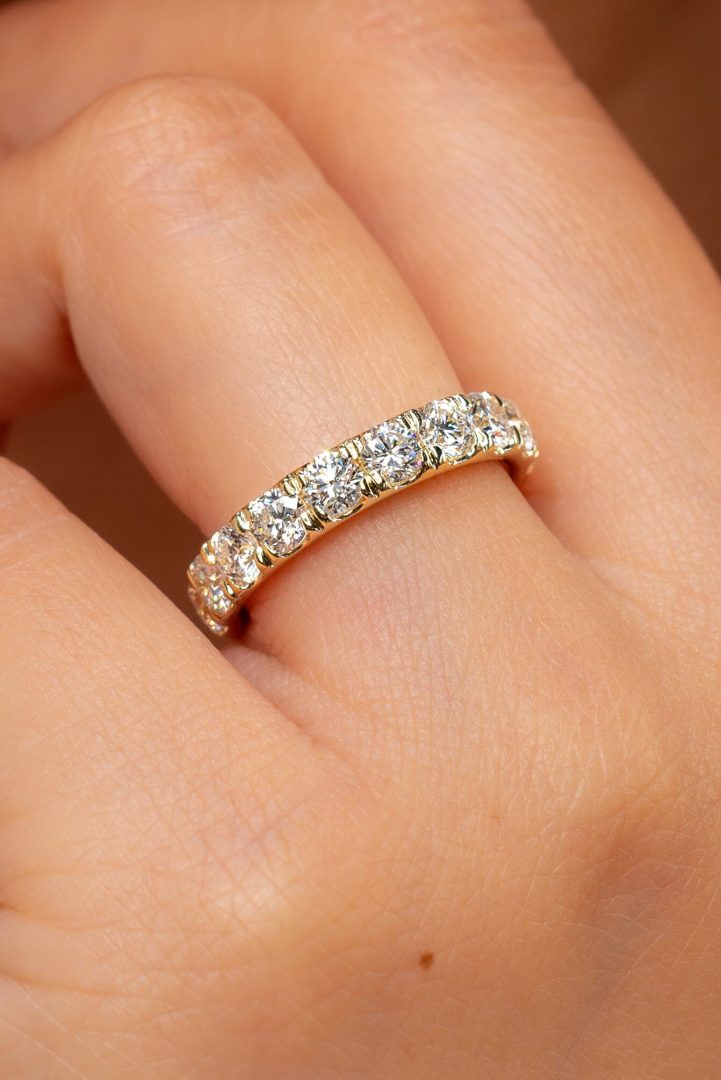
Precise valuation of diamond jewelry begins with an appraisal conducted by a certified gemologist. Unlike a diamond grading report, which identifies characteristics such as cut, clarity, and carat weight, an appraisal integrates the gemstone’s market price and setting to generate the piece’s current replacement value. Given that diamond prices can appreciate or fluctuate over time, periodic reappraisal every 3 to 5 years is advised to maintain adequate coverage.
For owners seeking more insight on diamond validation, exploring topics like diamond certification meaning can provide a deeper understanding of quality assurances critical in insurance contexts.
Crafting Your Jewelry Insurance Policy: Coverage Essentials and Customization
Optimal insurance coverage for diamond jewelry should encompass theft, accidental damage, and loss. Specialized scheduled jewelry policies, rather than blanket homeowners policies, offer comprehensive protection based on the piece’s actual appraised value. Such policies permit customization of deductibles, ranging from zero up to $25,000 depending on budget and assessed risk tolerance, aligning coverage with owner preferences.
Beyond standard coverages, insurers may extend discounts if the insured stores pieces in secured environments — such as bank vaults or home safes — or if a recent gemstone grading report is available. Individuals aiming to prolong jewelry lifespan can also follow expert diamond jewelry care tips to minimize claims due to wear or accidental damage.
Is Jewelry Insurance Financially Practical?
Considering the cost versus protection, jewelry insurance premiums typically run between 1–2% of a piece’s appraised value annually. For example, insuring a $5,000 diamond ring might translate into an annual fee as low as $70 to $100. Compared to the potential financial loss from theft or irreparable damage, this expense often proves economical. Moreover, specialty policies usually shield owners from home insurance premium hikes following a claim, distinguishing them from riders or blanket coverages attached to broader policies.
Safe Handling and Documentation: Foundations for a Smooth Claims Process
Maintaining detailed records ensures comprehensive support in case of insurance claims. This documentation includes high-resolution photographs capturing angles and distinctive features, purchase receipts confirming provenance, and up-to-date appraisals. Storing your diamond jewelry separately in a secure environment and having it inspected annually by a professional jeweler further reduces risk. This proactive approach aligns with insurer requirements and optimizes your chance for trouble-free claims handling.
To mitigate risks during travel, carrying only essential pieces and securing them in hotel safes prevents potential losses. Such precautions integrate well with insurance policies designed to cover journeys, reinforcing overall protection strategies.
Comparing Insurance Options: Homeowners Policies vs. Specialty Jewelry Insurance
Traditional home or renters insurance often offers limited coverage for diamond jewelry, typically capped at low thresholds (around $1,500) unless additional riders are purchased. These riders may increase theft limits but tend to exclude losses due to damage or mysterious disappearance. Additionally, claims can impact your overall property insurance premiums negatively.
More robust alternatives such as personal property floaters or specialty jewelry insurance policies provide broader protection without influencing homeowner premiums. Providers like Jewelers Mutual Insurance and Lavalier Jewelry Insurance focus exclusively on jewelry, including preventive benefits such as maintenance and direct payment to jewelers for replacements or repairs. This ensures policyholders receive tailored service with a seamless claims experience.
For those intrigued by the value and acquisition of diamonds themselves, resources such as buying diamond gemstones offer critical insights that complement insurance considerations.