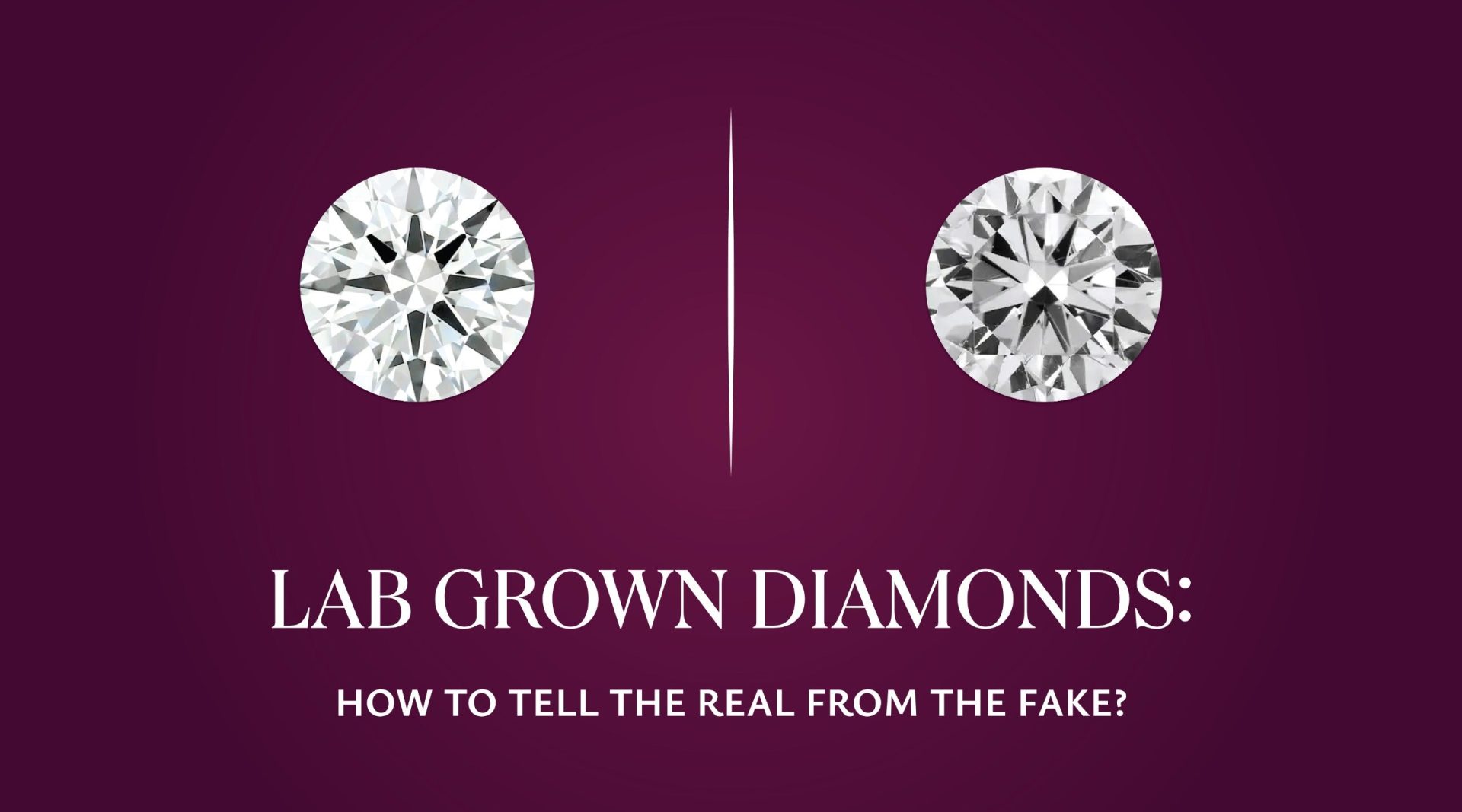
Purchasing a diamond is more than acquiring a precious stone; it’s an investment laden with emotional and financial significance. In 2025, the assurance of a diamond’s authenticity and quality is largely governed by its certification—a detailed evaluation that transcends superficial charm to uncover the gem’s true worth. As the global market pursues transparency and ethical sourcing, understanding diamond certification becomes indispensable for both new buyers and seasoned investors. Today’s certified diamonds provide a reliable narrative of origin, quality, and value, ensuring buyers are protected against inflated claims or undisclosed treatments.
Diamond certification is issued by respected gemological laboratories that apply rigorous and standardized grading systems. This process offers a precise analysis of a diamond’s core attributes, famously encapsulated in the 4Cs: cut, color, clarity, and carat weight. Certified diamonds help navigate the complexities of the market, highlighting genuine stones amidst an abundance of synthetic or enhanced alternatives, which have grown in prevalence. Moreover, with rising concerns over environmental impact and ethical sourcing, certification increasingly attests not only to a diamond’s physical characteristics but also to its responsible journey from mine to market.
For those investing in diamonds, whether for personal milestones or portfolio diversification, the certification represents a critical safeguard. It substantiates quality claims, facilitates resale, and meets insurance criteria, providing peace of mind in a market where subtle differences in grading can significantly affect value. Leading laboratories like GIA and AGS remain the gold standards, ensuring diamonds meet consistent and impartial benchmarks. Exploring the nuances of such certifications reveals their role as essential tools that empower consumers with informed choices in an evolving landscape.
In brief: Diamond certification affirms authenticity and discloses detailed quality metrics based on internationally recognized criteria. It protects buyers from overpaying for diamonds with inflated claims and is indispensable for resale and insurance. Trustworthy certifications from top labs like GIA and AGS provide objective assessments, focusing on the 4Cs to establish true gemstone value. Additionally, certification addresses concerns about ethical sourcing and environmental impact, reflecting the diamond’s complete lifecycle story.
Understanding Diamond Certification: Key Definitions and Importance
Diamond certification, often referred to as a diamond grading report, is an official document created by gemological laboratories such as the Gemological Institute of America (GIA), American Gem Society (AGS), or International Gemological Institute (IGI). This report offers an in-depth assessment of a diamond’s intrinsic properties based on standardized grading methods.
The certification confirms multiple critical aspects, primarily the diamond’s authenticity as a natural gem unless specified otherwise, distinguishing it from synthetic or lab-grown enemies. It further quantifies quality factors including the stone’s cut, color, clarity, and carat weight—the renowned 4Cs—providing a transparent framework for evaluation. This impartial appraisal insulates buyers from misrepresented features and promotes confidence in their purchase, a factor contributing to certified diamonds retaining higher market values.
In addition to physical attributes, certification increasingly incorporates considerations relevant to ethical and environmental standards, an aspect that resonates profoundly with contemporary buyers who prioritize sustainability. Certification thus serves a multifaceted role: safeguarding authenticity, defining quality, and validating the diamond’s responsible sourcing—a critical advancement amid ongoing concerns about the environmental impact of diamond mining.
Breakdown of the 4Cs in Diamond Certification Reports
The 4Cs formed by GIA revolutionized diamond grading and remain universal parameters in certification, critically influencing a diamond’s market value:
- Cut: The most vital factor impacting brilliance and fire. Grading ranges from Excellent to Poor, evaluating how well light reflects within the diamond to maximize sparkle.
- Color: Evaluated on a scale from D (colorless) to Z (light yellow or brown). The less color present, the rarer and more valuable the diamond.
- Clarity: Measures internal inclusions and external blemishes ranging from Flawless (FL) to Included (I3), significantly affecting a diamond’s purity and visual flawlessness.
- Carat Weight: Represents the diamond’s size with 1 carat equaling 200 milligrams. Larger diamonds generally command premium prices, but cut quality can influence perceived size immensely.
These grading elements are meticulously documented in diamond grading reports, alongside measurements, polish, symmetry, and fluorescence data, which collectively inform buyers’ decisions. An expertly graded diamond embraces these characteristics harmoniously, enhancing its overall aesthetic and financial value.
How to Interpret Diamond Certification and Its Role in Buying Decisions
Reading a diamond certificate requires attention to various sections beyond the conspicuous 4Cs. Certified reports also disclose:
- Diamond Shape & Measurements: Precise dimensions and shape classifications help confirm the stone’s identity.
- Polish & Symmetry: Assess surface quality and facet alignment, influencing the gemstone’s light performance.
- Fluorescence: Details the diamond’s reaction to ultraviolet light, which can impact visual color perception.
- Certification Number: A unique identifier allowing online verification of authenticity through lab databases.
Buyers can verify the certification credibility by cross-checking these unique report numbers on official platforms, assuring that the diamond matches its documented attributes. This verification process is vital in avoiding counterfeit or inaccurately graded stones. For those unfamiliar with grading nuances, consulting experienced gemologists or reputable jewelers enhances decision-making confidence, ensuring a purchase aligns with expectations and requirements.
Purchasing uncertified diamonds carries significant risks due to unknown quality and potential misrepresentation. Certified diamonds from trusted institutions like GIA or AGS not only authenticate the gemstone’s characteristics but also contribute to ethical assurance. Consumers increasingly seek diamonds that come with certifications verifying ethical sourcing, often linked to responsible mining practices, which protects against conflict stones.
The Impact of Certification on Diamond Value and Investment
Certification substantiates a diamond’s market value, playing a pivotal role in investment decisions and resale potential. A certified diamond carries documented grades that justify pricing and facilitate appraisal, essential for insurance underwriting. For investors, certification is non-negotiable—it assures asset legitimacy and aids portfolio valuation.
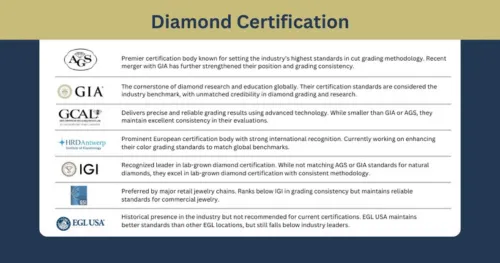
Notably, certification mitigates risks linked to inflated grading typically encountered with less rigorous labs, making distinctions between certification providers—such as differences between GIA, AGS, and IGI—critical considerations. Consumers informed about these disparities—accessible through research and trusted industry sites—can better navigate pricing anomalies and investment risks. Inclusive evaluation of diamond attributes combined with certification transparency is key to optimizing value.
- Reliable certification enhances resale by providing documented quality and authenticity, attracting discerning buyers.
- Certified diamonds are generally preferred by insurance carriers, simplifying coverage setup and claims processing.
- Investment-grade diamonds often require GIA or AGS certification to meet market standards and buyer expectations.
Choosing Certified Diamonds: Insights from Industry Experts and Market Trends
Expert jewelers and gemologists emphasize the necessity of certification when selecting diamonds for significant purchases. Their specialized knowledge and sophisticated analysis tools are instrumental in differentiating stones with seemingly similar appearances but vastly different underlying qualities. This expert guidance ensures buyers receive authentic diamonds matching their quality and ethical criteria.
Present-day market dynamics emphasize not just the gem’s physical specifications but also ethical considerations and environmental stewardship, urging buyers to seek certifications that reflect these priorities. Awareness of the diamond’s complete lifecycle, from its origin to its graded report, is increasingly valued, aligning with consumer trends favoring sustainability and transparency.
For buyers venturing into diamond acquisition, prioritizing stones certified by top-grade labs such as GIA or AGS positions them for a more secure investment and peace of mind. At the same time, understanding differences among certification authorities and how they influence perception is crucial.
Increasingly, retailers integrate certification information transparently, empowering consumers to compare stones effectively. This clarity combats the risks associated with uncertified diamonds and educates buyers on evaluating key characteristics like clarity levels and the impact of cut on brilliance, supported by authoritative sites highlighting the value of diamond clarity.