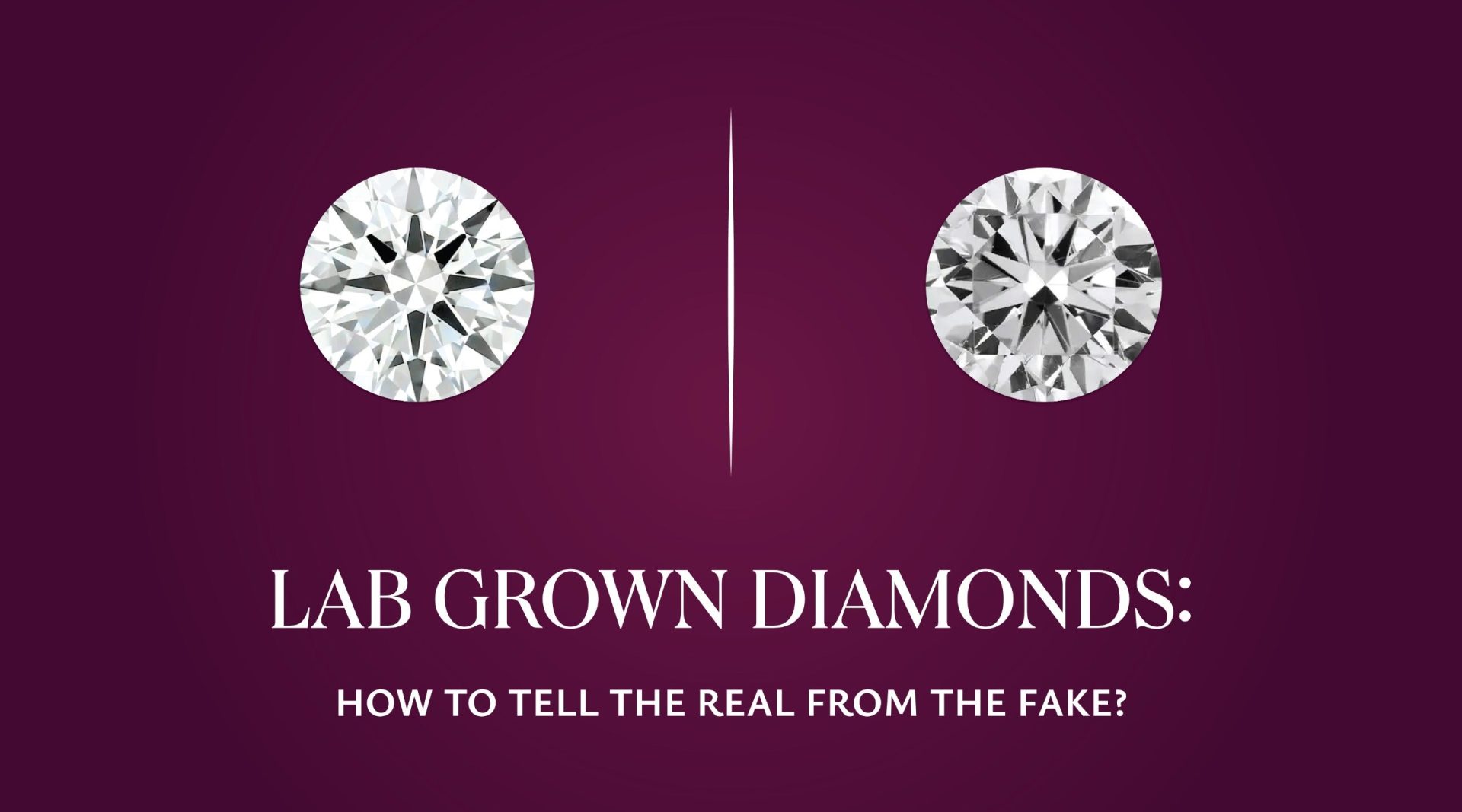

The synthetic diamond industry is undergoing a profound transformation as technological advancements slash production costs and expand applications far beyond traditional jewelry. Once a niche luxury, lab-grown diamonds now compete head-to-head with natural gems, driven by breakthroughs in manufacturing such as Chemical Vapor Deposition (CVD) and High Pressure High Temperature (HPHT) methods. These innovations have drastically reduced costs from thousands to mere hundreds of dollars per carat, propelling the global market toward an estimated value of nearly $38.78 billion by 2030. The swelling demand for ethical and environmentally friendly alternatives resonates with a generation increasingly conscious of sourcing and sustainability, making lab-grown diamonds a mainstream choice. Moreover, the integration of synthetic diamonds into high-tech fields like quantum computing, power electronics, aerospace, and defense is redefining their industrial significance. This evolution not only challenges traditional diamond markets but also unlocks new frontiers in material science, where synthetic diamonds serve as heralds of innovation with unrivaled hardness, thermal conductivity, and electrical properties.
In the wake of this revolution, supply chains optimized for large-scale, cost-effective production—led predominantly by Asian markets—are redefining global diamond commerce. China and India dominate manufacture, intensifying competition and spurring strategic shifts among industry incumbents who increasingly focus on diversified, high-tech applications. Notably, the natural diamond segment faces challenges from evolving consumer preferences yet continues to maintain a complementary presence, especially for those valuing tradition and rarity.
With synthetic diamonds emerging as a tandem force in both luxury and industry, the future is one of coexistence, technological integration, and expanded accessibility. From dazzling custom jewelry options to life-saving defense technologies and cutting-edge electronics, these engineered gems are truly reshaping our understanding of diamond utility and value in 2025 and beyond.
Summary of Key Points:
- Production costs of synthetic diamonds have dropped dramatically—from $4,000 per carat in 2008 to $300-$500 today—driven by advances such as the CVD technique.
- The global synthetic diamond market is projected to grow to nearly $39 billion by 2030, fueled by jewelry demand and diverse industrial applications.
- Asia-Pacific, especially China and India, leads production scale and innovation, influencing worldwide supply and pricing dynamics.
- Ethical and environmental concerns are pushing consumers toward lab-grown diamonds as sustainable alternatives to mined stones.
- Technological applications in quantum computing, aerospace, power electronics, and defense fields signal a pioneering role for synthetic diamonds beyond aesthetics.
How Advancements in Synthetic Diamond Production Are Driving Market Growth
The plummeting costs of synthetic diamonds primarily stem from breakthroughs in manufacturing processes, especially the rising dominance of the Chemical Vapor Deposition (CVD) method. Originally devised for electronics, CVD offers precise carbon layer control via microwave plasma, facilitating repeatable production of gem-quality stones at scale. By 2025, this method accounts for a majority of synthetic diamond creation, outpacing the traditional High Pressure High Temperature (HPHT) process, which mimics natural geological conditions but with higher expenses.
China’s role as a powerhouse producer is instrumental—its output represents about 40% to 50% of global synthetic diamond manufacturing, underscoring the geopolitical shift in diamond commerce. The country alone produced 20 million carats in 2022, and production is expected to nearly double by 2030. Such scale and efficiency drastically reduce per-carat costs, enabling companies like De Beers to recalibrate pricing strategies to remain competitive against affordable lab-grown options.
The resulting market effect is a profound realignment: retail prices for lab-grown diamonds have halved recently, reflecting production savings and intensifying competition in the jewelry sector. This price accessibility expands consumer reach, particularly among younger demographics prioritizing sustainability and affordability. For deeper understanding, readers can explore common myths and misconceptions about diamonds to appreciate synthetic stones’ legitimacy and value.
Supply Chain Optimization and Its Impact on Synthetic Diamond Distribution
As demand for lab-grown diamonds surges, supply chains have adapted through technological integration and strategic regional focus. Efficient production aligns with demand forecasts to prevent costly overproduction or shortages—a balance crucial in sustaining profitability amid market saturation. Advanced techniques, including AI-assisted precision cutting, minimize waste and bottlenecks, enhancing throughput and customizability.
The Asia-Pacific region, led by China, India, and Japan, dominates the supply domain, leveraging local government incentives and technological capacities. This concentration also facilitates accelerated innovations meeting industrial applications in electronics and aerospace, where synthetic diamonds serve as essential components due to their remarkable thermal and electrical properties.
Market responsiveness is vital as synthetic diamonds now account for roughly 20% of global diamond jewelry demand, fencing off new opportunities for customization and personalization that cater to evolving consumer tastes. For a comprehensive guide on authenticating diamonds, including synthetic varieties, readers can visit how to identify real diamonds.
Technological Innovations Enhancing Industrial and Consumer Applications
Synthetic diamonds are revolutionizing industries beyond traditional luxury markets. Their exceptional hardness, thermal conductivity, and electrical insulation have enabled breakthroughs in quantum computing, power generation, medical devices, and defense technologies. For instance, Nitrogen-Vacancy (NV) centers within diamond lattices facilitate quantum sensing by maintaining quantum coherence even at room temperature, a property integral to quantum information science.
In electronics, diamond substrates offer superior heat dissipation for high-power devices like insulated-gate bipolar transistors (IGBTs), crucial in electric vehicles and renewable energy grid systems. The enhanced performance prolongs device lifespans and improves energy efficiency, vital in today’s sustainability-focused environment. These advances are reflected in diamond’s emergence as a next-generation semiconductor material with a bandgap and electron mobility surpassing that of silicon, the traditional cornerstone of the industry.
Further breakthroughs include diamond lasers producing ultra-powerful, heat-resistant beams for defense and medical applications and novel nuclear batteries utilizing radioactive isotopes safely encapsulated within diamond matrices for long-lasting, maintenance-free power sources. The scope of these applications is expanding rapidly, indicative of synthetic diamonds’ pivotal role in technological evolution.
Ethical and Environmental Implications Favoring Synthetic Diamonds
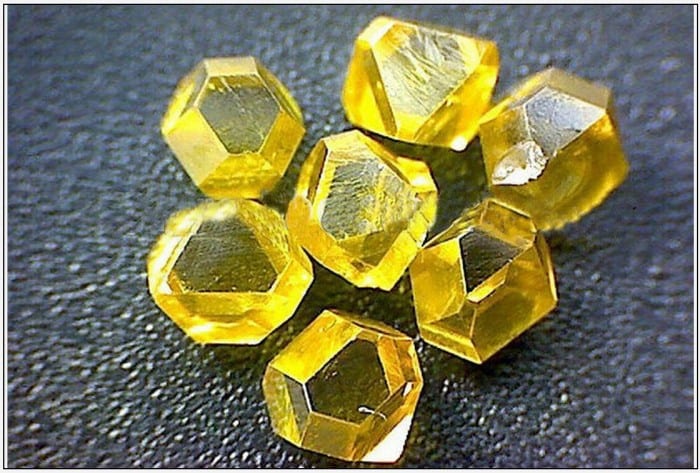
Increasing scrutiny over the environmental impact of traditional diamond mining, involving extensive habitat disruption and high carbon emissions, has fostered greater consumer demand for lab-grown alternatives with smaller ecological footprints. The controlled laboratory synthesis of diamonds circumvents many ethical issues associated with mining, such as human rights concerns and conflict funding.
The traceability and transparency inherent in synthetic diamond production supply chains provide reassurance for ethically minded consumers, reinforcing the appeal of these gems beyond price advantages. For further information about mining impacts and sustainable practices, readers can consult resources on environmental impact of diamond mining and best sustainable alternatives.
This shift toward ethical sourcing is not just a trend but a potent force reshaping the entire diamond market landscape, balancing tradition and innovation while ensuring that consumer values align with environmental stewardship.
Strategies in Retail and Market Positioning Amid Growing Competition
Retailers have adapted to the influx of synthetic diamonds by embracing educational marketing that highlights both the technological and ethical advantages. Despite wholesale price collapses of up to 87% since 2018, retail profit margins remain healthy, supported by growing consumer awareness and targeted segmentation.
Many brands now blend natural and lab-grown diamonds within their offerings to appeal to diverse buyer preferences. This coexistence underscores a marketplace where innovation complements heritage rather than replaces it, reflecting broader consumption patterns.
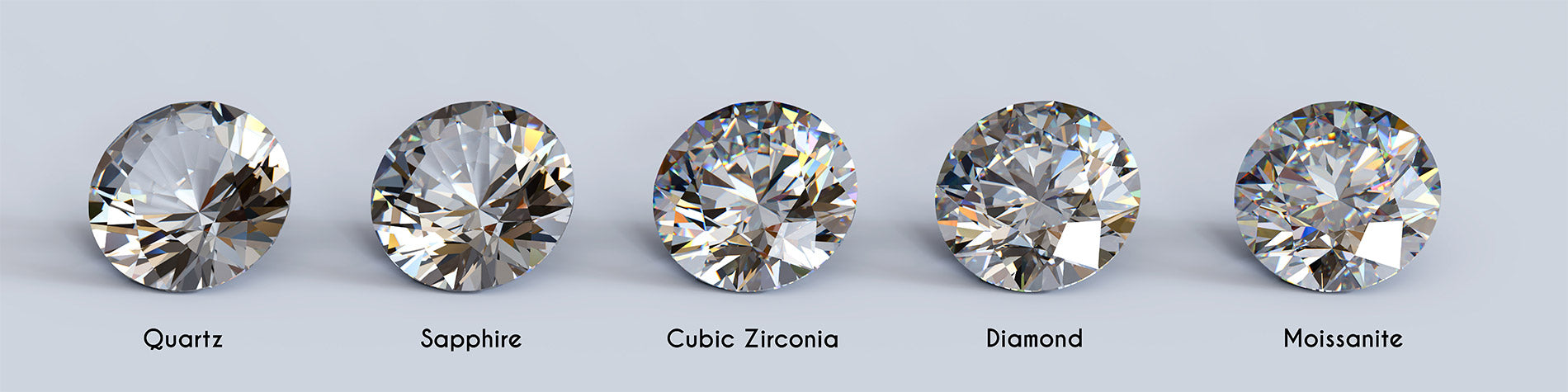
Strategic marketing efforts emphasize certifications and quality verification to build trust, directing customers to reliable guidance on diamond certification meaning, helping buyers understand grading systems and value propositions.