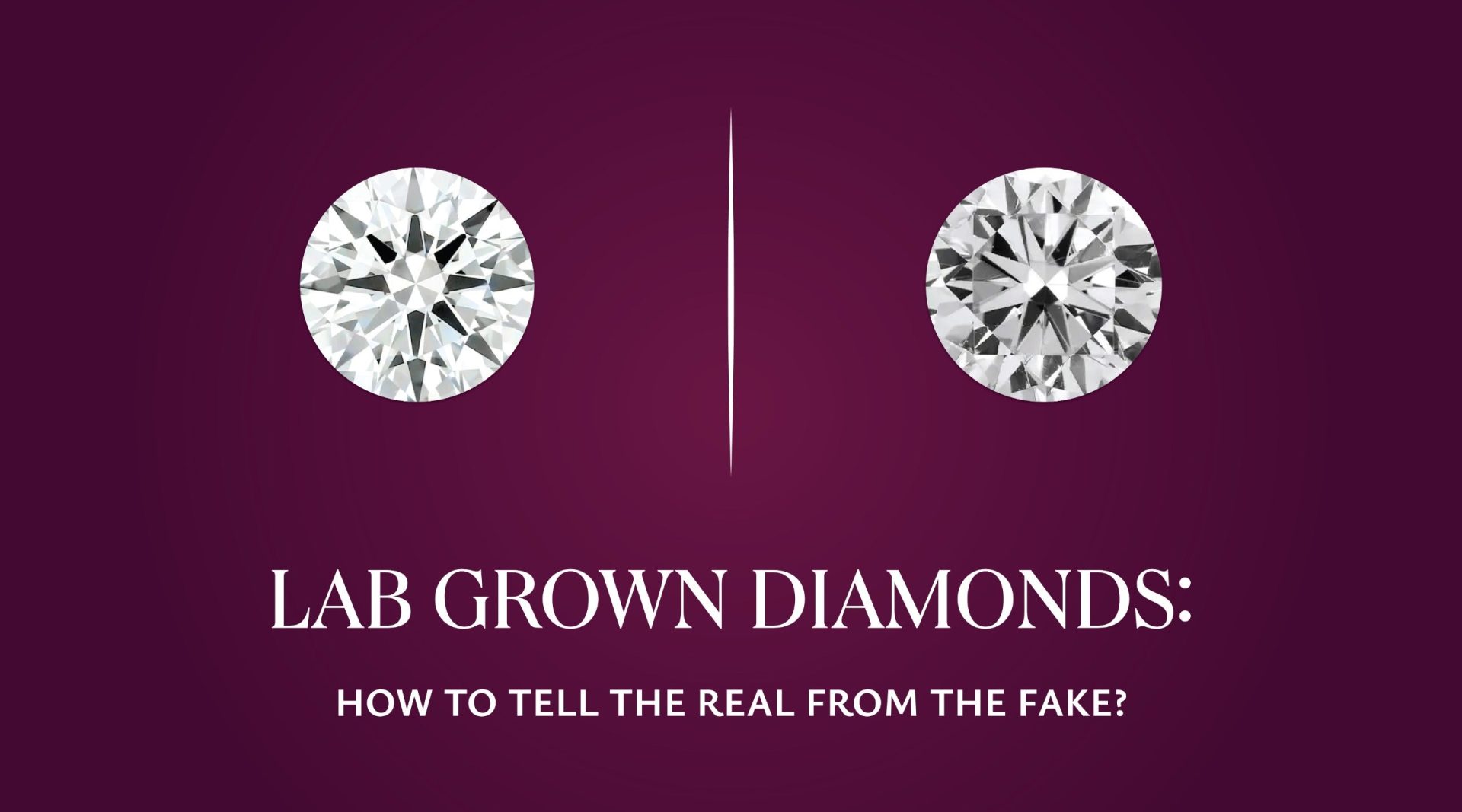
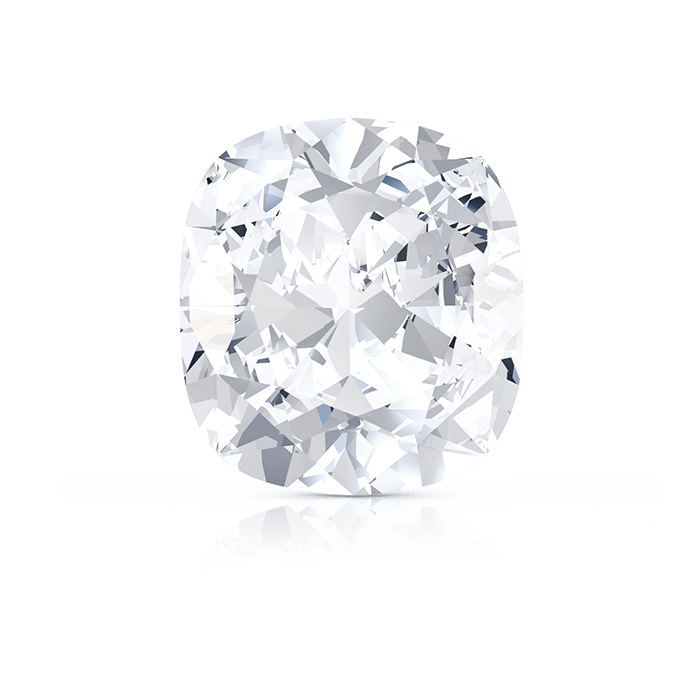
The journey from a rough stone to a sparkling diamond is a testament to human ingenuity and precision engineering. Initially, diamonds extracted from the earth lack the brilliance and fire that make them so sought after. It is through a meticulously planned and executed process of cutting and polishing that these inert crystals transform into radiant gemstones that captivate the world. This transformation hinges upon a series of technical steps designed to maximize the diamond’s quality and value, balancing yield against aesthetic perfection. In 2025, advancements in technology alongside traditional craftsmanship continue to shape the diamond industry, ensuring that each stone’s unique characteristics are optimally revealed. The complexities of this process demand not only mechanical precision but also expertise in assessment, planning, and finishing, underscoring why every facet cut profoundly influences the gemstone’s final appeal and market worth.
In brief: The diamond cutting and polishing process involves rigorous planning using advanced 3D modeling software; precise cleaving or sawing to segment the rough stone; bruting to form the diamond’s basic shape; detailed polishing to create facets that generate brilliance; and stringent inspection to guarantee quality. The final grading certified by recognized laboratories secures buyer confidence. These stages are critical in elevating a diamond from a raw crystal to a coveted symbol of luxury and endurance.
Optimizing Value Through Strategic Diamond Planning and Marking
The foundational phase of diamond crafting centers on comprehensive planning. Using state-of-the-art equipment like the Sarine DiaScan, cutters capture detailed metrics of the rough diamond’s size, shape, and internal inclusions. This data facilitates the generation of a precise 3D model transferred into software such as Sarine DiaMension, where algorithms propose optimal cutting strategies designed to maximize yield and minimize waste. Marking the diamond with ink follows, delineating where the stone will be divided or shaped. At this stage, expert cutters face critical decisions that prioritize quality over size, often opting to reduce carat weight to produce superior clarity and brilliance. These informed choices underpin why the diamond’s final cut significantly affects its aesthetic appeal and market value, reinforcing the importance of skilled craftsmanship integrated with cutting-edge technology.
Segmenting the Rough: Cleaving and Bruting Techniques
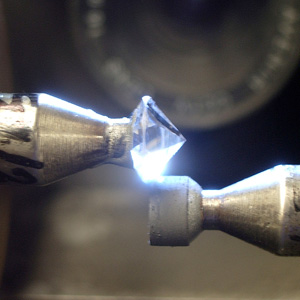
Diamonds, composed of the hardest known natural material, require equally robust methods for segmentation and shaping. Cleaving, or precise sawing, involves splitting the rough diamond into manageable sections aligned with the planning strategy. While mechanical saws equipped with diamond-coated blades are standard, high-precision lasers are increasingly employed for complex shapes or delicate cleaves, offering contactless cutting that reduces the risk of damage. Following cleaving, bruting rounds the diamond into the preliminary shape—commonly a circle for round brilliants—by grinding it against another diamond. This dual-action spinning technique ensures an even, rough girdle, laying the groundwork for meticulous facet cutting. The robustness of these processes underscores the significance of maintaining structural integrity throughout shaping, crucial for the gem’s subsequent brilliance and durability.
Facet Precision: Polishing Steps That Define Brilliance and Fire
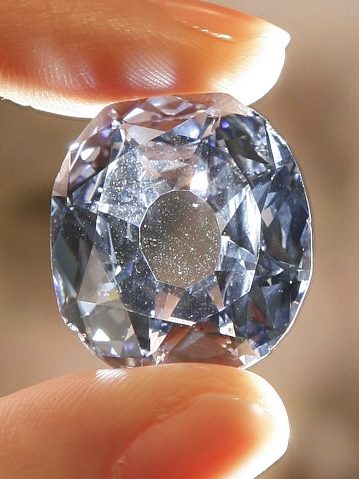
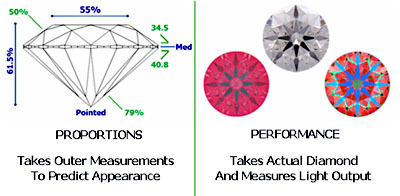
The polishing phase is paramount to unlocking the diamond’s visual potential. It consists of two primary stages: blocking and brillianteering. Initially, blocking introduces the main facets—the pavilion mains, crowns, culet, and the table facet—which serve as a geometric framework. This structured approach guides the more intricate brillianteering phase, where numerous smaller facets are refined to enhance light reflection and dispersion. An average round brilliant diamond typically receives 58 carefully calculated facets, each contributing uniquely to the gem’s fire, scintillation, and overall brilliance. These polishing steps demand advanced machinery like fast-spinning polishing wheels paired with diamond paste and the cutter’s acute attention, resulting in a gemstone that can dazzle under varied lighting conditions.
Ensuring Quality: Inspection and Grading for Market Readiness
After polishing, diamonds undergo exhaustive inspection to validate the craftsmanship quality and adherence to the prescribed specifications. Inspectors look for symmetry precision, polish quality, and absence of blemishes or structural weaknesses. Should deficiencies be detected, re-polishing may be required to meet rigorous standards. Upon passing inspection, diamonds are sent to accredited gemological laboratories such as the AGS or GIA for grading. This independent evaluation objectively assesses the diamond’s cut, color, clarity, and carat weight, providing buyers with trusted certifications that authenticate value and authenticity. Buyers are advised to prioritize diamonds with such certification and avoid unverified stones, a point highlighted in spotting diamond scams. The final grading not only ensures market transparency but also secures consumer confidence in the rarity and quality of the investment.
Cutting Innovations and Market Evolution in 2025
In recent years, the diamond industry has witnessed a fusion of traditional craftsmanship with technological advancement. Trends in diamond cutting now leverage computer-aided design to explore innovative shapes beyond classic rounds, enhancing both aesthetic appeal and market demand. The advent of sophisticated polishing machinery improves precision, reduces human error, and shortens production timelines. Concurrently, consumer preferences have evolved, influenced by environmental concerns leading to the rise of lab-grown alternatives, a topic extensively discussed in natural vs lab-grown diamonds. These innovations affect supply chains, cutting strategies, and ultimately, the jewelry market. Knowledge of these changes equips industry professionals and consumers alike to navigate choices in diamond selection and appreciate the complexities behind each sparkling gem.
Choosing a Diamond Partner: Trusted Retailers and Quality Assurance
Finding a reputable diamond dealer is crucial to securing quality stones. Notable retailers such as Whiteflash and Brilliant Earth offer extensive loose diamond collections accompanied by detailed Sarine reports, providing transparency and fulfillment confidence. Detailed guidance on diamond cuts and best shapes can help consumers make informed decisions, as elaborated in diamond cuts and best shapes. Additionally, understanding the distinction between diamonds and other gemstones through resources like diamonds versus gemstones enriches buyer knowledge. With the global market’s increasing complexity, turning to well-reviewed and certified vendors is a safeguard against counterfeit or substandard gems, an issue that remains a concern despite advanced grading controls.