
Diamond jewelry captures elegance and sentiment in every sparkle, yet maintaining its pristine condition requires more than admiration. Proper storage is vital to preserve the brilliance and avoid costly damage caused by scratches, tarnishing, or lost stones. Many owners unknowingly risk compromising their treasured pieces by storing them improperly, resulting in diminished luster or structural wear. Understanding meticulous storage techniques tailored for diamonds ensures these symbolic assets retain their value and beauty over time. From choosing the right container to environmental considerations, the strategies outlined here reveal the expert methods laboratory-tested and jewelers-approved in 2025 to safeguard your collection effectively.
In brief: Avoid storing diamond jewelry loosely together to prevent scratching. Use soft-lined compartments or pouches for individual pieces. Keep jewelry dry and out of direct sunlight to prevent tarnishing and color fading. Regular cleaning before storage removes oils and dirt that harm settings. Invest in secure safes or lockboxes for valuable and sentimental items.
Essential Reasons for Proper Diamond Jewelry Storage
Even though diamonds are renowned as one of the hardest natural substances, their settings and accompanying metals are vulnerable to damage. When diamond pieces contact each other or softer gemstones, microscopic scratches accumulate, dulling their radiance. Jewelry chains may tangle or stress links, increasing the risk of breakage and lost stones. Moreover, environmental factors such as humidity catalyze tarnishing of metals like gold and silver, obscuring their original shine and weakening structural integrity. Proper storage is an active form of maintenance that prolongs diamond jewelry’s aesthetic appeal and market value. In a market where investment in diamonds is growing, preserving these assets through specialized storage techniques becomes paramount.
Optimal Materials and Designs for Jewelry Boxes
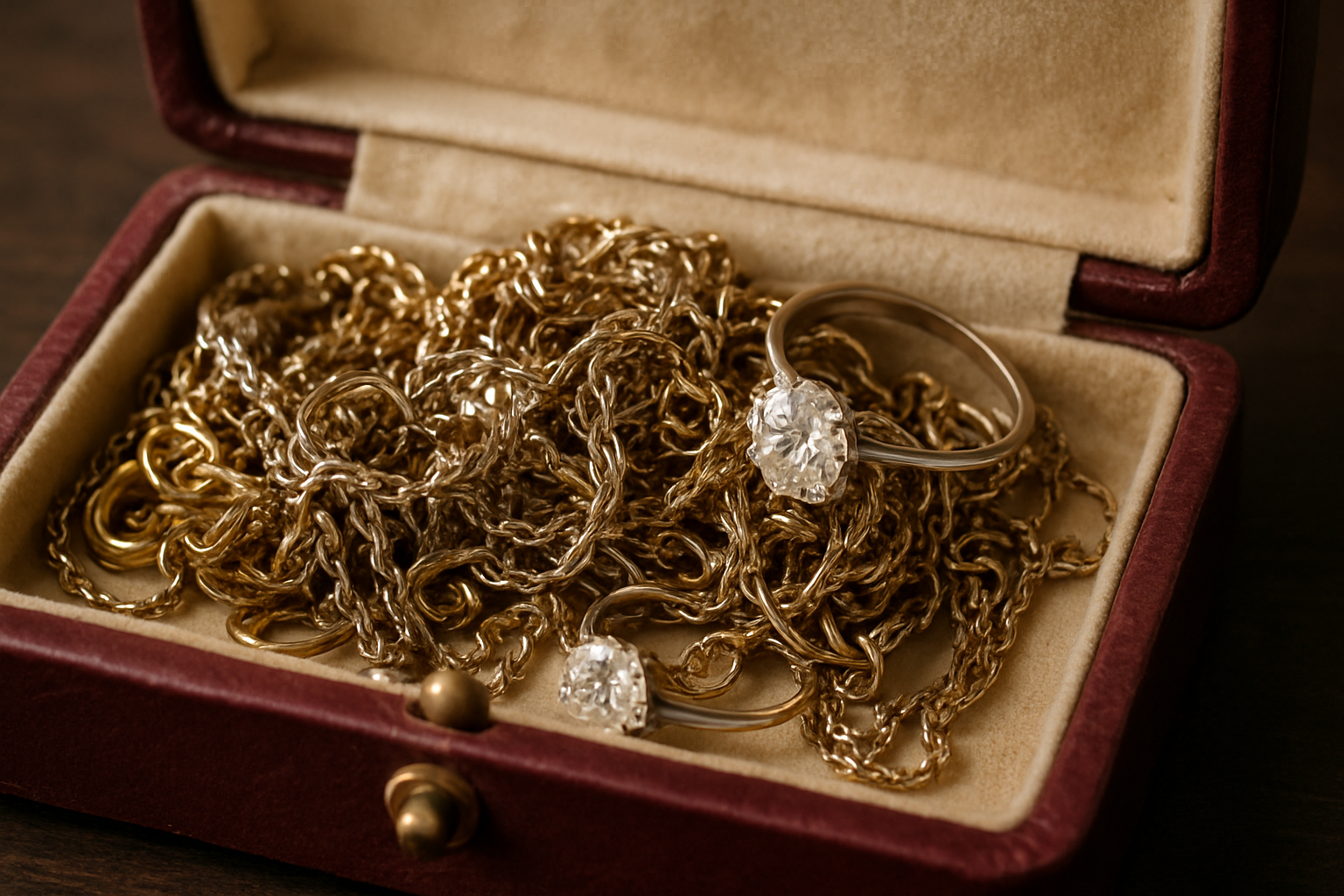
Choosing a jewelry box lined with velvet or felt minimizes friction between pieces, preventing scratches on diamond facets and metal polished surfaces. Compartments or dividers within the box ensure pieces remain isolated, allowing each to preserve its individual beauty. Jewelry boxes featuring separate slots for rings, earrings, necklaces, and bracelets optimize protection by accommodating varied shapes and reducing entanglement risks. Additionally, embedding anti-tarnish strips inside the compartments helps counteract oxidation, particularly in silver and white gold pieces. These measures are practical applications of long-standing jeweler recommendations now supported by advanced materials research. For travelers safeguarding their valuables, specialized rolls and soft pouches designed with zipped sections prevent abrasion and accidental losses, ensuring secure transit.
Environmental Controls: Humidity and Light Management
Exposure to moisture initiates metal oxidation, leading to tarnish that obscures the bright finish of gold and silver settings. Storing diamond jewelry away from bathrooms or windows dramatically reduces underlying damage caused by fluctuating humidity. In climates with persistently high moisture, integrating silica gel packets in storage containers absorbs excess water vapor, a simple yet effective safeguard. Similarly, direct sunlight can alter gemstone color hues and degrade metal luster over time. A location with stable, cool temperature and indirect light preserves both the brilliance of the diamond and the tone of its setting for future generations to appreciate. Jewelry stored in a secluded drawer or dedicated safe maintains atmospheric consistency conducive to longevity.

Best Practices for Maintaining Diamond Jewelry During Storage
Cleaning diamond jewelry immediately prior to storage removes residues like sweat and oils, which if left unattended, degrade metal and loosen settings. Employ a gentle brush and mild detergent solution, thoroughly rinsed and dried with a soft lint-free cloth. Regular inspection of jewelry detects early signs of loosening stones or surface grime accumulation, prompting timely professional servicing—a preventative approach that curtails costly repairs. It is inadvisable to use plastic bags for storage, as they trap moisture and generate static friction leading to minute abrasions.
For high-value diamond pieces, a supplementary layer of security through insurance and appraisals offers financial protection alongside physical safeguards. Moreover, owners might explore expert jewelry care tips to expand their maintenance knowledge, reinforcing their commitment to jewelry preservation.
Smart Arrangements to Avoid Common Storage Pitfalls
Due to the hardness of diamonds, these stones can inadvertently damage softer gems or metals within the same compartment. Separate each item or at least isolate diamonds from other gemstones using individual pouches or cushioned boxes. When storing matching sets, maintain components together while ensuring each element is wrapped or protected independently. Avoid mixing metals in storage to prevent galvanic corrosion, a chemical reaction between different metals that can lead to accelerated degradation.
Finally, traveling with diamond jewelry requires specialized care; never place pieces loosely in luggage or handbags where they risk collision or loss. Choose specifically designed, soft-lined travel cases with individual slots or zipped sections to secure valuables properly during transit. Such precautions are essential to maintain the integrity and sentimental value of your treasured collection.
For those interested in the symbolic meaning and perfect gifting ideas of diamond gemstones, explore detailed insights on selecting the ideal diamond jewelry. Additionally, pairing diamond pieces with outfits enhances style and longevity, with guides available on matching diamond jewelry to your attire.