Understanding the resale value of diamonds requires a deep dive into the complex relationship between a diamond’s grading and its market worth. In 2025, the diamond industry continues to prioritize certification as a crucial element that separates a mere gemstone from a valuable asset. Whether you’re selling a cherished engagement ring or evaluating inherited jewelry, knowing how diamond grading influences resale value is vital. The link between the detailed characteristics documented by gemstone labs and the buyer’s confidence showcases the unpredictable nature of diamond pricing and underscores the importance of transparent assessment standards.
In brief: Certified diamonds command higher resale values thanks to verified quality. Leading labs like GIA and IGI set standards that all buyers trust, which significantly improves a stone’s marketability. The notorious volatility of diamond prices means resale value often drops to 25%-50% of the original retail price, with uncertified stones experiencing steeper losses. Understanding the nuances of certification, grading, and buyer perceptions is key for sellers hoping to optimize their returns in a fluctuating market.
Impact of Diamond Certification on Resale Value
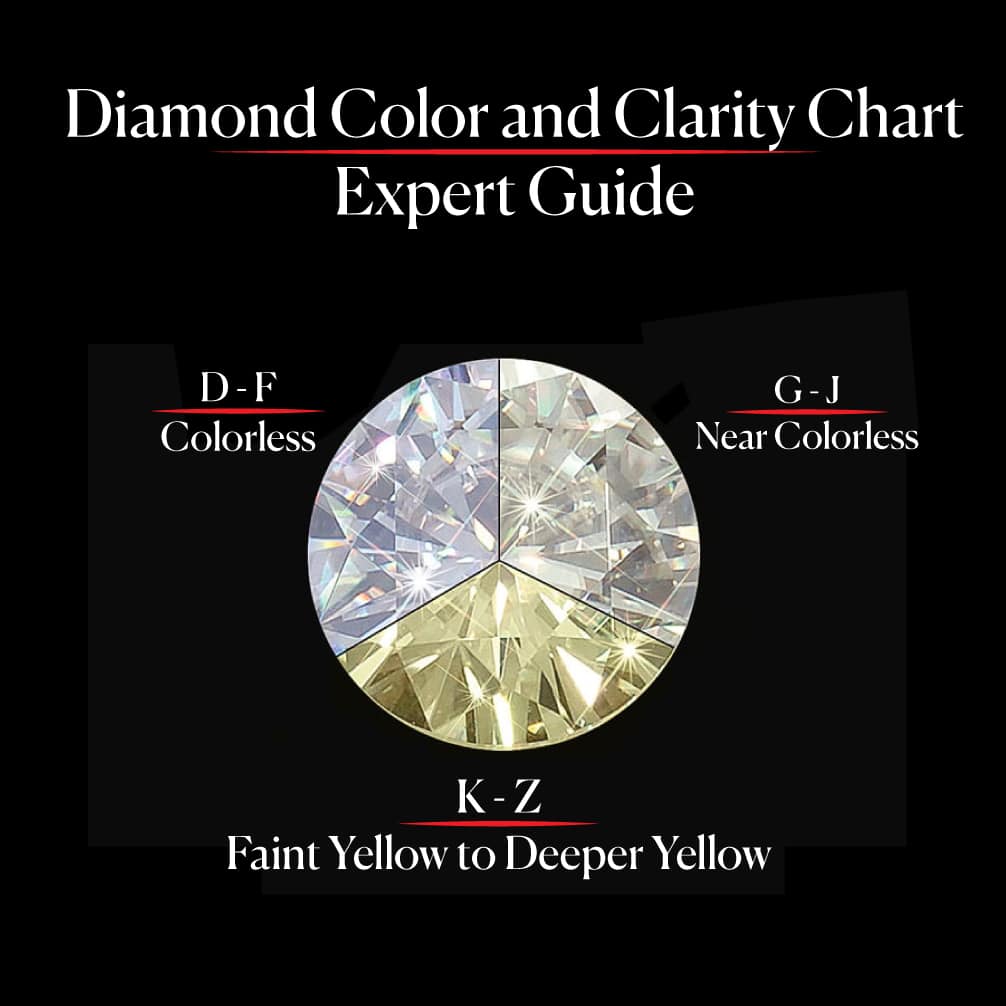
Diamond certification is more than paperwork—it’s a guarantee of authenticity and quality that shapes buyer trust. A diamond grading report from labs such as the Gemological Institute of America (GIA) or the International Gemological Institute (IGI) documents the 4Cs: carat weight, color, clarity, and cut. These components feed directly into how the stone is valued on the resale market. For instance, a diamond with GIA certification often commands a higher price due to the lab’s rigorous evaluation processes. Certified diamonds provide transparency and mitigate buyer risk, making them easier to sell while securing favorable offers.
Why Trustworthy Certification Translates into Higher Resale Offers
Buyers seeking to resell a diamond want assurance that the gemstone they’re acquiring matches its description perfectly. The clarity that certification offers reduces skepticism and boosts purchase confidence. Diamonds equipped with certificates attract higher bids because potential buyers have a verified, unbiased evaluation of the gem’s characteristics. A diamond’s marketability soars when its grading comes from a reputable and transparent lab, positioning it favorably against uncertified counterparts which often face steep depreciation.
Comparing Certification Standards: GIA vs. IGI
The GIA is often recognized as the gold standard for diamond grading worldwide. Its strict, consistent standards hold significant sway over resale values, with GIA-certified diamonds maintaining better market credence and liquidity. Conversely, the IGI, while respected, sometimes is viewed as less stringent, resulting in a slightly reduced resale premium. Nevertheless, IGI certifications remain valuable, especially for their detailed grading reports. Sellers should note these nuances when certifying diamonds, as selecting the right lab informs the maximum attainable resale value.
Realistic Expectations for Diamond Resale Pricing
It is important to approach diamond resale with tempered expectations. Diamonds generally lose significant retail value as soon as they leave the store, typically reselling at roughly 25% to 50% of the original purchase price. For example, a GIA-certified diamond ring bought for $4,500 could fetch about $1,850 on resale, a return of only 41% of its retail cost. Without certification, sellers may find their diamond’s value significantly diminished, forcing them to accept lower offers or endure longer wait times on the market.
Why Diamonds Rarely Appreciate Over Time
The prevailing myth that diamonds are a reliable investment is increasingly challenged by market realities. After a brief price surge post-2008 financial crash, diamond prices have generally declined since 2012. In 2025, the industry recognizes that most diamonds, aside from rare colored or exceptionally unique stones, tend to depreciate or maintain steady value rather than appreciate. This volatility and steady decline highlight the need for buyers and sellers to prioritize certifications to safeguard value and ensure transparent transactions.
Lab-Grown Diamonds and Their Lower Resale Value
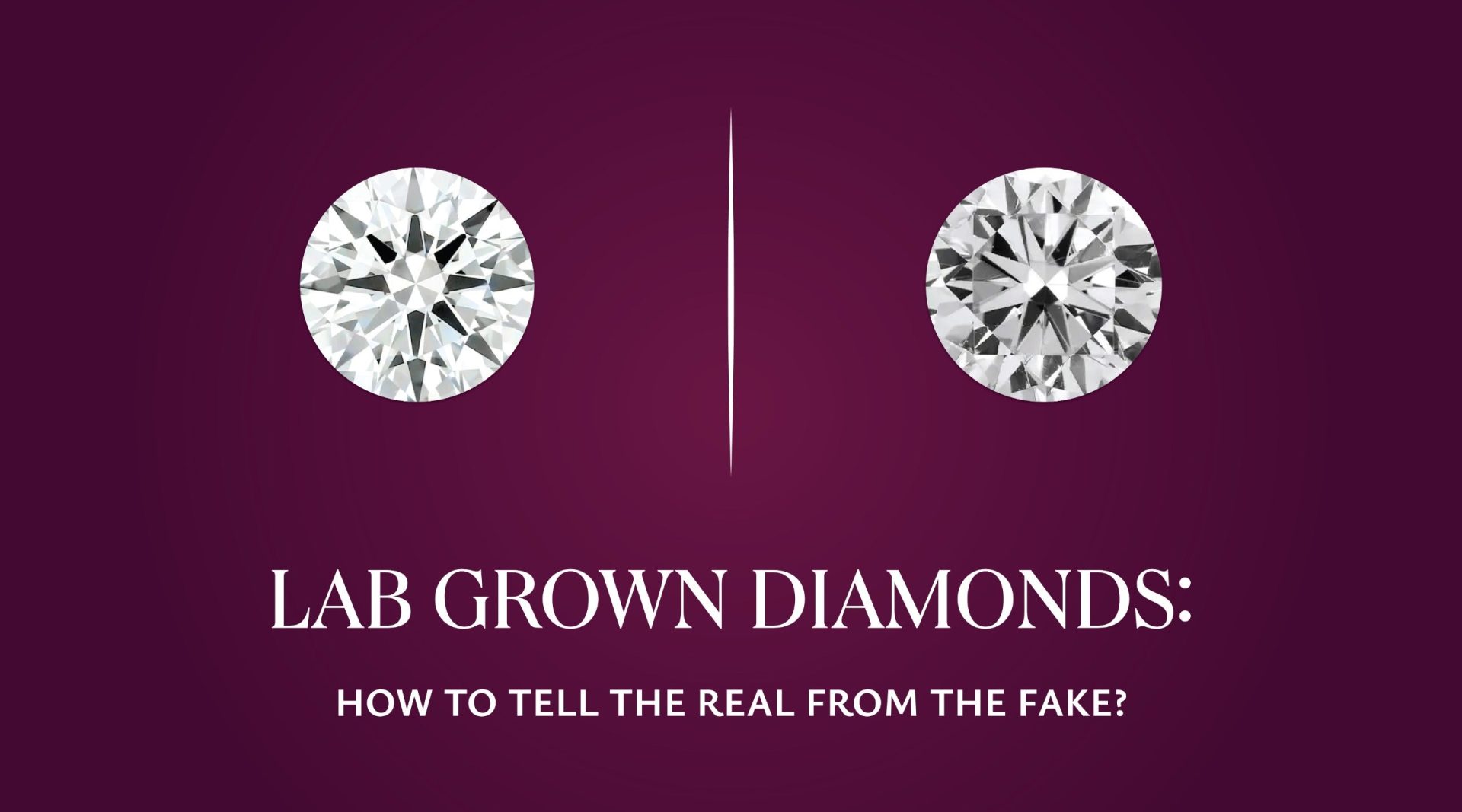
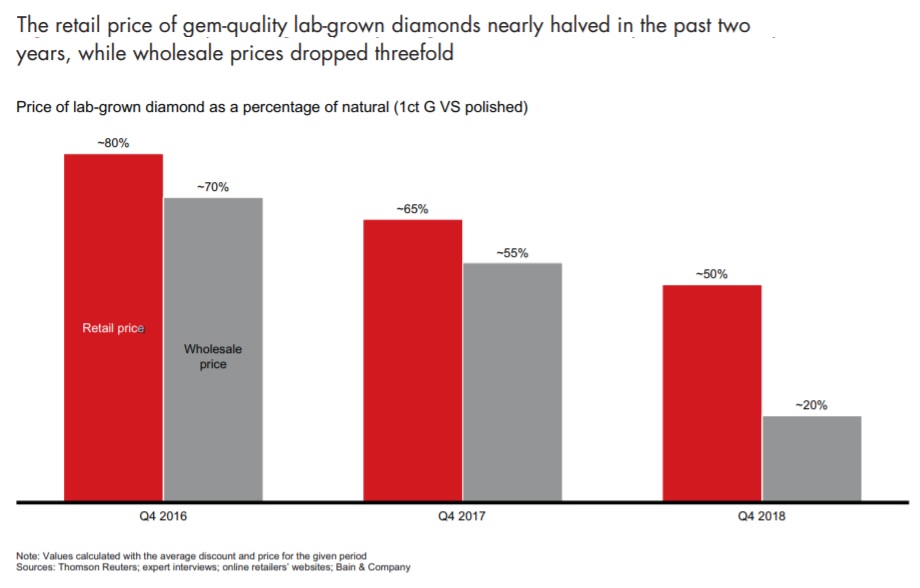
Lab-grown diamonds continue to impact the resale market with typically lower valuations compared to natural stones. Due to advancements in technology and increasing supply, these gems have experienced price reductions in recent years. While they offer an ethical and affordable alternative, sellers should be aware that lab-grown diamonds are less likely to command competitive resale prices. This underscores the importance of acknowledging the origin of diamonds, which can be examined in more detail at resources like natural vs lab-grown diamonds.
Maximizing Resale Value Through Informed Certification Choices
For manufacturers and jewelers, producing diamonds with recognized certifications from labs like GIA and IGI bolsters brand reputation and improves marketability, especially in competitive international markets. Certified diamonds are often preferred by buyers who seek transparency and assurance, fostering higher resale potential. Sellers can further enhance resale value by highlighting exceptional attributes such as superior cut grades or unique features documented in the certification reports, enabling more confident buyer decisions.
For those new to diamond certification, a practical guide on diamond certification meaning and how to read different grading reports is essential. These insights empower sellers and buyers alike to navigate the intricate diamond resale landscape effectively.