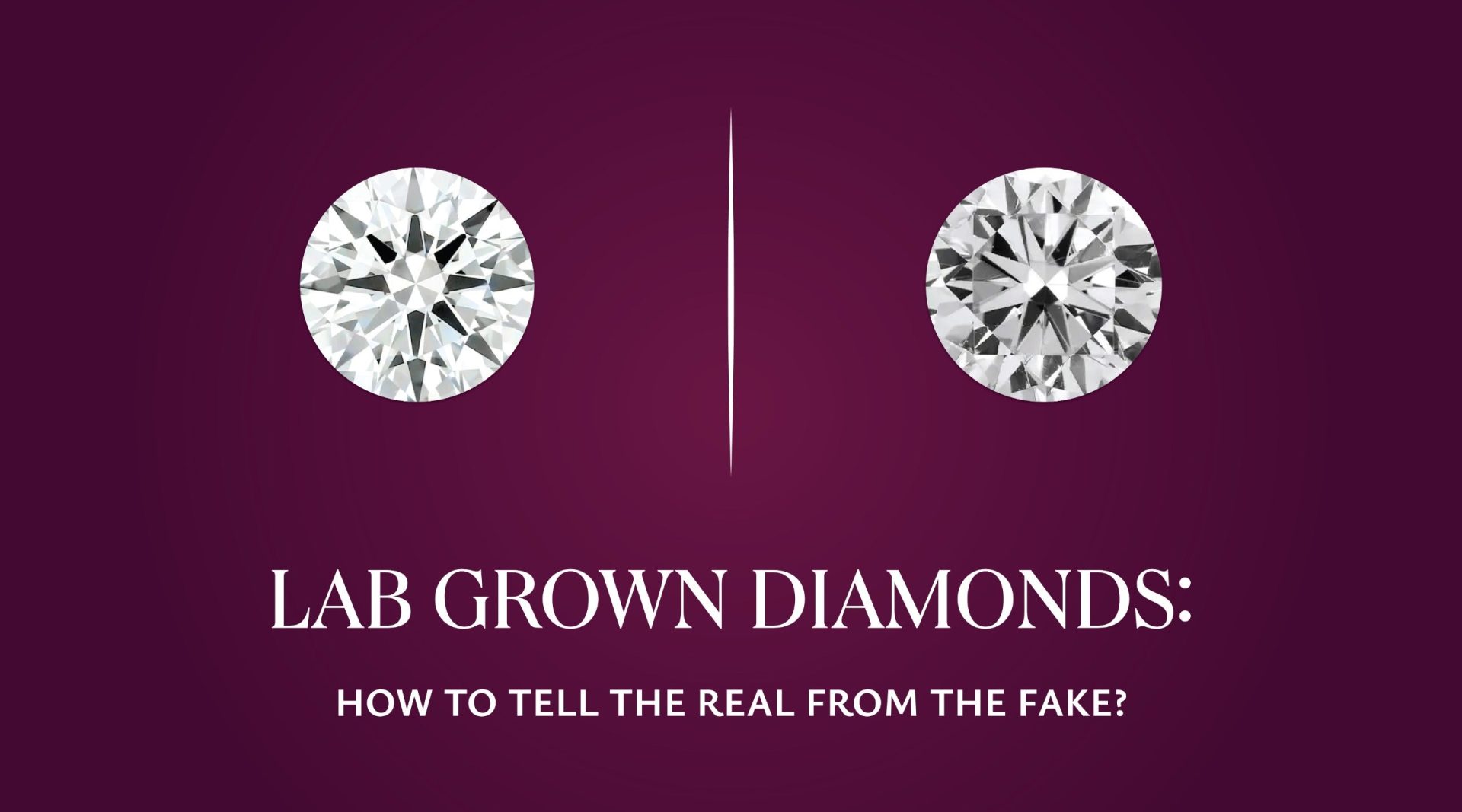
Diamond fluorescence, a phenomenon observed in about one-third of all diamonds, plays a critical role in defining the gem’s aesthetic appeal and market value. When exposed to ultraviolet (UV) light, certain diamonds emit a visible glow, most commonly blue, creating an intriguing visual effect that captivates many buyers and gemologists alike. This natural characteristic originates from trace elements such as nitrogen within the diamond’s crystal lattice, which absorb UV radiation and re-emit light in the visible spectrum.
Understanding this attribute requires a grasp of its scientific basis and its practical implications. The Gemological Institute of America (GIA) classifies diamond fluorescence on a scale from None to Very Strong, illuminating the variations that influence how fluorescence alters a diamond’s appearance. In certain color grades, fluorescence can enhance the perceived color quality by offsetting yellowish hues, whereas in others, it may impart a hazy or milky quality. These nuances directly affect diamond pricing and consumer decisions, presenting both challenges and opportunities for investors and enthusiasts.
En bref :
- Diamond fluorescence occurs when diamonds emit visible light under UV radiation, predominantly in a blue spectrum.
- Approximately 30-35% of diamonds show some level of fluorescence, graded from Faint to Very Strong by the GIA.
- Fluorescence can positively influence lower color grade diamonds by reducing yellow tints, enhancing their apparent whiteness.
- For high-color diamonds, strong fluorescence may cause slight haziness, though this is rare.
- Market value adjustments for fluorescence vary significantly with color grade and intensity, often leading to price discounts but also opportunities in specific segments.
How Diamond Fluorescence Alters Gem Appearance and Market Value
When a diamond emits a glow caused by fluorescence, the visual impact can range from subtle to pronounced depending on its intensity and the surrounding lighting environment. Fluorescence is primarily triggered by nitrogen atoms aggregating into “color centers” within the carbon lattice, absorbing ultraviolet light and re-emitting it as visible radiation. Blue fluorescence accounts for the overwhelming majority, about 95%, with rarer hues like yellow, green, and orange observed less frequently.
In diamonds graded I through M, medium to strong blue fluorescence often neutralizes yellow undertones, enhancing the stone’s apparent color and sometimes increasing desirability. Conversely, in D to H grades, intense fluorescence can occasionally produce a hazy or oily appearance, though such cases are exceptionally infrequent, affecting less than 2% of diamonds exhibiting strong fluorescence.
These factors contribute to wide-ranging market valuations. Diamonds with notable fluorescence often command a 5-15% price reduction compared to comparable non-fluorescent stones, especially prominent in higher color grades. Yet, in the I-M range, fluorescence may enhance value or at least avoid discounts due to its color-correcting effect. Buyers should approach fluorescence with nuanced understanding, leveraging insights from reputable certifications—detailed in diamond grading reports—to make informed investment decisions.
The Influence of Lighting Conditions on Fluorescence Visibility
Fluorescence manifests most vividly under UV-rich lighting conditions such as direct sunlight, fluorescent indoor lighting, and under specialized blacklights. In contrast, incandescent illumination or candlelight highlights the diamond’s intrinsic color without emphasizing fluorescence effects, often making fluorescence imperceptible in everyday wear.
This variability means that a diamond’s fluorescence may significantly alter its appearance depending on where and how it is viewed, influencing buyer perception and preference. Understanding these dynamics is essential, especially when inspecting diamonds in retail settings that may use diverse lighting to either hide or accentuate the fluorescence trait.
Evaluating Fluorescence: Practical Guidance for Diamond Buyers
Fluorescence should be carefully considered during the diamond selection process, to align with both aesthetic expectations and budget constraints. Prospective buyers are advised to: review detailed fluorescence ratings on official grading certificates, such as those issued by GIA; observe their preferred stones under UV lighting to personally assess the fluorescence effect; and seek expert opinions when in doubt.
For high-color diamonds (D-H), avoiding strong or very strong fluorescence tends to safeguard resale value and ensure clear, sparkling clarity unless personal observation confirms no visual detriment. Conversely, for diamonds with lower color grades (I-M), embracing medium to strong blue fluorescence is often advantageous, offering an opportunity to acquire more visually striking stones at favorable prices.
Given the nuances, purchasers should never disregard fluorescence solely based on misconceptions. Authentic diamonds, whether natural or lab-grown, can exhibit fluorescence, as verified through rigorous testing and certification processes that follow industry standards.
Understanding Regional and Cultural Perspectives on Diamond Fluorescence
Market attitudes toward fluorescence vary geographically and culturally. In the United States and Europe, fluorescence tends to be viewed neutrally or with a slight discount reflected in price. In contrast, some Asian markets hold stronger reservations, which often translate into more significant price differentials. Cultural significance also colors perception—while some see fluorescence’s blue glow as a mystical feature, others may regard it as less desirable.
These contrasting viewpoints create unique scenarios for buyers and sellers, where understanding local market preferences plays a pivotal role. Savvy investors align their fluorescence knowledge with regional trends to identify opportunities or avoid pitfalls.
To authenticate the diamond’s natural fluorescence, buyers should utilize comprehensive resources like expert guides on identifying genuine diamonds, ensuring no compromise on quality or authenticity.