Diamonds captivate us with their unmatched beauty and enduring value, yet the myriad of terms used in describing and evaluating these gems can often seem impenetrable. From the precise angles defining a diamond’s cut to the subtle internal features influencing its clarity, understanding diamond terminology is essential for buyers, jewelers, and enthusiasts alike. In 2025, as the diamond industry continues to evolve technologically and aesthetically, mastering this specialized vocabulary aids in making informed decisions whether selecting a solitaire engagement ring or assessing a rare fancy color diamond.
This comprehensive glossary synthesizes crucial terms central to the world of diamonds, demystifying concepts such as brilliance — the intensity of white light reflected by the stone’s crown — and inclusions, which are internal characteristics inherent to natural diamonds. It also highlights the important metric of carat weight, a precise unit reflecting diamond mass rather than size, critical for valuation. Beyond mere definitions, the glossary links technical attributes like symmetry and polish to the overall radiance and durability of a diamond, providing a clear pathway to understanding what makes each gemstone unique. Knowledge of these terms not only empowers consumers but also enhances appreciation for these marvels of natural formation and expert craftsmanship.
- Facets are the polished, flat surfaces that define a diamond’s cut and contribute profoundly to its scintillation.
- Inclusions and blemishes are internal and external imperfections respectively, influencing clarity grades and visual appeal.
- Four Cs — Cut, Color, Clarity, and Carat weight — remain the cornerstone criteria for diamond grading and selection.
- Fancy cuts like Asscher, Marquis, and Cushion offer artistic alternatives to traditional round brilliants, each with distinct characteristics.
- Fluorescence and other optical phenomena affect a diamond’s appearance under various lighting, necessitating careful consideration during purchase.
Fundamental Diamond Characteristics Explored Through Common Terminology
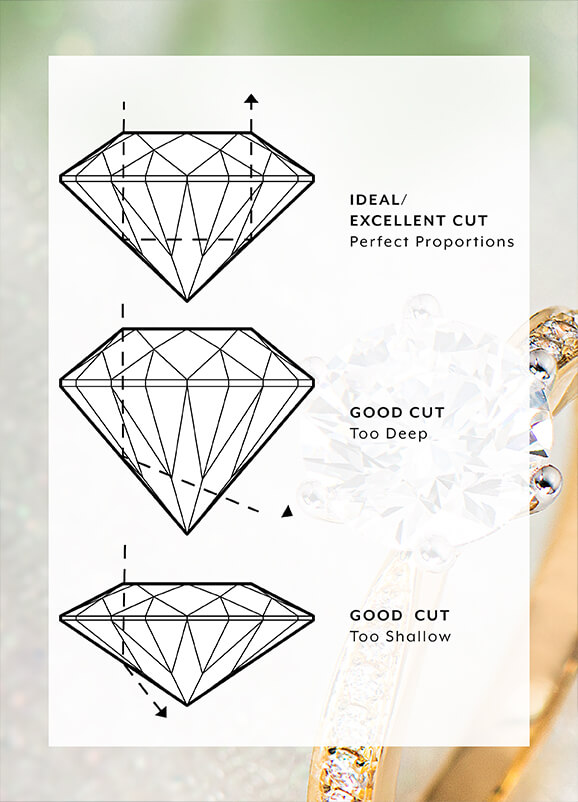
Diamonds are defined by four primary attributes known as the Four Cs — Carat, Cut, Color, and Clarity — each contributing distinctly to the value and appearance of the gemstone. For example, carat quantifies the weight of the diamond, where one carat equals 0.2 grams, but does not necessarily correspond to the physical size seen by the eye. The cut, often misunderstood, refers to the precision of the facets and proportions crafted by the cutter, greatly influencing the stone’s brilliance, fire, and scintillation.
Clarity assesses internal inclusions such as feathers, clouds, and crystals, as well as external blemishes like abrasions or chips, which can impact both durability and aesthetics. Meanwhile, color grading ranges from colorless diamonds (graded D) through faint tints up to visibly saturated hues (graded Z). The relationship between these factors is complex; for instance, a diamond with excellent cut but minor inclusions might outperform a flawless but poorly cut stone in visual brilliance.

Interpreting Inclusions and Blemishes in Diamond Evaluation
Understanding imperfections in diamonds is vital for accurate appraisal and consumer confidence. Inclusions like feathers and needles are internal fractures or slender rod-like impurities that may be invisible to the naked eye or subtly affect transparency and strength. Similarly, blemishes such as scratches, extra facets, or a bearded girdle represent surface-level irregularities.
An inclusion termed a cloud involves a collection of microscopic pinpoint inclusions creating a hazy effect under magnification, while a knot involves a crystal protruding to the diamond’s surface. These characteristics can be plotted on diagrams included in grading reports to illustrate their size, type, and location.
For consumers interested in gemological specifics, consulting resources such as the Diamond & Gemstones Guide provides deeper insight into how these internal and external factors influence overall diamond quality and price.
Diamond Cuts and Settings: Technical Aspects and Visual Impact
The shape and cut of a diamond significantly influence how it interacts with light. Popular cuts include the brilliant cut, known for its round shape and 57 facets optimized for maximum sparkle, and the emerald cut, which features step facets and a rectangular outline emphasizing clarity and luster. Other fancy shapes like the Asscher cut combine square shapes with cut corners, creating a vintage appeal through their step-like facets.
Setting styles affect both the diamond’s security and its aesthetic presentation. For example, a bezel setting encases the diamond in a thin metal rim, offering protection and a modern look, while a channel set style secures multiple diamonds between parallel metal walls without prongs interrupting the line of stones.
Understanding the technical distinctions among cuts and settings can enhance appreciation of how workmanship influences light performance and durability. Reliable guides on diamond cuts and mountings help buyers navigate the complexities inherent in selecting the optimal combination for function and style.
Optical Phenomena: Fire, Brilliance, and Fluorescence
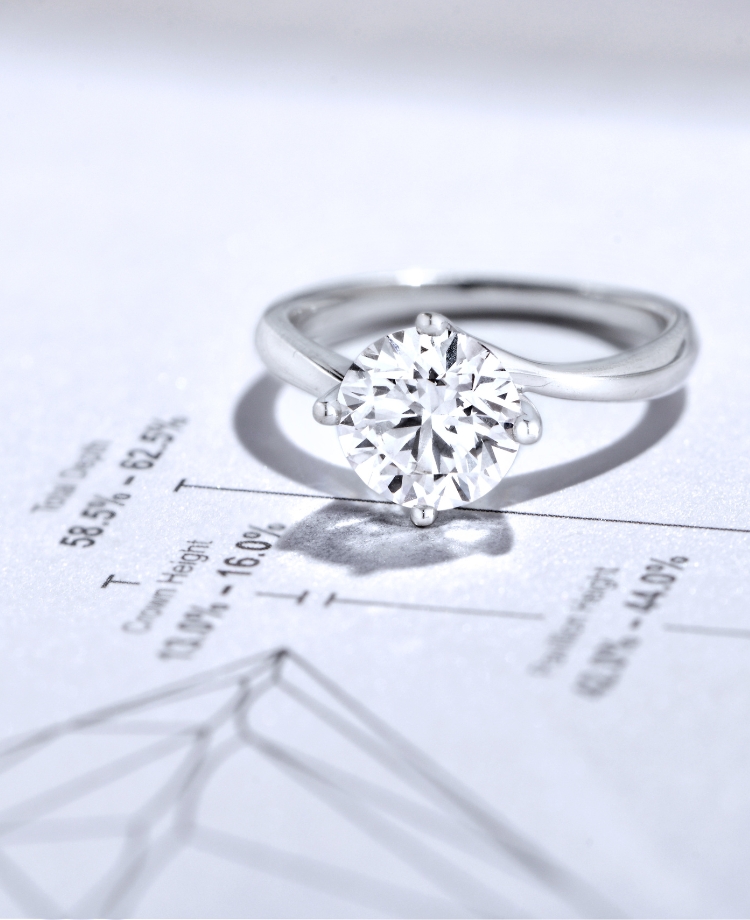
Key optical terms define the sensory experience of viewing diamonds. Brilliance refers to the intensity of white light reflected from the crown, a quality dependent on cut precision and polish. The popular term fire describes the dispersion of white light into spectral colors, resulting in colorful flashes when the diamond or light source moves. Scintillation involves the dynamic sparkle caused by facet reflections as the diamond is rotated.
Some diamonds exhibit fluorescence, emitting visible light (commonly blue) when exposed to ultraviolet or strong sunlight. This trait can subtly affect a diamond’s appearance; for instance, it may impart a glowing effect in certain lighting conditions. While fluorescence is generally neither a positive nor a negative in isolation, understanding its impact is essential for informed acquisition decisions.
In 2025, advanced gemological technologies allow for more precise measurement and visualization of these effects, helping consumers appreciate the nuanced differences among stones exhibiting similar Four C grades.
For further exploration of diamond light performance, the resource Diamond & Gemstones Guide offers extensive expert explanations.