Diamonds have captivated humanity for millennia, embodying a complex tapestry of symbolism rooted in diverse cultures and epochs. From their earliest discovery in India to their revered status today, diamonds are more than mere gemstones; they are emblems of power, protection, and unyielding love. Historically perceived as talismans against evil and tools of dominance, their symbolism has evolved, mirroring societal transformations and enduring beliefs. Contemporary interpretations now celebrate diamonds as eternal tokens of commitment, anchored in their unparalleled hardness and brilliance.
In brief:
- Ancient origins: Diamonds first sourced in India, revered as protective talismans.
- Cultural symbolism: Viewed as divine tears or celestial fragments in Greek and Roman traditions.
- Medieval significance: Represented power and wealth, prominently featured in royal regalia.
- Modern evolution: Transitioned to symbols of eternal love, emphasizing unbreakable bonds.
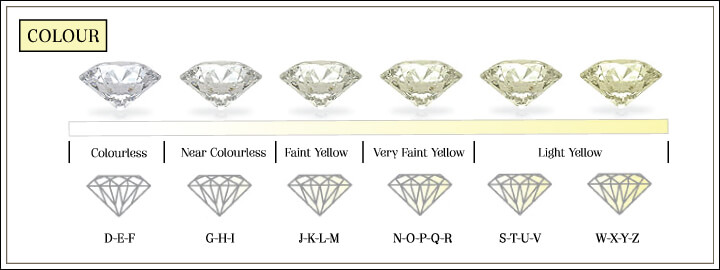
- Color symbolism: Fancy colored diamonds (green, blue, yellow, pink) carry unique meanings tied to fertility, spirituality, prosperity, and romance.
Ancient Foundations: The Origin of Diamond Symbolism in India and Greece
Historical records affirm that India was the cradle of diamond discovery, with deposits identified in alluvial beds over 3,000 years ago. These gemstones were intricately woven into religious artifacts, embodying protection against illness, malevolent spirits, and natural threats. Ancient Hindu mythology revered diamonds as vajra—a symbol of invincible thunderbolt power. This spiritual association underscores the stone’s perceived capacity to safeguard and empower its wearer.
Simultaneously, Ancient Greece imbued diamonds with divine origins, conceiving them as the crystallized tears of gods. This belief conferred both reverence and mystique upon diamonds, intensifying their aura of power. The etymology of “diamond” is traced to the Greek word adamas, meaning “unbreakable,” reflecting their unmatched hardness and durability. Such nomenclature reveals a conceptual foundation combining the physical resilience of diamonds with their metaphysical significance.

Roman Valor and Medieval Majesty: Diamonds as Symbols of Strength and Authority
The Romans recognized the physical resilience of diamonds, integrating them into military use; elite warriors adorned their armor with diamonds to harness the stone’s protective strength. This practical application bolstered the belief that diamonds conferred invincibility on the battlefield, blurring the line between physical and symbolic power.
Throughout the Middle Ages, diamonds transcended mere ornamentation to become potent symbols of sovereignty and prestige. Monarchs embedded diamonds into crowns and scepters, asserting their supremacy and divine right to rule. This era cemented diamonds as tokens of social hierarchy and political legitimacy, with their sparkle representing the radiance of power itself.
Transitioning Symbolism: From Dominance to Eternal Love in Contemporary Culture
The symbolism of diamonds underwent a significant transformation from the Renaissance onward. No longer solely emblems of power or divine protection, diamonds began embodying romantic ideals of commitment and permanence. Modern engagement rings utilize diamonds to signify unbreakable bonds, an evolution from past associations of dominance to mutual fidelity and enduring love.
This romantic symbolism aligns with the gemstone’s physical properties—its unparalleled hardness signifies durability, while its brilliance highlights clarity and transparency in relationships. Such attributes have been popularized and perpetuated in contemporary society, influencing both consumer perception and cultural norms surrounding matrimonial traditions.